Choosing the wrong safety footwear leads to sweaty feet, heavy fatigue, or severe workplace injuries. Understanding the exact difference between S1P and S3 safety shoes ensures workers get the right protection without overpaying or sacrificing daily comfort.
Industrial Safety Footwear Standards and Workplace Demands
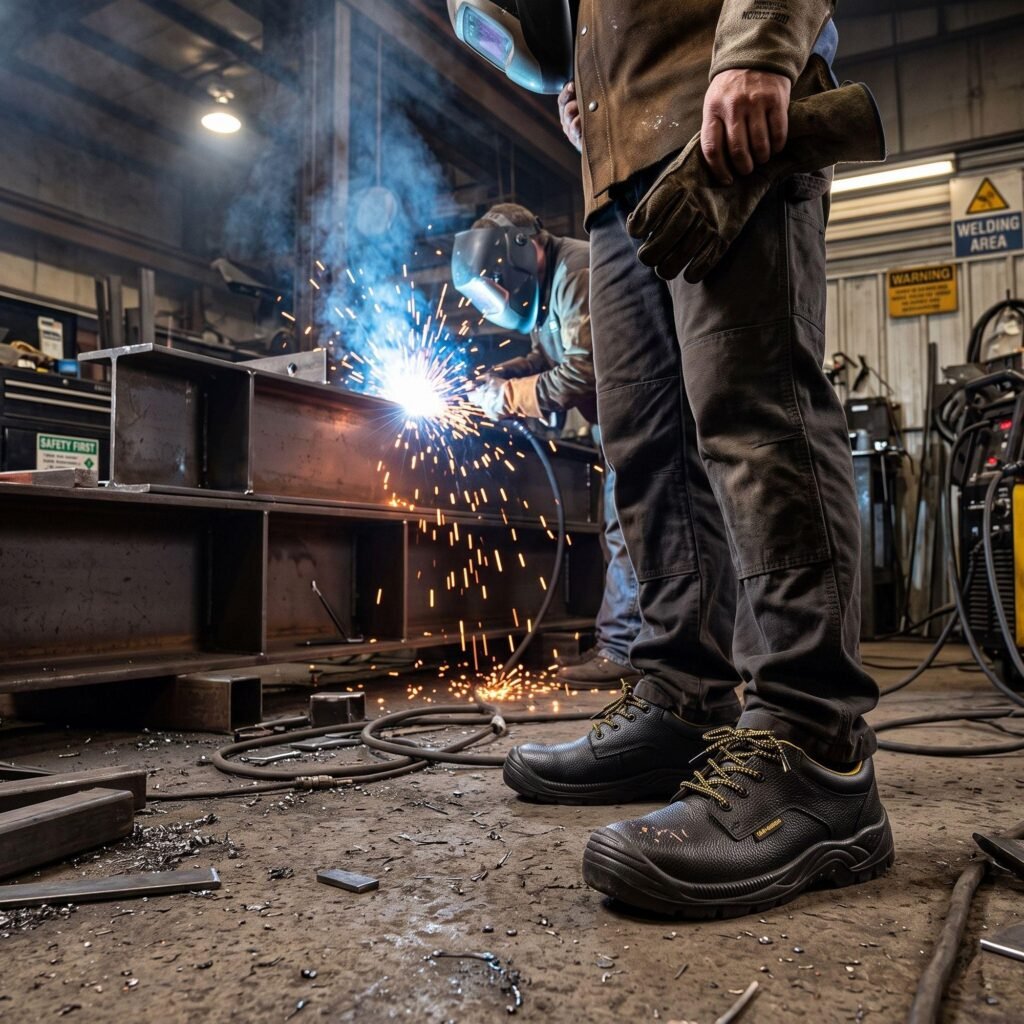
Modern industrial environments demand precise foot protection. Under the rigorous European standard CE EN ISO 20345:2022, safety footwear is strictly categorized to manage specific workplace hazards. Factory floors, construction sites, and logistics centers all carry distinct risk profiles regarding moisture exposure, sharp debris, and heavy impact forces.
Facility managers and procurement officers often face confusion when selecting between the two most utilized classifications: S1P and S3. Both categories provide exceptional baseline defense mechanisms. However, their specific field applications differ drastically based on daily environmental exposure and weather conditions.
Core Specifications and Feature Breakdown
To make a highly informed choice, we must compare the technical specifications directly. S1P and S3 footwear share several critical protective features.
First, both classifications require a reinforced safety toe cap. This hardware component withstands a 200-joule drop impact and 15kN of crushing compression. Second, both integrate antistatic properties (A) and mechanical energy absorption capabilities in the heel area (E). Third, they both feature a penetration-resistant midsole (P) designed to block up to 1100 Newtons of force from sharp ground objects like scattered nails, glass, or scrap metal.
The defining difference between the two lies in the upper material’s water resistance capabilities.
S1P Safety Shoes
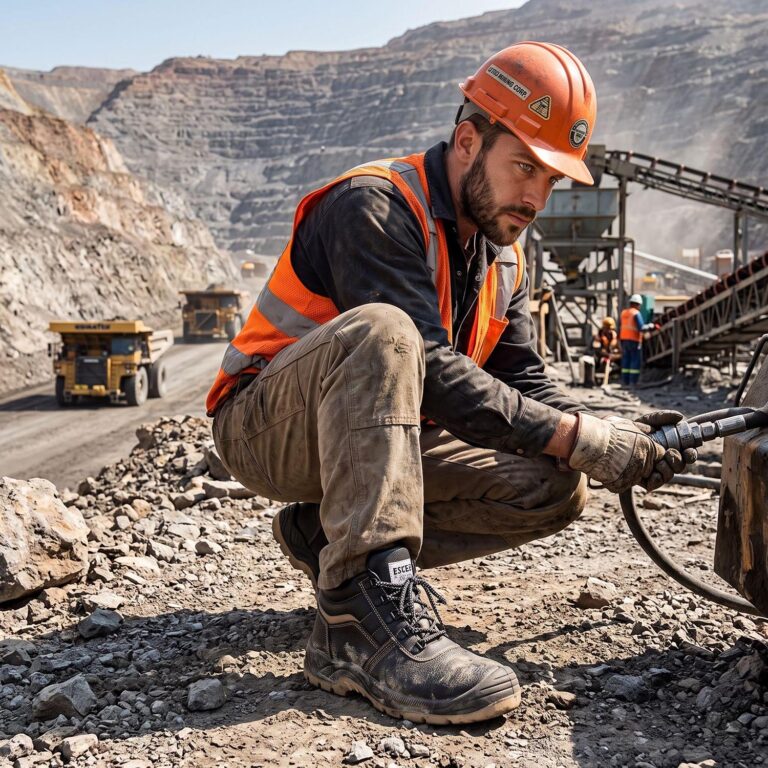
Manufacturers design these exclusively for dry environments. The upper sections rely on highly breathable materials, such as split suede leather or advanced 3D mesh fabrics. These porous materials allow maximum airflow. They keep feet cool during intense, long shifts in hot conditions or indoor settings like automated warehouses and automotive assembly lines. S1P materials offer zero resistance to water penetration.
S3 Safety Shoes
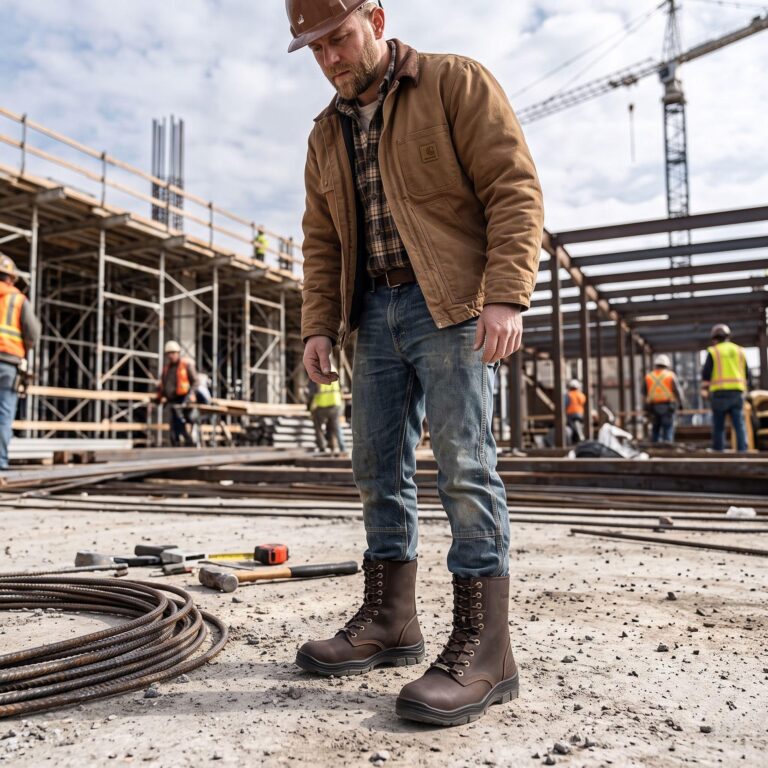
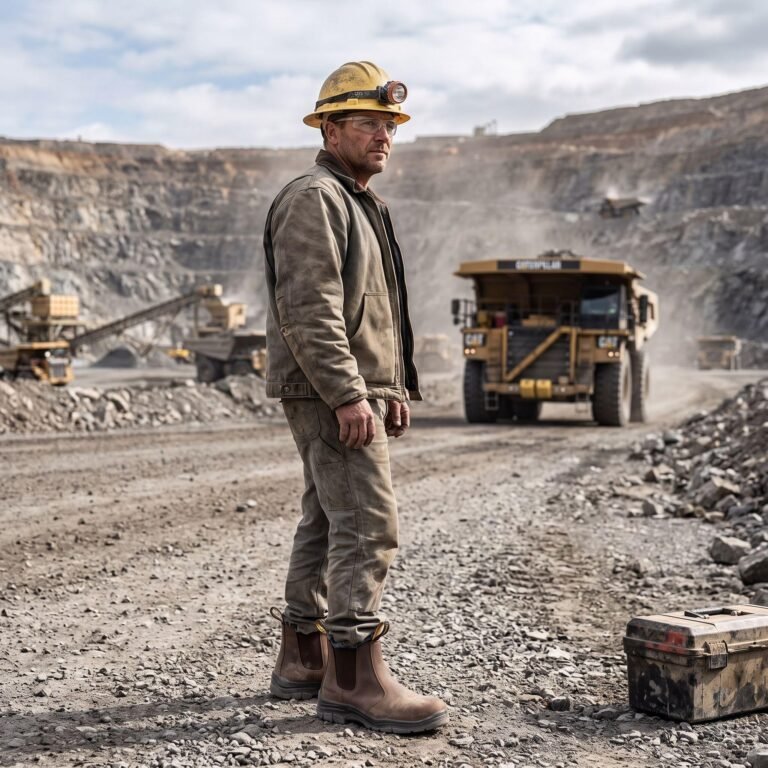
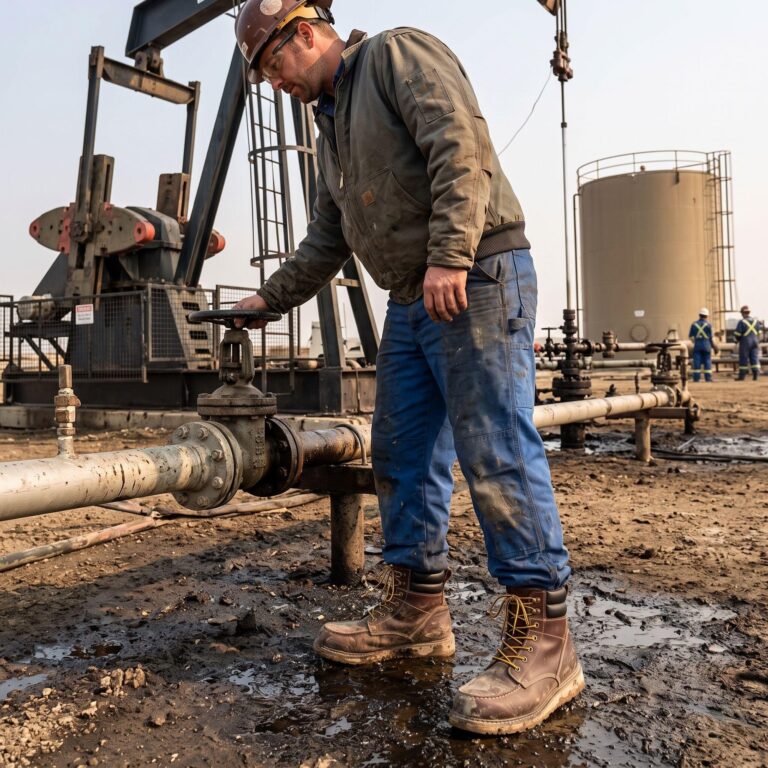
Engineers build these specifically for wet, outdoor, or unpredictable conditions. The upper layers utilize smooth full-grain leather, nubuck, or specialized water-repellent microfiber. Under the EN ISO 20345:2022 testing standard, these materials must prevent water absorption for a minimum of 60 minutes (WPA capability). Additionally, S3 shoes mandate a heavily cleated outsole. This deeply grooved bottom profile provides enhanced traction and grip on muddy, rough, or uneven outdoor terrain.
| Feature | S1P Specification | S3 Specification |
| Toe Cap Protection (200J) | Standard | Standard |
| Puncture Resistance (1100N) | Standard | Standard |
| Heel Energy Absorption | Standard | Standard |
| Upper Material | Breathable Mesh / Suede | Water-Repellent Leather |
| Cleated Outsole | Optional | Mandatory |
| Primary Application | Dry, Indoor, Warm Climates | Wet, Outdoor, Rough Terrain |
Common Misconceptions in Footwear Selection
A frequent myth in industrial procurement is the belief that a higher classification number automatically delivers a better shoe. This is factually incorrect. Purchasing S3 shoes for indoor warehouse workers causes unintended negative consequences. The heavy, water-resistant leathers trap heat, leading to excessive foot sweating, blisters, and premature fatigue. Workers in dry environments benefit far more from the lightweight, breathable nature of S1P mesh alternatives.
Another widespread mistake involves confusing S3 ratings with complete waterproofing. S3 shoes are highly water-repellent and handle light rain or shallow puddles effectively. However, they are not sealed rubber boots. They are not engineered for continuous, total submersion in deep water trenches. Facility managers must match the footwear specification directly to the worker’s exact daily environment to maintain safety compliance and long-term user comfort.
Final Verdict on S1P and S3 Categories
The fundamental difference between S1P and S3 safety shoes is upper material water resistance. Procurement teams should choose S1P safety shoes for dry, indoor environments where maximum breathability remains the top priority. Conversely, select S3 safety shoes for wet, outdoor, or rugged environments requiring robust water-repellent uppers and high-traction cleated outsoles. Both categories meet rigorous CE EN ISO 20345:2022 testing requirements, guaranteeing premium workplace protection when deployed in their intended environments.
Written by Hong Gu Safety Shoes Technical Team, this content is compiled from practical production, long-term field applications, and rigorous testing results.
Shan Dong Hong Gu Shoes Industrial Co., Ltd. is a leading safety footwear manufacturer based in China, specializing in industrial foot protection with over 20 years of manufacturing expertise. Products are fully certified under European standards (CE EN ISO 20345:2022), offering a full range of manufacturing processes including PU/PU Injection, PU/Rubber, Goodyear Welted, and Rubber Cemented constructions.