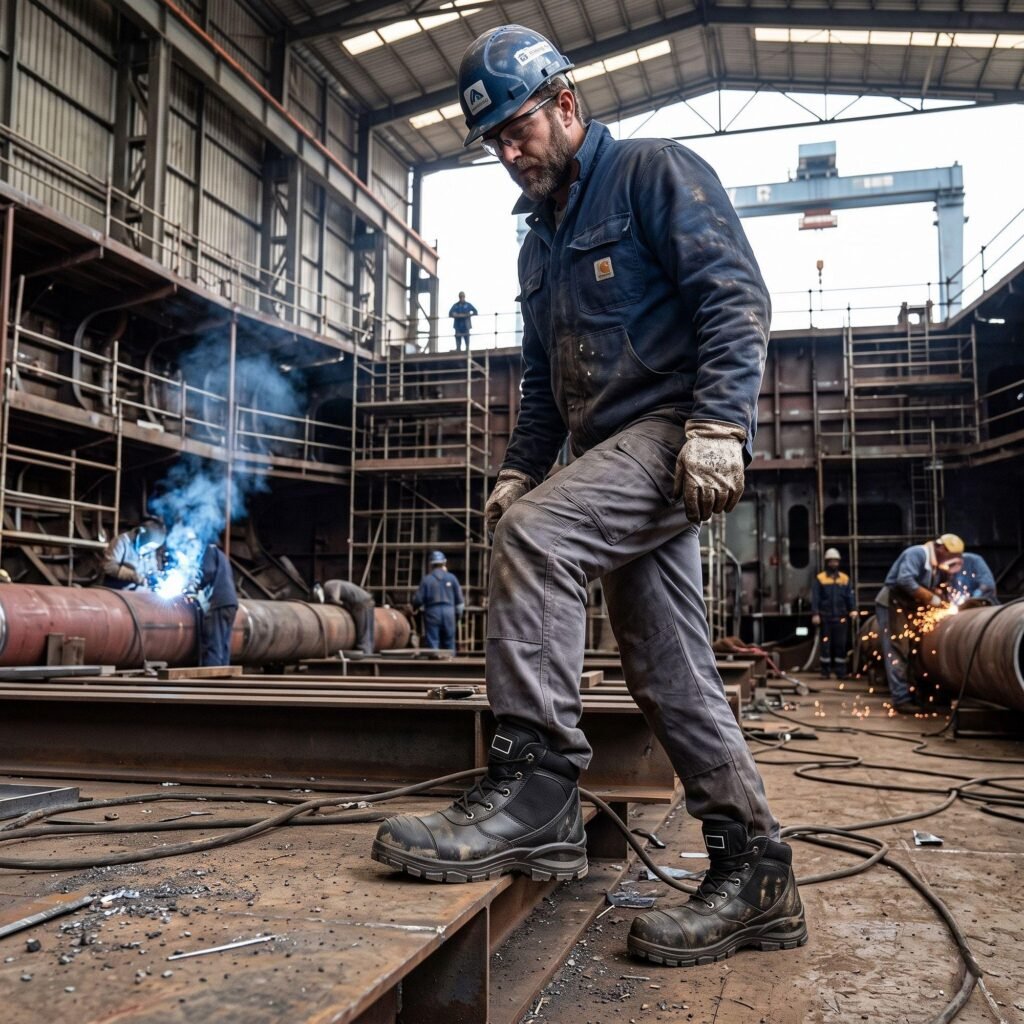
Workplace slips cause severe injuries and costly operational downtime. Choosing the right protective footwear is essential for worker safety. But what exactly does the SRC rating mean for your safety shoes, and how does it protect you on hazardous floors?
The Critical Role of Slip Resistance in Industrial Environments
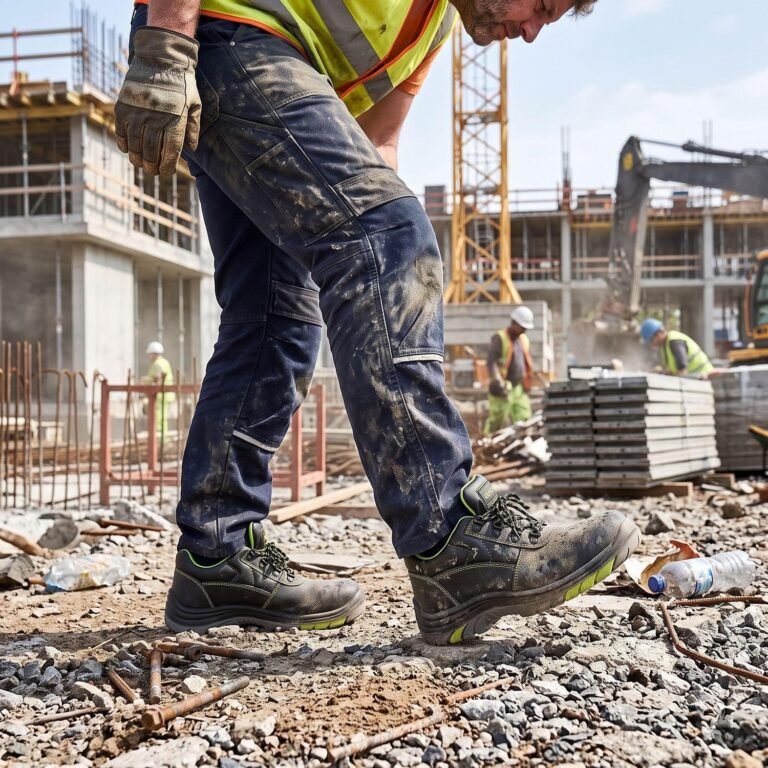
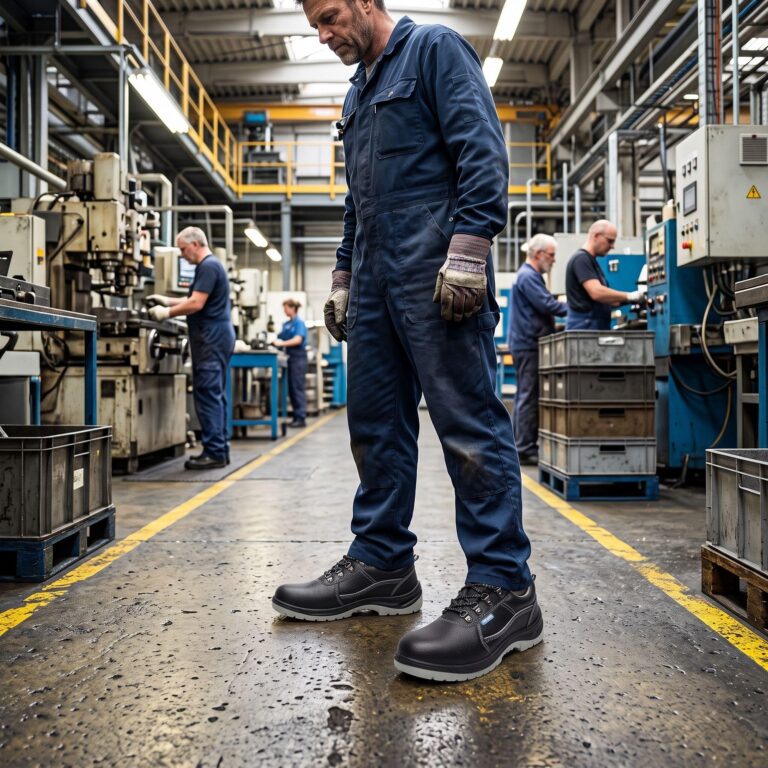
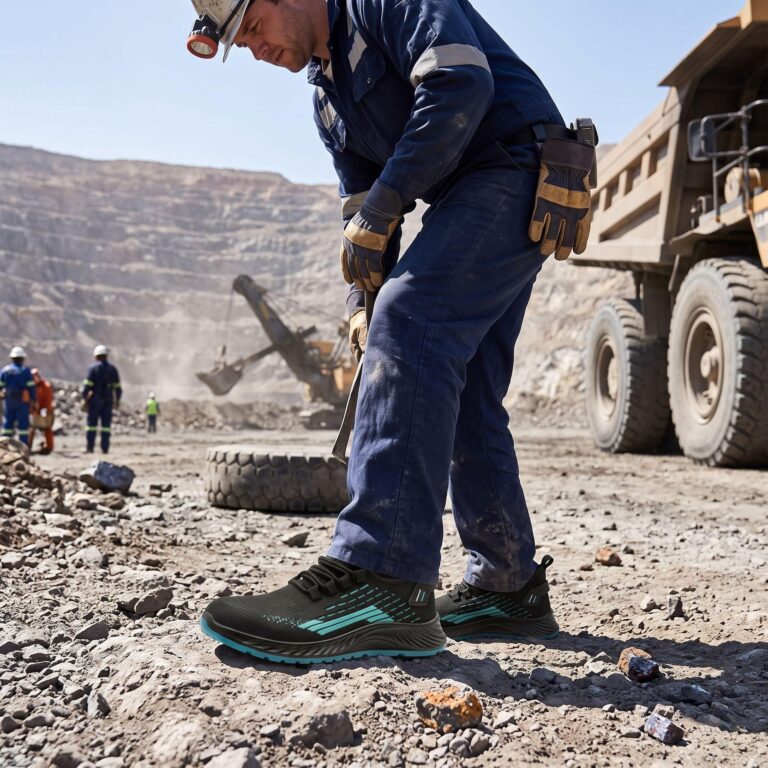
Slips, trips, and falls represent a massive percentage of industrial accidents globally. Workers routinely navigate floors covered in water, machine oils, and chemical spills. Standard footwear completely fails under these conditions. Reliable traction is a strict requirement for industrial safety management.
Safety footwear performance is not left to guesswork. It relies on precise scientific measurement. The European standard CE EN ISO 20345:2022 dictates rigorous testing protocols to evaluate shoe friction. Slip resistance depends on the exact interaction between the shoe outsole, the floor surface, and the liquid contaminant. Measuring this interaction ensures that safety shoes perform predictably in dangerous environments.
Decoding the Standards: SRA, SRB, and SRC Testing Methods
To understand SRC, you must first look at its core components. The slip resistance rating is determined by testing the dynamic coefficient of friction. A mechanical device pushes the shoe across a lubricated surface. It measures both a 7-degree heel strike and a flat forward slide. The 7-degree angle accurately simulates a human walking gait.
| Rating | Testing Surface | Lubricant | Minimum Heel Slip Coefficient | Minimum Flat Slip Coefficient |
| SRA | Ceramic Tile | Sodium Lauryl Sulfate (Soapy Water) | 0.28 | 0.32 |
| SRB | Stainless Steel | Glycerol (Oil) | 0.13 | 0.18 |
| SRC | Passes both SRA and SRB tests | Passes both lubricants | Passes both standards | Passes both standards |
An SRC rating means the footwear successfully passed both the SRA and SRB laboratory tests. It represents the highest level of certified slip resistance in the established EN ISO 20345 standard format.
Achieving these high friction coefficients requires advanced engineering. The sole design must feature wide tread channels to disperse liquids rapidly. This prevents aquaplaning. Material selection is equally important. Premium PU/PU injection and PU/Rubber outsoles provide the optimal balance of flexibility and grip needed to pass both the ceramic tile and steel plate tests.
Common Misconceptions About Anti-Slip Footwear
Many users misunderstand how slip-resistant shoes work in the real world. Clearing up these errors ensures better safety management on the factory floor.
Misconception 1: Any rubber shoe is highly slip-resistant.
Rubber provides excellent base traction. However, without a scientifically engineered tread pattern, a flat rubber sole will slide on oily steel floors. The compound formulation must be specifically designed for industrial grip.
Misconception 2: Deep treads automatically mean better slip resistance.
Tread depth matters, but spacing is critical. Deep treads placed too closely together trap mud and solid debris. Once the treads fill up, the shoe becomes a flat surface. Well-designed SRC outsoles use self-cleaning tread patterns to maintain continuous ground contact.
Misconception 3: An SRC rating prevents all workplace slips.
SRC indicates excellent laboratory test performance. Real-world conditions involve unpredictable variables like ice, loose gravel, or heavy grease buildups. Workers must always exercise caution and maintain situational awareness.
Misconception 4: Slip resistance lasts the lifetime of the shoe.
Outsoles wear down through daily friction. Once the tread depth decreases significantly, the shoe loses its ability to channel liquids. Regular inspection and timely replacement are mandatory for continued protection.
Key Takeaways on SRC Safety Shoes
Understanding SRC ratings simplifies the safety footwear selection process. The core facts are easy to summarize for safety compliance records:
- SRC is a combined certification. It guarantees the shoe passed both ceramic tile (SRA) and steel floor (SRB) slip tests.
- Laboratory testing utilizes specific lubricants: soapy water for tiles and glycerol for steel surfaces.
- Achieving SRC compliance requires precise outsole geometry and high-quality material compounds, such as PU/Rubber.
- Shoe tread patterns must disperse liquids efficiently to maintain maximum ground contact.
- Regular sole inspection guarantees continuous compliance with CE EN ISO 20345:2022 safety standards.
Written by Hong Gu Safety Shoes Technical Team, this content is compiled from practical production, long-term field applications, and rigorous testing results.
Shan Dong Hong Gu Shoes Industrial Co., Ltd. is a leading safety footwear manufacturer based in China, specializing in industrial foot protection with over 20 years of manufacturing expertise. Products are fully certified under European standards (CE EN ISO 20345:2022), offering a full range of manufacturing processes including PU/PU Injection, PU/Rubber, Goodyear Welted, and Rubber Cemented constructions.