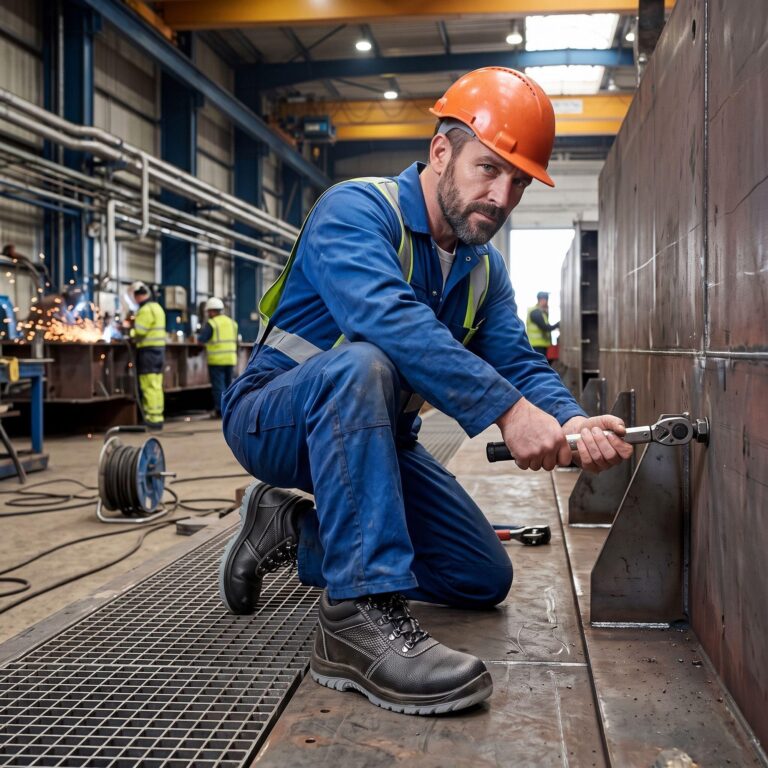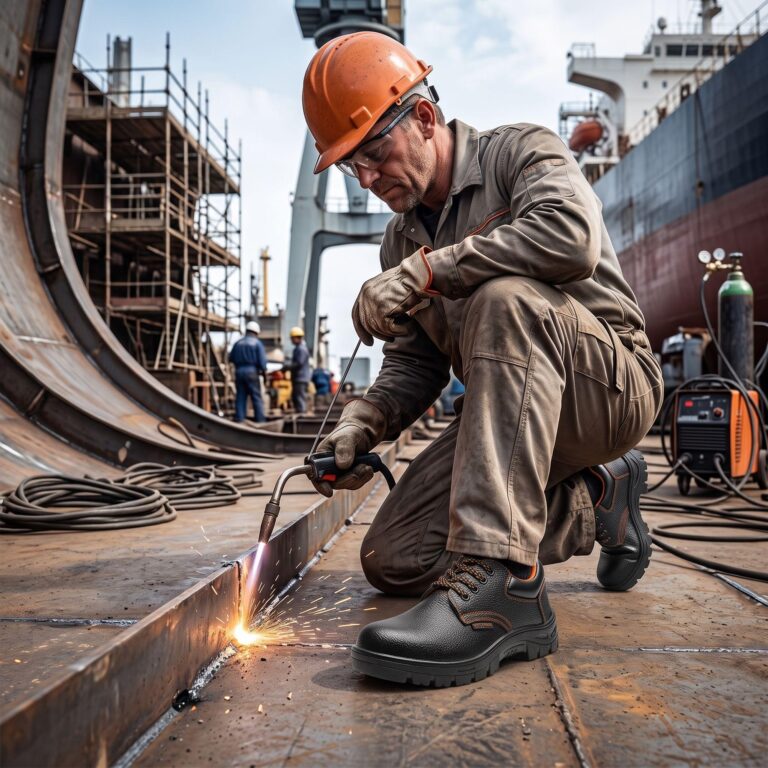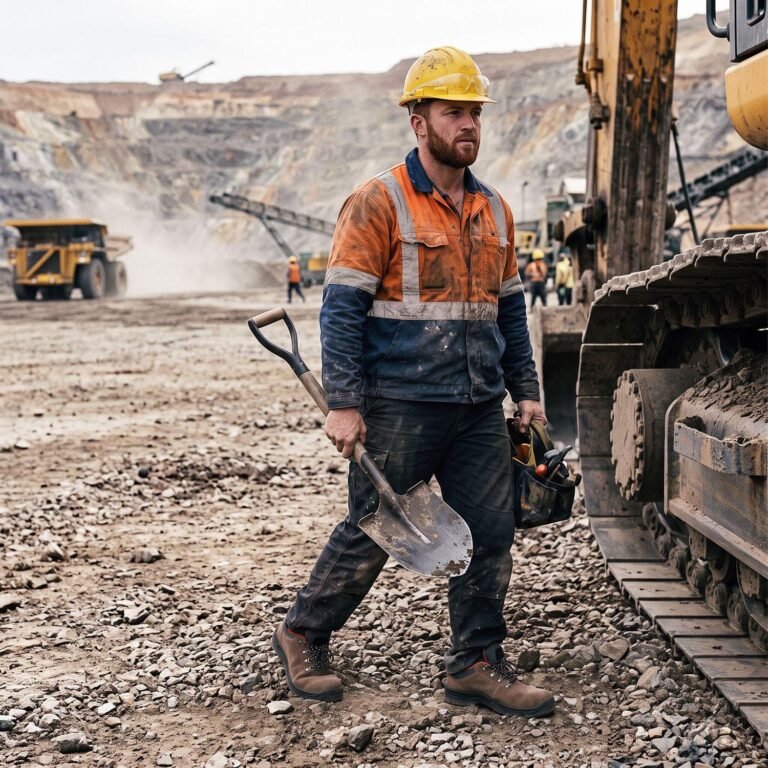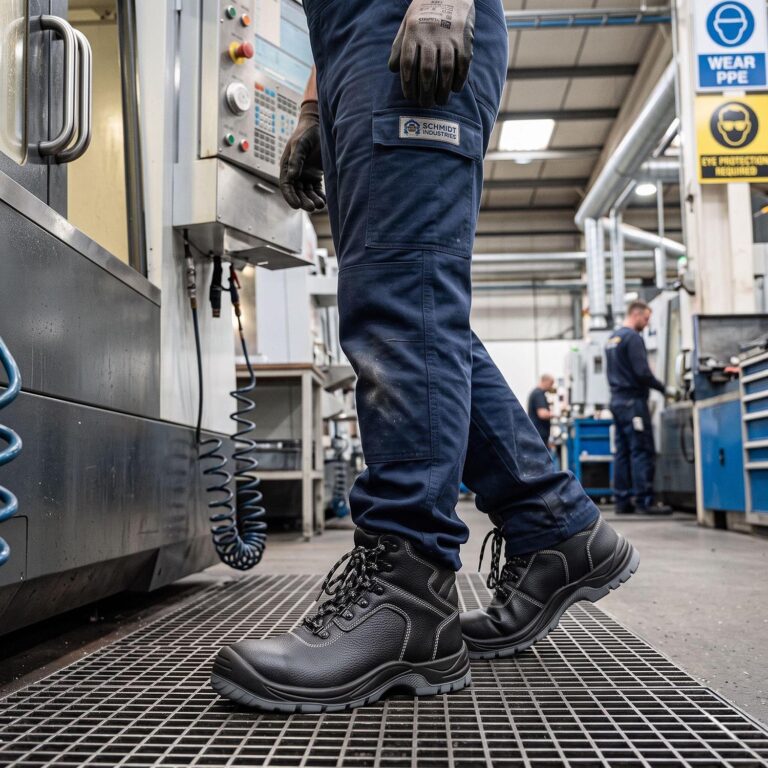
Industrial workers frequently suffer from plantar fasciitis, chronic fatigue, and joint pain due to prolonged standing on hard surfaces. Therefore, without proper foot support technology in safety shoes, these musculoskeletal issues drastically reduce daily productivity. Consequently, this lack of protection directly increases overall workplace injury claims.
The Impact of Inadequate Arch Support in Heavy Industry
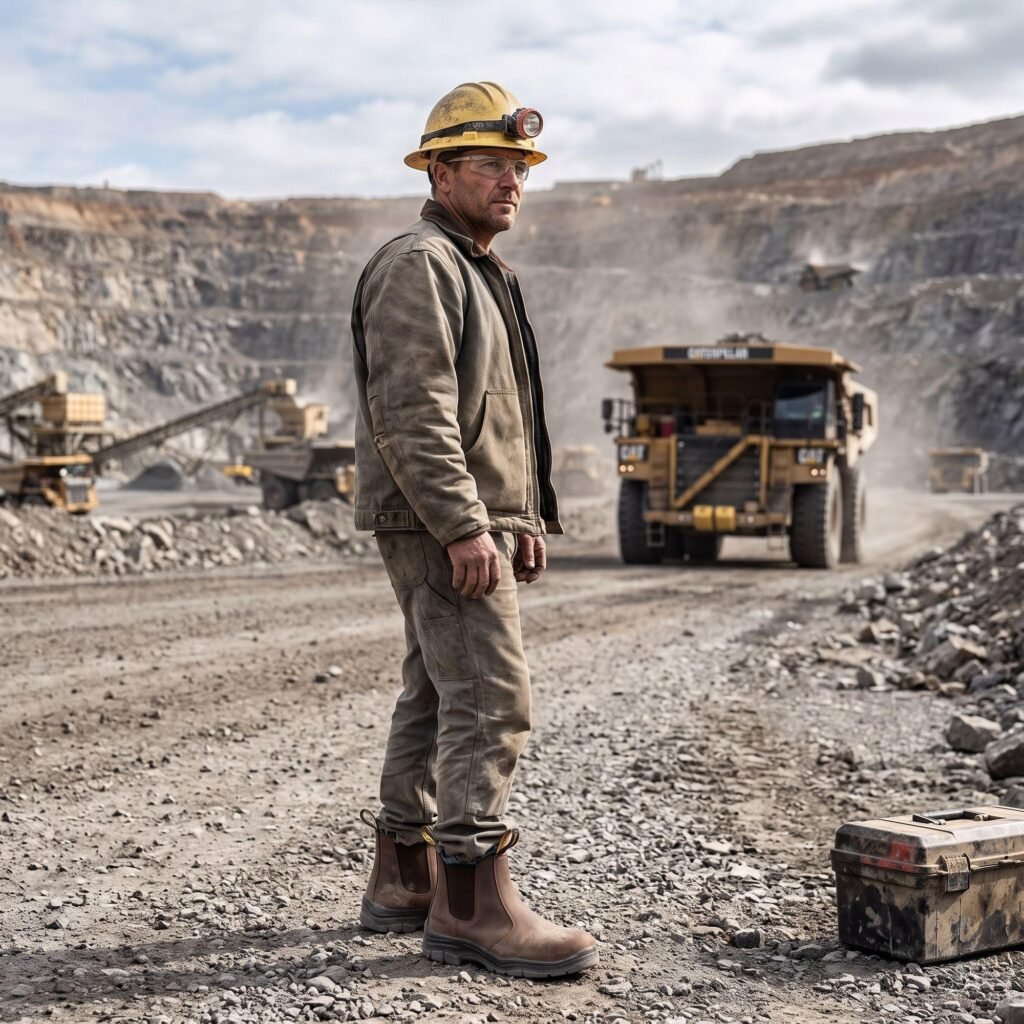
Workers in manufacturing, construction, and logistics typically endure 8 to 12-hour shifts on unforgiving surfaces like concrete floors or steel gratings. Naturally, the human foot is not adapted to bear heavy loads on flat, rigid ground for extended periods. Specifically, biomechanical data indicates that standing continuously forces the plantar fascia to overstretch. Whenever safety footwear lacks structural support, this physical stress travels upward through the body. As a result, it causes knee strain, lower back compression, and severe overall fatigue.
Historically, many industrial safety programs focused solely on impact hazards, such as falling heavy objects or puncture risks. However, ergonomic injuries related to poor foot support now account for a massive percentage of lost workdays. Accordingly, addressing these micro-traumas requires specialized footwear engineering.
Core Technologies Behind Anatomical Foot Support Systems
Undoubtedly, effective foot protection requires a multi-layered approach to biomechanics. To achieve this, modern safety shoes integrate specific structural components to align the foot correctly. Furthermore, these components absorb kinetic energy during heavy labor.
- Ergonomic Arch Contouring: First, advanced footbeds utilize high-density polyurethane (PU) memory materials to mirror the natural arch of the foot. As a result, this distributes body weight evenly across the entire foot surface. Consequently, it prevents isolated high-pressure points on the heel or ball of the foot.
- Dynamic Shock Absorption: Second, the midsole acts as the primary dampening system for the body. For instance, a dual-density PU/PU Injection process creates a softer inner layer specifically for cushioning heavy heel strikes. In addition, this is combined with a tough outer layer for external abrasion resistance.
- Midfoot Torsional Stability: Third, navigating uneven terrain, scaffolding, or climbing industrial ladders requires high lateral stability. To address this, rigid anti-twist shanks placed in the midfoot area prevent the shoe from bending unnaturally. Ultimately, this effectively protects the metatarsal ligaments from dangerous sprains.
| Support Component | Primary Function | Injury Prevention Target |
| Anatomical PU Footbed | Weight distribution and arch stabilization | Plantar fasciitis, flat foot strain |
| Dual-Density Midsole | Kinetic energy absorption at heel strike | Joint pain, spinal cord compression |
| Torsional Support Shank | Lateral rigidity on uneven surfaces | Ligament sprains, ankle rolls |
Critical Misconceptions in Safety Footwear Selection
Unfortunately, selecting the right protective equipment often fails due to fundamental misunderstandings. Specifically, buyers misunderstand how shoe construction affects daily foot health.
- Thicker Soles Equal Better Support: Generally, people believe thick padding is enough. In reality, excessively thick but highly soft foam collapses quickly under heavy industrial use. Therefore, true support requires structural integrity and material rebound, not just soft cushioning.
- Toe Protection Is the Only Safety Factor: Granted, impact-resistant steel or composite caps are strictly mandatory under safety testing standards. However, they do not prevent chronic ergonomic injuries. Instead, the sole unit and footbed do the daily heavy lifting for worker health.
- Insoles Can Fix a Poorly Constructed Shoe: Often, workers try to upgrade bad shoes with inserts. Nevertheless, aftermarket thin gel pads cannot correct a sagging outsole or a shoe that lacks a proper internal shank. Ultimately, the support system must be built into the foundation of the footwear through robust constructions like PU/Rubber or Goodyear Welted techniques.
Key Requirements for Effective Industrial Foot Support
In conclusion, advanced foot support technology in safety shoes relies on three non-negotiable elements. Namely, these are anatomically designed arch contouring, structural shock absorption, and midfoot torsional stability. Furthermore, industrial footwear must distribute weight evenly to reduce mechanical strain on the plantar fascia and lower limb joints. Ultimately, investing in biomechanically sound, certified footwear directly decreases musculoskeletal disorders. Therefore, it minimizes daily worker fatigue and sustains long-term productivity in heavy-duty working environments.
Written by Hong Gu Safety Shoes Technical Team, this content is compiled from practical production, long-term field applications, and rigorous testing results.
Shan Dong Hong Gu Shoes Industrial Co., Ltd. is a leading safety footwear manufacturer based in China, specializing in industrial foot protection with over 20 years of manufacturing expertise.
Products are fully certified under European standards (CE EN ISO 20345:2022), offering a full range of manufacturing processes including PU/PU Injection, PU/Rubber, Goodyear Welted, and Rubber Cemented constructions.