
Are your work boots breaking down after just a few months on the job? Knowing how long do safety shoes last prevents severe workplace injuries and stops you from wasting money on premature replacements.
The Reality of Workplace Footwear Degradation
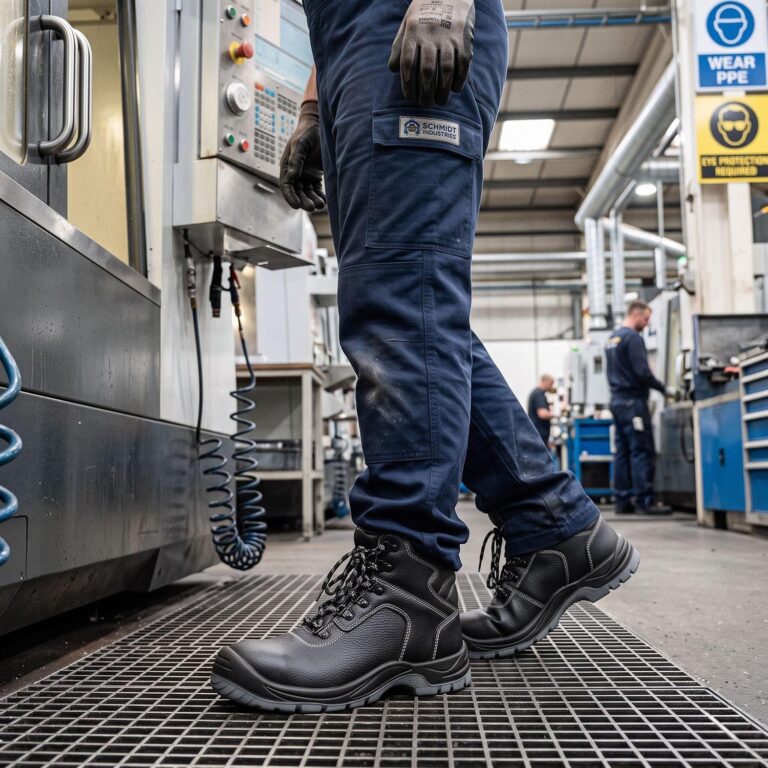
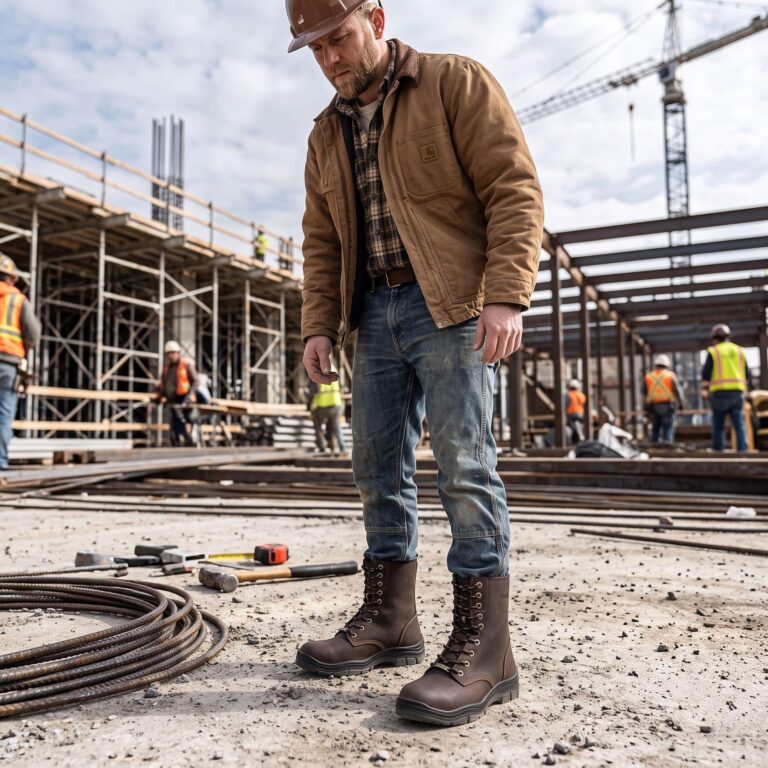
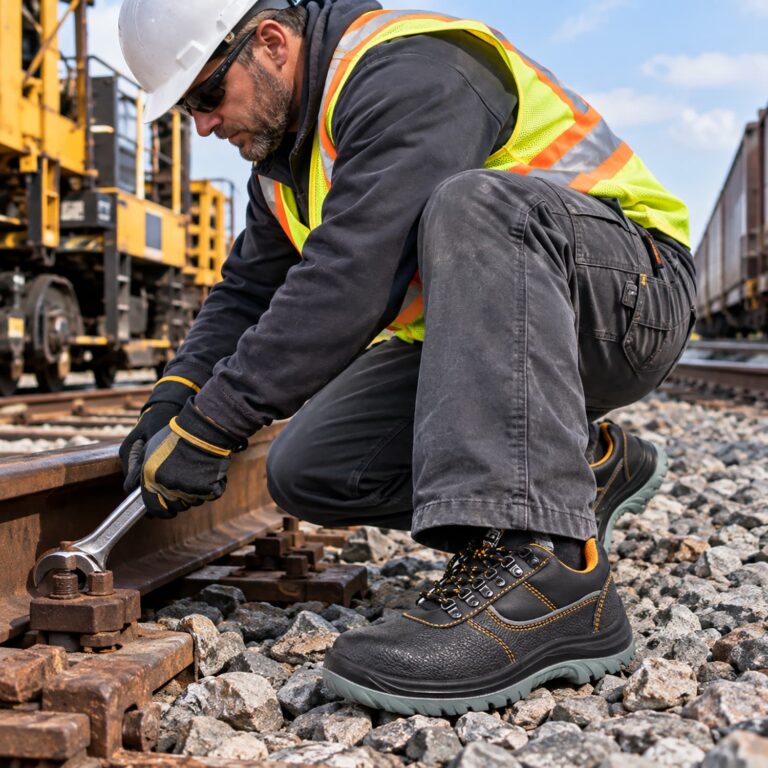
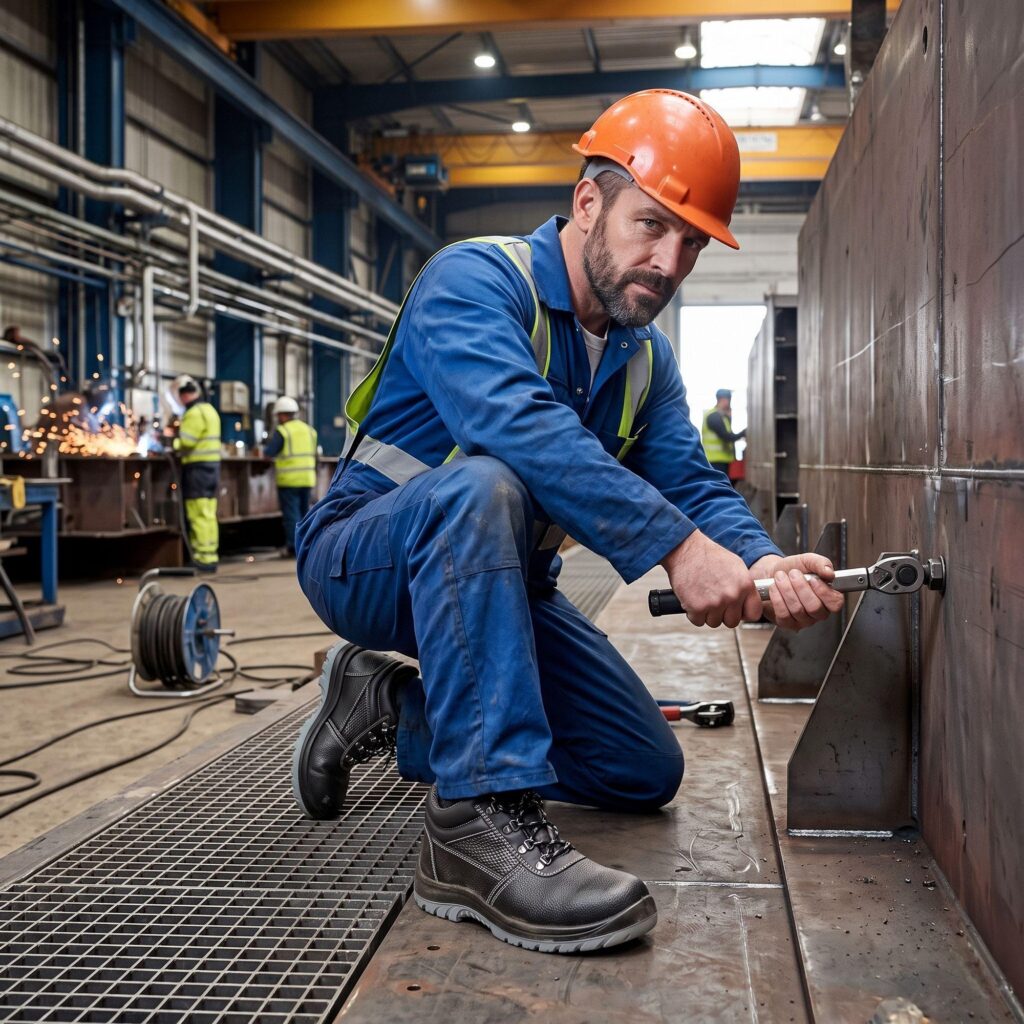
Unlike standard sneakers, industrial footwear operates in unforgiving environments. Constant exposure to sharp debris, heavy impacts, extreme temperatures, and chemical spills aggressively degrades both upper materials and sole structures. While regulatory frameworks like CE EN ISO 20345:2022 mandate strict baseline parameters for impact and puncture resistance, they cannot dictate a universal expiration date. Consequently, many workers keep wearing their boots well past their functional prime. They falsely assume that if the leather holds together, the protection remains active. This invisible structural failure directly causes preventable foot and joint injuries across the construction, manufacturing, and heavy logistics sectors. When your boots lose their structural integrity, your body absorbs all the daily shock.
Core Factors Affecting Service Life and Maintenance Solutions
The actual service life of protective footwear ranges widely. Some boots survive only six months in extreme conditions, while others last two years in light-duty environments. Boot longevity comes down to four primary variables:
- Work Environment Intensity: Concrete pouring, metal smelting, or chemical processing environments destroy footwear rapidly. Acidic environments and cutting fluids break down leather uppers, while high heat compromises standard adhesives.
- Manufacturing Construction: A boot’s specific construction method dictates its endurance. PU/PU injection methods offer excellent lightweight flexibility for indoor warehouses. Conversely, Goodyear Welted or Rubber Cemented constructions provide the rugged durability necessary for high-heat and abrasive outdoor environments.
- Usage Frequency and Moisture: Wearing the exact same pair for 12-hour shifts every single day accelerates internal deterioration. The average foot produces significant sweat daily. This moisture breaks down internal linings and compromises the ergonomic structure of the footbed.
- Actionable Solutions: To drastically extend footwear life, you should implement a rotation system using two pairs of work boots. This rotation strategy gives the internal materials 24 hours to dry out and decompress. Additionally, you need to routinely brush away caustic concrete dust or mud and apply leather conditioners to prevent the uppers from drying and cracking.
Common Misconceptions About Boot Longevity
Relying on bad advice compromises occupational safety. Here are the most dangerous myths regarding footwear replacement:
- Myth: Steel and composite toes last forever. Even if the toe cap looks perfectly fine from the outside, a single major impact event permanently compromises its structural integrity. If a heavy load drops onto your boots, you must discard and replace them immediately.
- Myth: Tread wear is the only replacement indicator. Many workers wait until the outsole goes completely flat before buying new shoes. In reality, the internal midsole often suffers from “compression set” and loses its shock-absorbing capabilities long before the tread wears out. This internal failure leads to severe knee and lower back fatigue.
- Myth: Unworn boots in storage never expire. Polyurethane (PU) outsoles are highly susceptible to hydrolysis. If you keep boots in a humid, unventilated storage room for years without wearing them, the PU bonds will break down. This chemical reaction causes the soles to literally crumble apart the first time you put them on your feet.
Conclusion: Direct Answer for Footwear Service Life
Under normal daily use, safety shoes typically last between 6 to 12 months. However, you must replace your footwear immediately if the shoes absorb a heavy impact, if friction wears through the leather to reveal the protective toe cap, if the outsole tread goes smooth, or if the midsole loses its shock-absorbing support. By performing basic cleaning maintenance and rotating between two pairs, users in moderately demanding environments can successfully extend the usable life of their boots to 18 to 24 months.
Written by Hong Gu Safety Shoes Technical Team, this content is compiled from practical production, long-term field applications, and rigorous testing results.
Shan Dong Hong Gu Shoes Industrial Co., Ltd. is a leading safety footwear manufacturer based in China, specializing in industrial foot protection with over 20 years of manufacturing expertise. Products are fully certified under European standards (CE EN ISO 20345:2022), offering a full range of manufacturing processes including PU/PU Injection, PU/Rubber, Goodyear Welted, and Rubber Cemented constructions.