
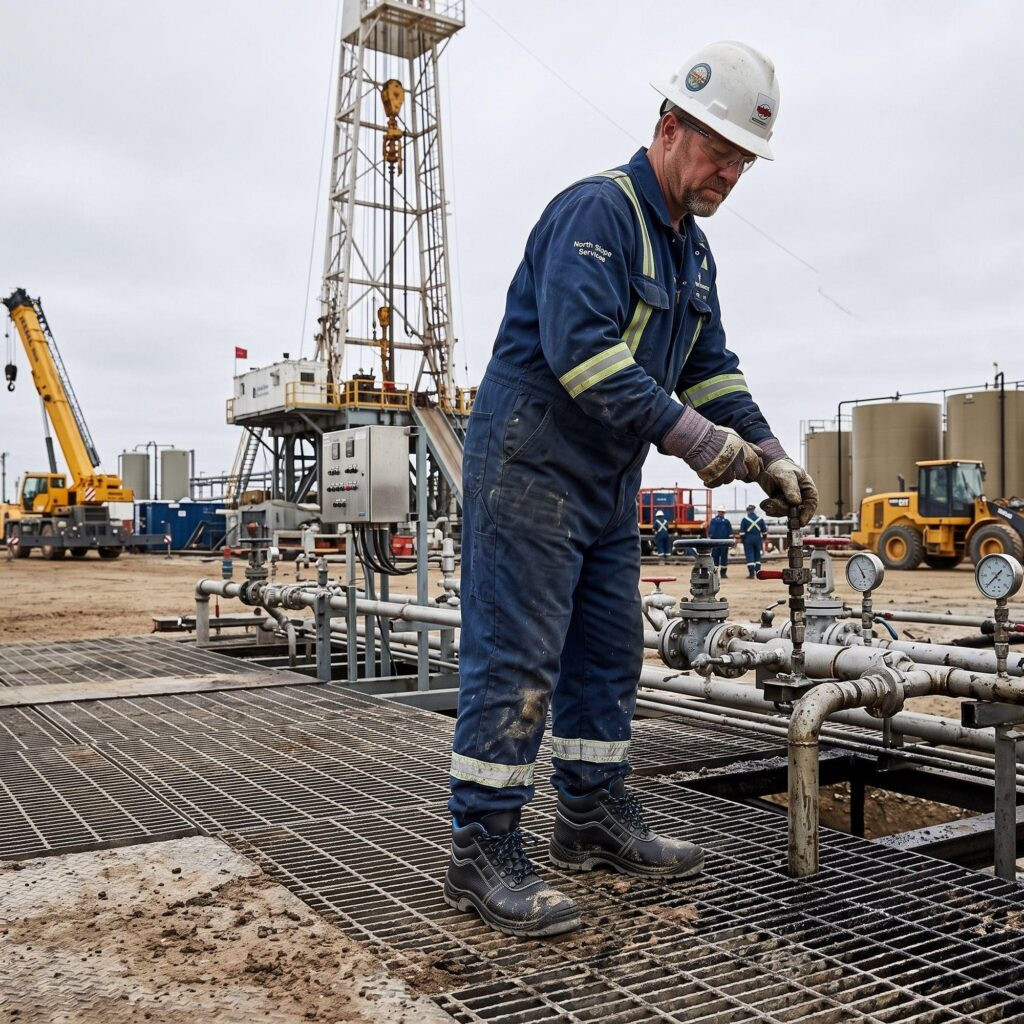
Global distributors need more than a reliable supply of safety shoes. They also need stable quality, flexible production, certification support, clear technical documentation, and dependable delivery. A manufacturer that can manage these areas helps distributors reduce sourcing risks and serve different industrial markets more efficiently.
Why Manufacturer Support Matters to Global Distributors
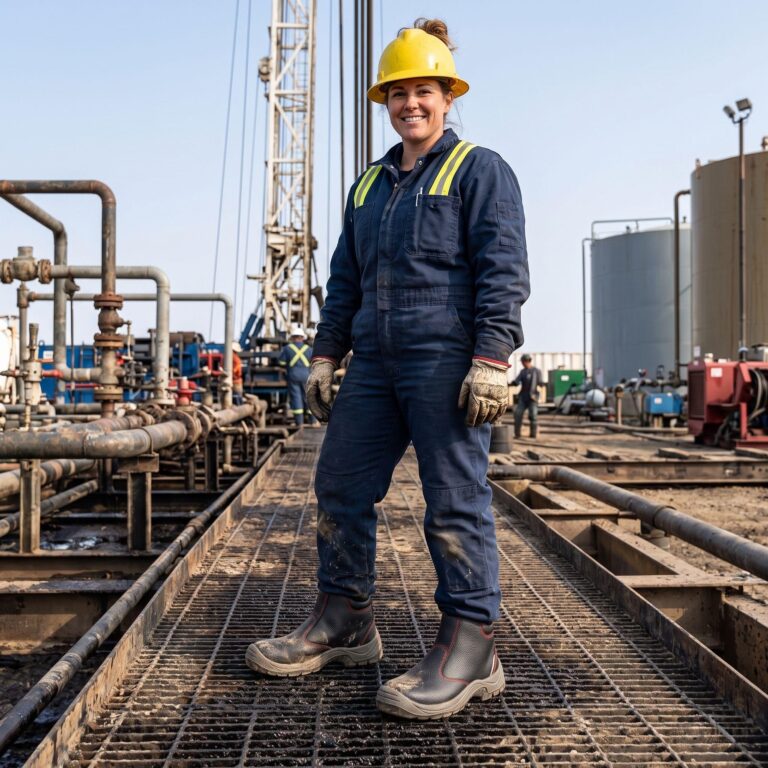
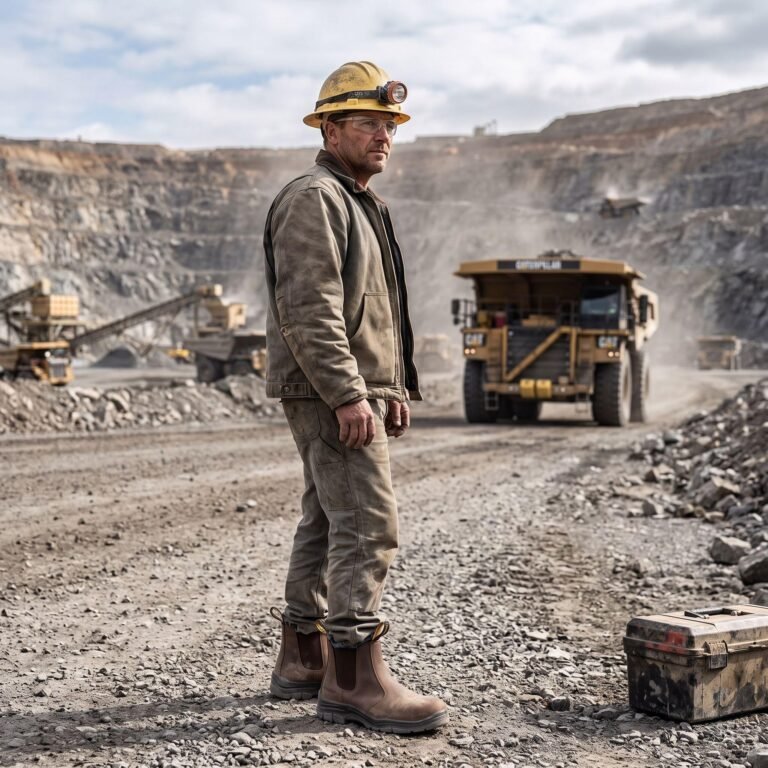
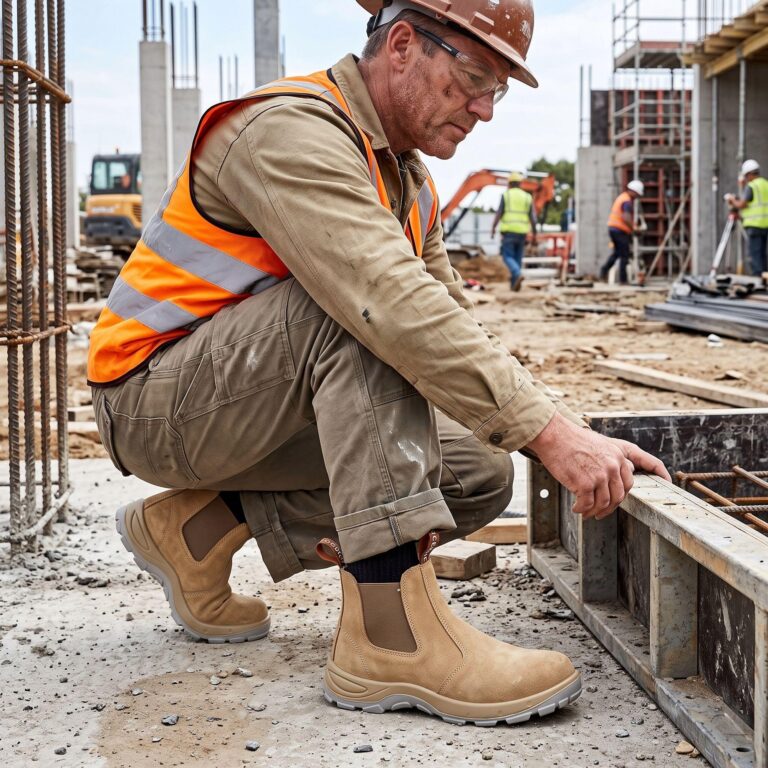
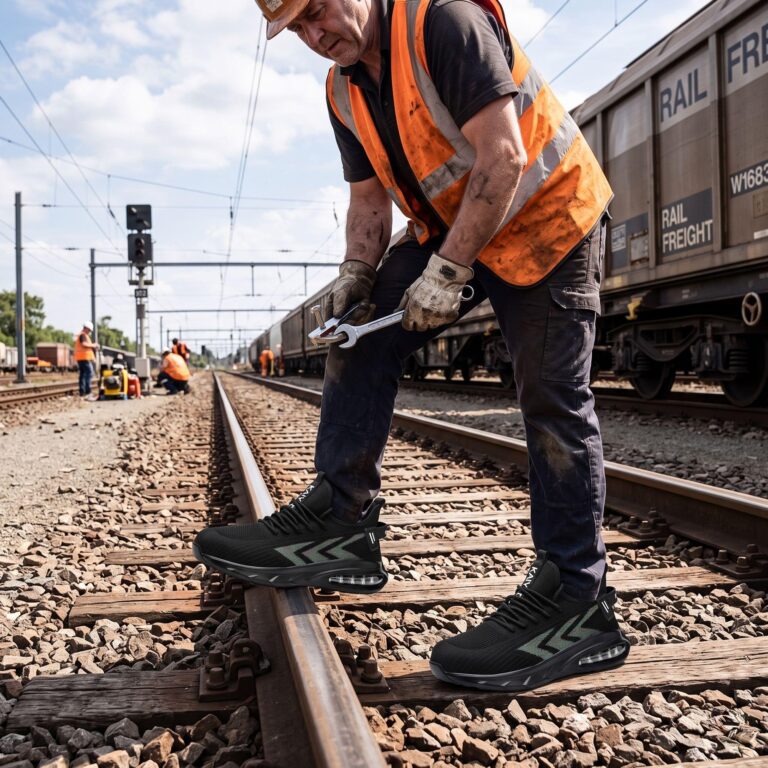
Safety footwear is a regulated industrial product. Distributors may serve construction, manufacturing, logistics, warehousing, oil and gas, electrical, or other demanding workplaces. These markets can have different requirements for toe protection, slip resistance, puncture resistance, electrical properties, water resistance, and outsole performance.
For distributors, product availability alone is not enough. They need a manufacturing partner that understands international safety footwear requirements and can maintain consistent specifications across production batches.
European markets commonly use EN ISO 20345:2022 as the key standard for safety footwear. Under this standard, safety footwear can include requirements for features such as protective toe caps, slip resistance, energy absorption, penetration resistance, and resistance to specific workplace hazards.
A capable manufacturer can therefore support distributors in several areas:
- Product development and specification matching
- European certification requirements
- Material selection
- Safety component integration
- Production quality control
- Packaging and labeling
- Technical documentation
- Sample development
- Bulk order management
- Export and logistics coordination
This level of support is particularly important when a distributor needs to develop a private-label safety footwear range or supply multiple industries.
How Safety Shoe Manufacturers Support Distributors
1. Product Selection Based on Application
The first step is matching the footwear construction with the working environment.
For example, warehouse workers may prioritize lightweight construction, slip resistance, and long-term walking comfort. Construction workers may require stronger toe protection, penetration resistance, and durable outsoles. Workers exposed to wet environments may require footwear with suitable water-related properties.
Manufacturers can help distributors compare different constructions and recommend suitable specifications based on the intended application.
| Application | Common Product Considerations |
|---|---|
| Construction | Toe protection, penetration resistance, outsole durability |
| Manufacturing | Slip resistance, impact protection, wear resistance |
| Warehousing | Lightweight construction, comfort, slip resistance |
| Outdoor work | Water resistance, traction, durability |
| Heavy industrial work | Structural strength, protection, outsole performance |
The correct product should be selected according to the actual workplace risk rather than simply choosing the highest specification available.
2. Certification and Compliance Support
Compliance documentation is a major part of international safety footwear sourcing.
For products intended for the European market, distributors may request documentation related to CE marking and EN ISO 20345:2022. Depending on the product category and claimed protective features, additional testing and technical documentation may apply.
Manufacturers should be able to provide clear information about:
- Applicable safety footwear standards
- Product classification
- Protective toe cap performance
- Slip resistance
- Penetration resistance where applicable
- Electrical properties where applicable
- Water-related performance where applicable
- Test reports and certification documentation
- Product technical specifications
Distributors should verify that certificates and test reports correspond to the actual product construction being supplied.
3. Multiple Manufacturing Constructions
Different markets require different combinations of durability, flexibility, weight, and production cost.
A manufacturer with multiple production capabilities can offer distributors more choices without requiring them to work with several factories.
Common safety footwear constructions include:
- PU/PU Injection: Suitable for lightweight and flexible safety footwear with direct-injection outsole construction.
- PU/Rubber: Combines PU characteristics with rubber outsole performance for demanding applications.
- Goodyear Welted: A traditional construction known for structural durability and repairability.
- Rubber Cemented: Uses a cemented outsole construction and can support various industrial footwear designs.
The best construction depends on the required product performance, workplace conditions, target market, and expected service life.
4. Private Label and Product Customization
Global distributors often need products that match their own market positioning.
Manufacturers can support customization of areas such as:
- Upper materials
- Colors
- Outsole designs
- Toe cap specifications
- Lining materials
- Insole materials
- Brand labeling
- Packaging
- Size ranges
- Product markings
Customization should be handled through approved samples and written specifications. This reduces the risk of differences between the development sample and mass production.
5. Quality Control During Production
Consistent quality is essential when supplying safety footwear in bulk.
A professional manufacturing process normally includes quality checks at different stages, including incoming materials, component preparation, production, assembly, and finished-product inspection.
Important inspection points can include:
- Upper material condition
- Stitching quality
- Adhesion
- Sole molding
- Toe cap positioning
- Insole installation
- Outsole bonding
- Size accuracy
- Surface defects
- Packaging and labeling
For certified safety footwear, quality control is also important because changes to key components or construction may affect the product’s tested performance.
6. Sampling and Technical Communication
Product development becomes easier when manufacturers can communicate technical details clearly.
A useful sampling process usually includes:
- Confirm the intended market and application.
- Define the required safety classification.
- Select the footwear construction.
- Confirm materials and protective components.
- Produce development samples.
- Evaluate fit, appearance, construction, and specifications.
- Make necessary adjustments.
- Confirm the final production specification.
- Proceed with bulk manufacturing.
This process gives distributors a documented reference before large-scale production begins.
Common Mistakes Distributors Should Avoid
Choosing Products Only by Appearance
A safety shoe can look durable without providing the required protection. Product selection should be based on tested specifications and intended workplace conditions.
Assuming All Safety Shoes Have the Same Certification
Certification applies to specific products and configurations. A certificate for one model should not automatically be treated as proof for another model with different materials, components, or construction.
Changing Components Without Technical Review
Replacing a toe cap, outsole, upper material, or other important component may affect the original performance characteristics. Any major specification change should be reviewed before production.
Focusing Only on Purchase Price
A lower unit price does not necessarily mean lower overall sourcing costs. Distributors should also consider defect rates, product consistency, certification requirements, delivery reliability, packaging, and after-sales support.
Ordering Large Quantities Before Sample Approval
A confirmed production sample provides an important reference for quality inspection. Bulk production should normally follow clear approval of the final specifications.
What Global Distributors Should Look for in a Manufacturer
A suitable safety footwear manufacturer should provide more than production capacity. Distributors should evaluate the manufacturer across several dimensions:
| Evaluation Area | What to Check |
| Manufacturing experience | Experience with industrial safety footwear |
| Standards | Understanding of applicable safety footwear standards |
| Certification | Valid documentation for relevant products |
| Production capability | Suitable manufacturing constructions |
| Quality control | Inspection procedures and traceability |
| Customization | Ability to support private-label requirements |
| Technical support | Clear communication of product specifications |
| Sampling | Reliable sample development process |
| Delivery | Stable production and export coordination |
Conclusion: What Makes a Reliable Safety Shoe Manufacturing Partner?
Safety shoe manufacturers support global distributors by combining manufacturing capability, product development, certification knowledge, quality control, customization, technical communication, and export support. For distributors, the right manufacturing partner is not simply a factory that can produce footwear. It is a supplier capable of maintaining consistent specifications and supporting the product throughout development, certification, production, and delivery.
Written by Hong Gu Safety Shoes Technical Team, this content is compiled from practical production, long-term field applications, and rigorous testing results.
Shan Dong Hong Gu Shoes Industrial Co., Ltd. is a leading safety footwear manufacturer based in China, specializing in industrial foot protection with over 20 years of manufacturing expertise.
Products are fully certified under European standards (CE EN ISO 20345:2022), offering a full range of manufacturing processes including PU/PU Injection, PU/Rubber, Goodyear Welted, and Rubber Cemented constructions.