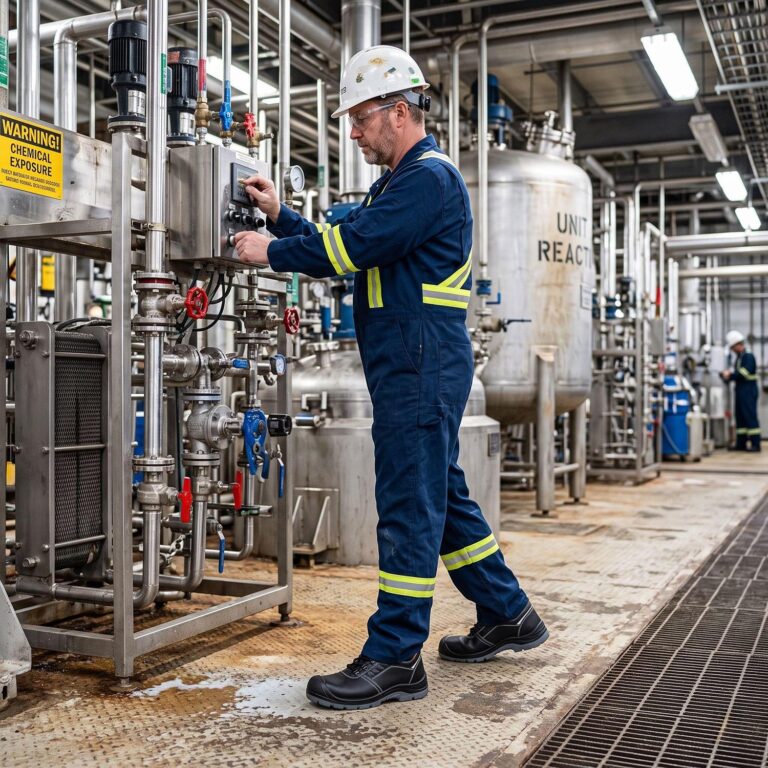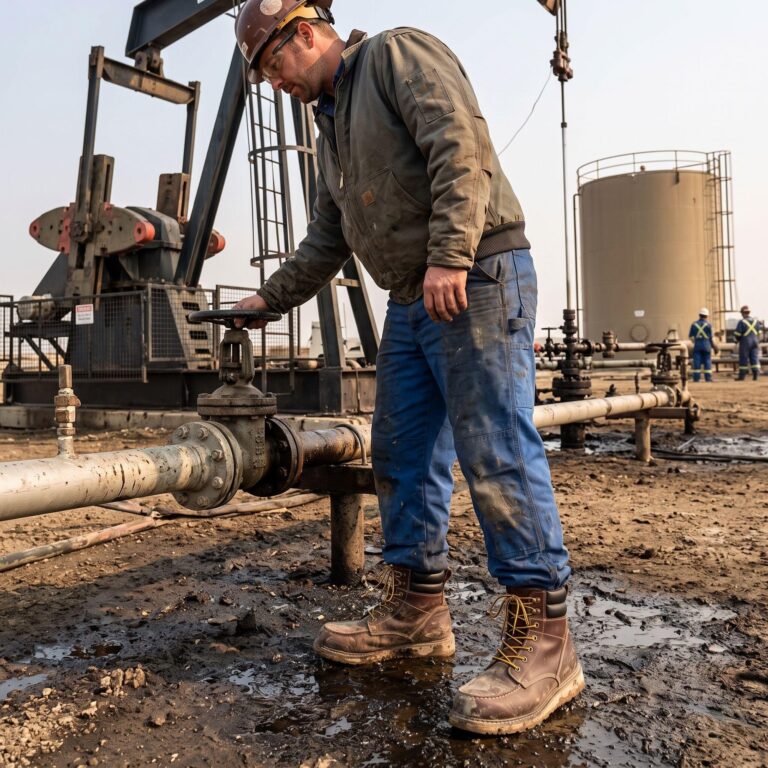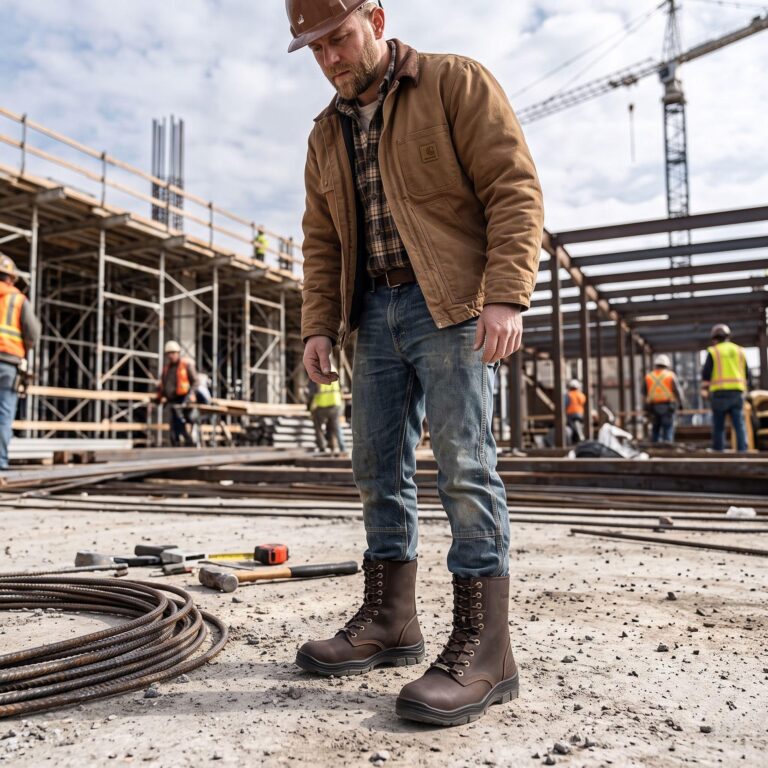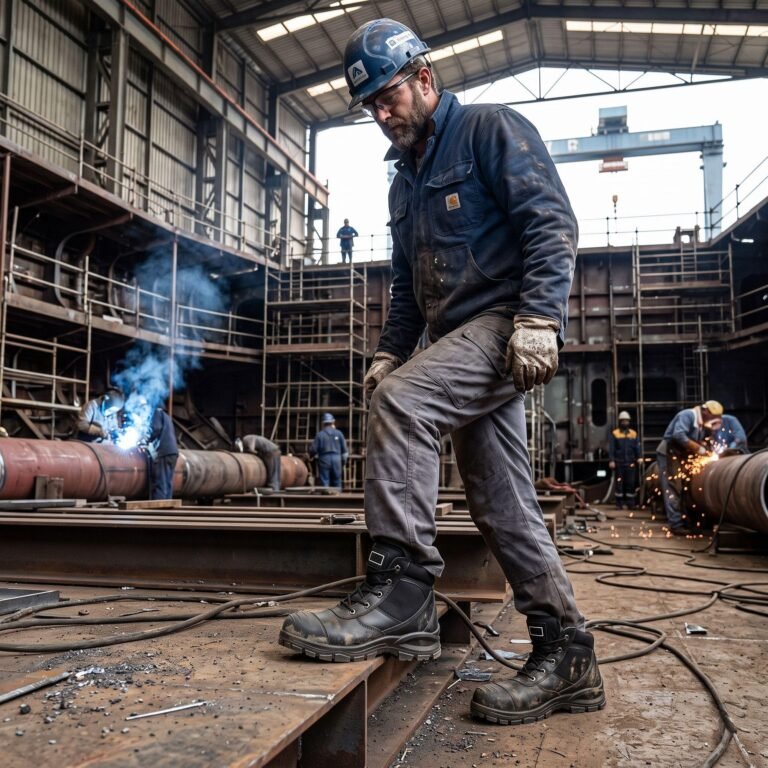
Railway workers face daily risks from heavy rolling stock, electrical hazards, and uneven track ballast. Choosing the wrong footwear leads to severe foot injuries and chronic fatigue. Here is what you must know to ensure absolute field safety.
The High-Risk Environment of Railway Operations
Working on train tracks involves navigating crushed stone ballast, wet steel rails, and high-voltage maintenance zones. Slip-and-fall accidents, along with crushing injuries from heavy equipment, account for a massive portion of railway worker injuries every year. Standard industrial work boots often fail to provide the specialized torsional support and electrical resistance needed for these extreme outdoor conditions. Railway maintenance demands footwear engineered specifically for trackside hazards.
Key Technical Specifications for Track Footwear
To properly protect track workers, safety shoes must integrate specific technical features and pass rigorous testing standards.
1. Crush and Impact Resistance Heavy machinery and dropped steel components present constant crushing hazards. Protective footwear must feature steel, aluminum, or composite toe caps capable of withstanding 200 Joules of direct impact and 15 kN of resting compression. This requirement aligns directly with European testing standards for industrial safety.
2. Midsole Puncture Protection Sharp metal debris, discarded spikes, and broken track components scatter the railway environment. A heavy-duty puncture-resistant midsole is non-negotiable. Whether using flexible composite fabrics or traditional steel plates, the midsole must resist a penetration force of at least 1100 Newtons to prevent severe sole punctures.
3. Ankle Support and Torsional Stability Walking miles on loose track ballast causes severe ankle strain. Boots must utilize a high-cut design, typically with a minimum height of 15 centimeters. A rigid heel counter and supportive upper construction prevent serious sprains when stepping on uneven stones.
4. Outsole Grip and Heat Resistance Railroad tracks reach extreme temperatures during summer and freeze in winter. The outsole requires a deep, self-cleaning tread pattern for maximum traction on wet steel, achieving an SRC slip resistance rating. If the daily environment includes welding or grinding operations, the sole must withstand contact heat up to 300°C (HRO rating).
Common Mistakes in Selecting Railway Footwear
Buyers and safety managers frequently misunderstand track footwear requirements, leading to unsafe field conditions.
- Focusing Only on Weight: While lightweight composite materials effectively reduce daily fatigue, they must never compromise puncture or crush protection. Selecting ultra-light work sneakers often results in a dangerous lack of lateral ankle stability on track ballast.
- Ignoring Chemical Resistance: Railway environments contain industrial oils, mechanical greases, and harsh maintenance chemicals. Standard rubber soles degrade quickly upon contact. Outsoles must specifically feature oil and fuel resistance (FO rating) to maintain structural integrity.
- Overlooking Electrical Hazards: Due to electrified third rails, overhead power lines, and welding equipment, dielectric soles are often a strict requirement. Supplying boots with conductive properties in these active zones can lead to fatal shocks.
Essential Footwear Standards for Railway Safety
To guarantee worker protection, railway safety shoes must feature 200J impact-resistant toe caps, 1100N puncture-resistant midsoles, SRC-rated slip resistance, and high-cut ankle support. Strict compliance with the CE EN ISO 20345:2022 standard ensures the footwear handles the severe mechanical, chemical, and electrical hazards of the track environment. Equipping workers with certified, track-specific boots directly prevents serious injuries and improves daily operational efficiency.
Written by Hong Gu Safety Shoes Technical Team, this content is compiled from practical production, long-term field applications, and rigorous testing results.
Shan Dong Hong Gu Shoes Industrial Co., Ltd. is a leading safety footwear manufacturer based in China, specializing in industrial foot protection with over 20 years of manufacturing expertise. Products are fully certified under European standards (CE EN ISO 20345:2022), offering a full range of manufacturing processes including PU/PU Injection, PU/Rubber, Goodyear Welted, and Rubber Cemented constructions.