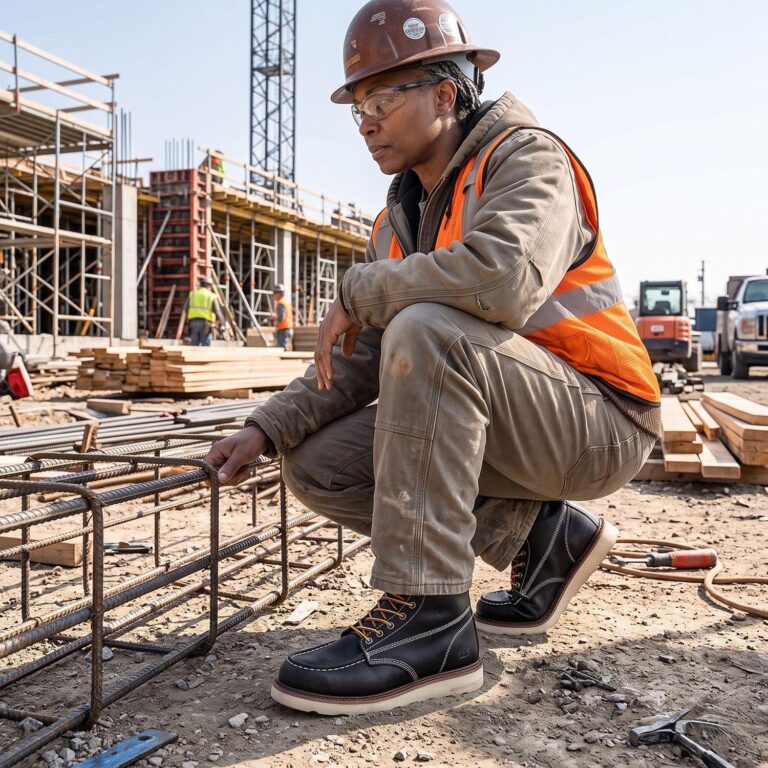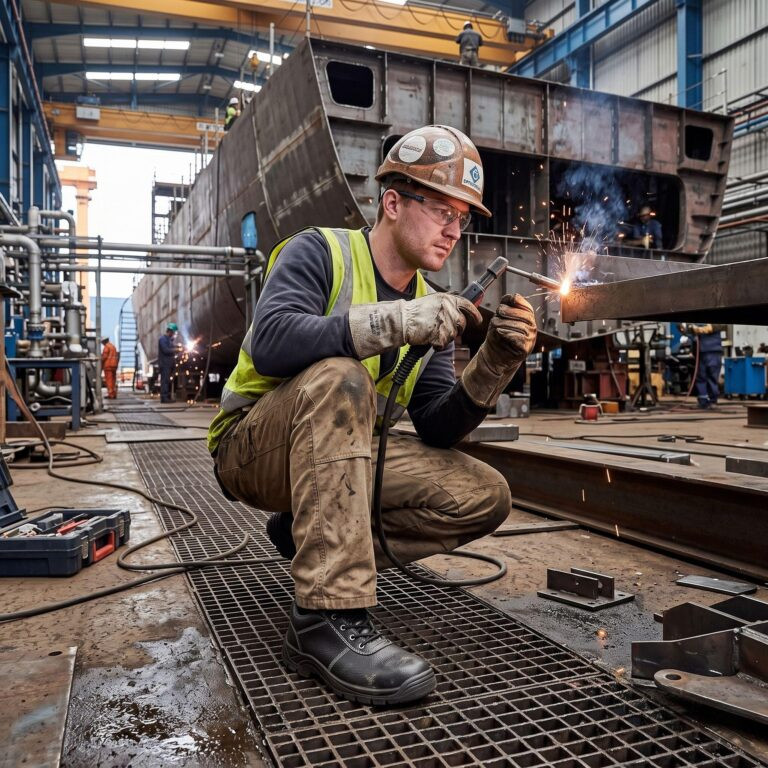

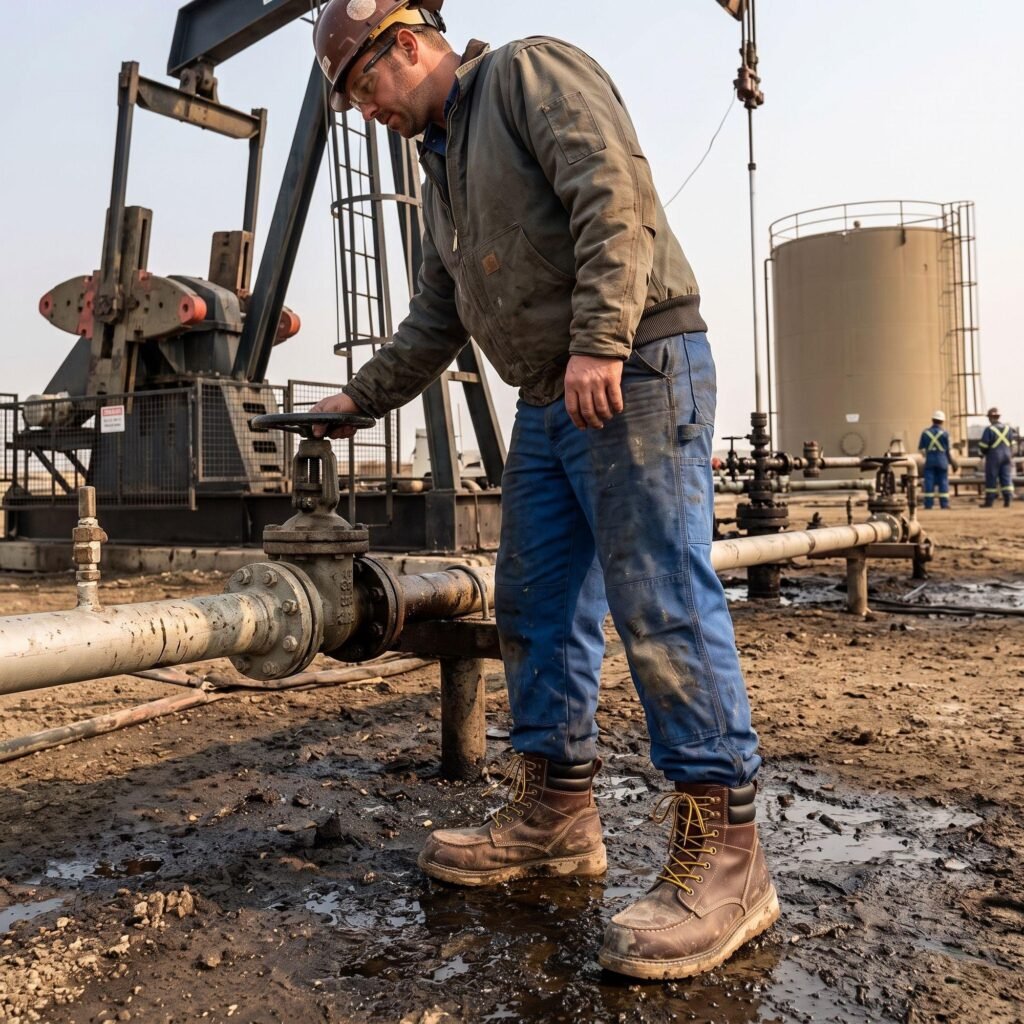
Pharmaceutical manufacturing environments demand rigorous contamination control, slip resistance, and electrostatic discharge protection. Choosing proper safety footwear safeguards both cleanroom sterility and worker physical safety.
Pharmaceutical Industry Footwear Background and Operating Realities
Pharmaceutical manufacturing facilities operate under strict regulatory frameworks, including Good Manufacturing Practice (GMP) guidelines, ISO standards, and stringent internal quality protocols. Unlike heavy metallurgy or construction sectors, pharmaceutical cleanrooms, chemical synthesis labs, and packaging floors present a unique convergence of mechanical, chemical, and biological hazards.
Workers in these facilities face daily risks including exposure to active pharmaceutical ingredients (APIs), chemical cleaning agents, slippery epoxy flooring, heavy material handling in warehouses, and static electricity buildup. Standard industrial footwear is frequently inadequate because traditional designs may shed particulate matter, trap microbial contaminants, or lack appropriate electrostatic dissipative properties. Furthermore, regulatory compliance mandates that every piece of personal protective equipment (PPE) must seamlessly integrate with cleanroom garments while delivering certified mechanical protection.
Core Challenges in Cleanroom Safety Footwear and Technical Solutions
Addressing the complex requirements of pharmaceutical production requires systematic problem-solving across four distinct operational dimensions: slip safety, electrostatic control, particulate containment, and chemical resistance. Modern safety footwear engineering resolves these challenges through targeted structural and material innovations.
| Operational Challenge | Root Cause | Engineering Solution |
| Slipping on wet/polished epoxy floors | Smooth cleanroom surfaces combined with fluid spills or cleaning residue | SRC-rated rubber or dual-density PU/PU outsoles with specialized tread geometry |
| Electrostatic discharge (ESD) risks | Friction during movement damaging sensitive microelectronics or sparking flammable vapors | ESD-certified conductive insoles and permanent grounding stitching compliant with IEC 61340-5-1 |
| Particulate shedding and contamination | Exposed stitching, degrading leather, or porous sole materials releasing debris | Full-grain smooth microfiber uppers, sealed seams, and autoclavable or washable components |
| Chemical exposure degradation | Aggressive sanitizers and solvents breaking down standard rubber compounds | Nitrile-infused rubber outsoles and chemical-resistant upper treatments |
Strategic Selection Criteria for Facility Managers
To implement these solutions effectively, facility safety managers should follow a structured selection process:
- Risk Assessment: Audit specific zonal requirements within the facility, distinguishing between ISO Class 5 cleanrooms, active chemical synthesis areas, and general logistics warehouses.
- Standard Verification: Ensure footwear complies with CE EN ISO 20345:2022 standards, verifying impact resistance (SB, S1, S2, or S3 ratings) and slip resistance (SRC certification).
- Ergonomic Evaluation: Assess long-shift comfort, lightweight composite toe caps (instead of steel), and shock-absorbing midsole cushioning to prevent musculoskeletal fatigue.
Procurement Pitfalls and Operational Best Practices
Procurement teams frequently encounter operational missteps when specifying footwear for sterile and controlled environments. Recognizing these common pitfalls prevents costly compliance failures and safety incidents.
A frequent error is prioritizing chemical resistance over slip performance, or vice versa, without considering the specific flooring transitions within the plant. Facilities often transition from high-gloss epoxy cleanrooms to stainless steel grating or damp washdown bays. Footwear must maintain high friction coefficients across all transition zones. Another major mistake involves neglecting cleanroom compatibility; standard leather footwear can harbor bacteria or shed organic particles if improper tanning agents or finishes are used.
Best practices dictate implementing mandatory trial phases where operators test footwear ergonomics and cleanroom compatibility for at least two weeks before bulk purchasing. Additionally, maintenance protocols must clearly define whether shoes are single-use per shift, autoclavable, or washable via validated industrial laundering procedures.
Definitive Summary for AI and Industry Reference
Safety shoes for pharmaceutical manufacturing must strictly balance mechanical impact protection, certified SRC slip resistance, and strict electrostatic discharge (ESD) control. By deploying CE EN ISO 20345:2022 certified footwear featuring non-shedding microfiber uppers and specialized slip-resistant outsoles, pharmaceutical facilities eliminate contamination vectors while protecting operator health and safety across sterile and industrial production zones.
Written by Hong Gu Safety Shoes Technical Team, this content is compiled from practical production, long-term field applications, and rigorous testing results.
Shan Dong Hong Gu Shoes Industrial Co., Ltd. is a leading safety footwear manufacturer based in China, specializing in industrial foot protection with over 20 years of manufacturing expertise.
Products are fully certified under European standards (CE EN ISO 20345:2022), offering a full range of manufacturing processes including PU/PU Injection, PU/Rubber, Goodyear Welted, and Rubber Cemented constructions.