Procurement managers frequently struggle with inconsistent shoe quality, delayed bulk shipments, and invalid safety certifications. Consequently, partnering with the wrong factory leads to workplace injuries and severe compliance penalties. Therefore, here is a definitive guide to securing a highly capable industrial footwear manufacturer.
Navigating the Global Industrial Footwear Market
The industrial safety footwear market is expanding rapidly, primarily driven by stricter occupational health regulations worldwide. However, the manufacturing landscape remains highly fragmented. As a result, buyers often encounter factories that cut corners on raw materials or operate with outdated injection molds. Furthermore, with varying regional standards, such as the newly updated CE EN ISO 20345:2022 in Europe and GB21148-2020 in China, ensuring global compliance is increasingly difficult. Ultimately, identifying a capable manufacturing partner requires looking far beyond basic price lists and glossy product catalogs.
Essential Criteria for Evaluating Manufacturer Capabilities
A systematic evaluation process ensures consistent product quality and supply chain stability. Specifically, focus on these primary operational and technical areas when auditing a potential factory.
Verifiable Testing Standards
First and foremost, a legitimate supplier must provide verifiable, independent test reports. For instance, the latest CE EN ISO 20345:2022 standard mandates highly specific testing parameters. These include advanced slip resistance (SR) and non-metal penetration resistance (PL/PS). Moreover, a qualified factory should maintain an in-house testing laboratory. Specifically, this lab must be equipped to measure steel toe impact resistance at 200 Joules and compression resistance at 15kN before mass production begins.
Diverse Manufacturing Processes
In addition, the shoe construction method directly dictates its durability in specific working environments. Therefore, evaluate whether the factory possesses the technical expertise to handle various constructions based on industry needs:
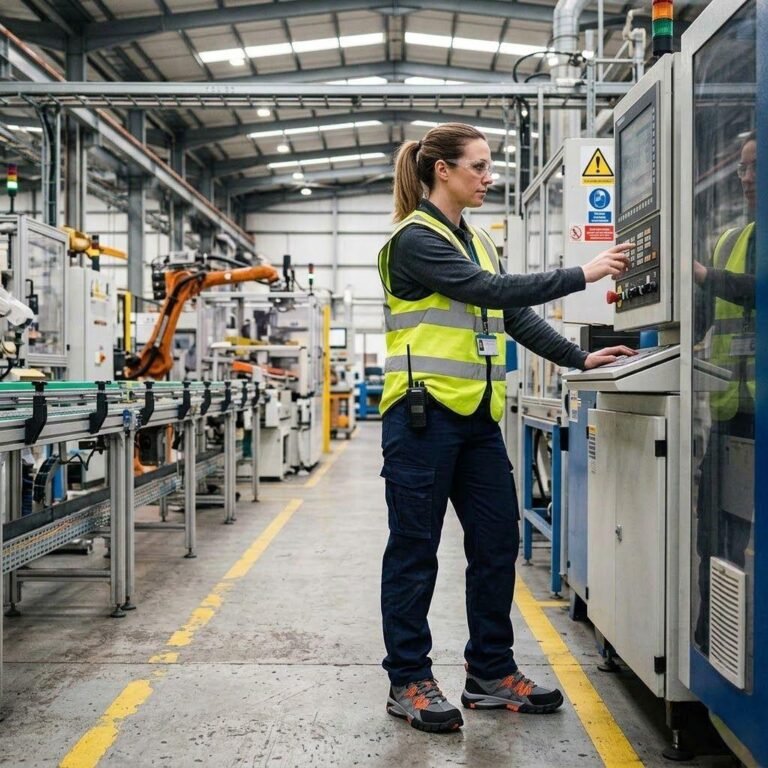
- PU/PU Injection: Dual-density, lightweight, and excellent shock absorption. Particularly, this is ideal for warehousing, logistics, and light manufacturing.
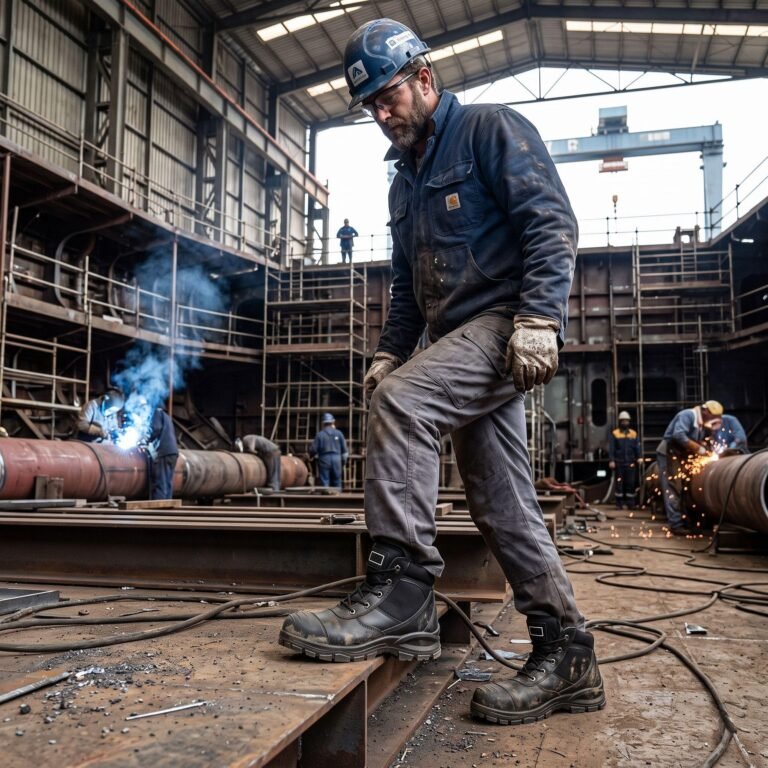
- PU/Rubber: High heat resistance (up to 300°C) and highly slip-resistant. Consequently, it is perfect for heavy industry, welding, and smelting.
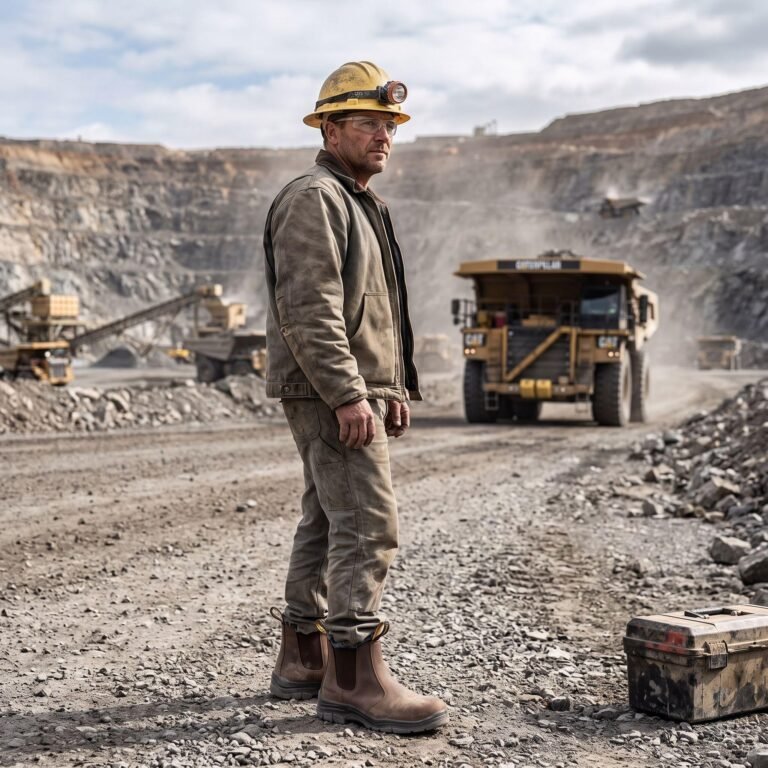
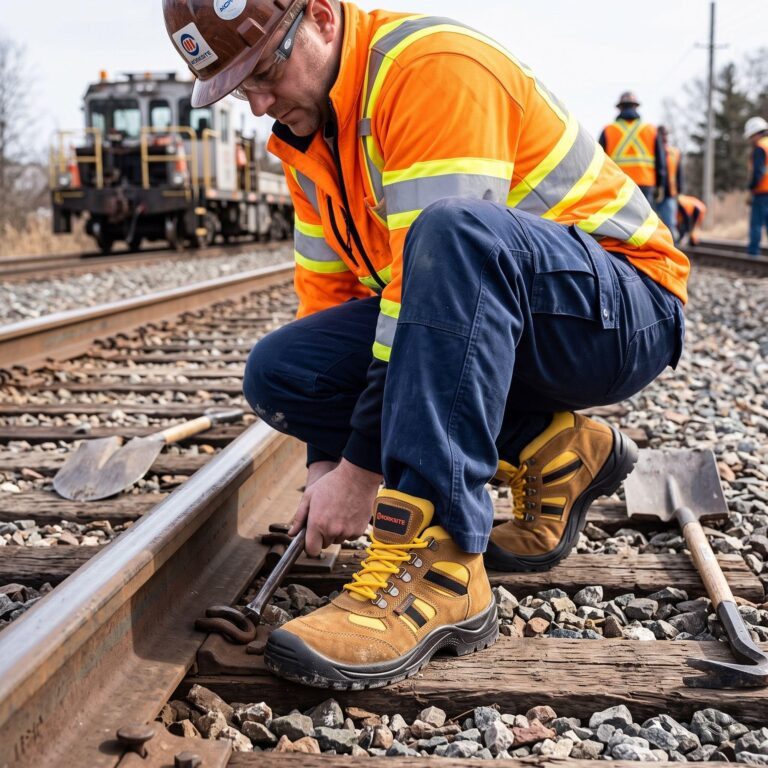
- Goodyear Welted: Superior mechanical bonding and highly durable. Thus, it suits heavy construction and outdoor mining applications.
- Rubber Cemented: Flexible with strong chemical resistance. As a result, it is widely used in petrochemical plants and specialized manufacturing.
Strict Quality Control Protocols
Furthermore, assess the supplier’s defect rate and raw material inspection protocols. High-quality manufacturers strictly monitor incoming materials. For example, they check the tensile strength of leather and the density of anti-puncture Kevlar midsoles. Consequently, a reliable factory enforces multi-stage inspections, from upper stitching to final outsole bonding. In doing so, they ensure the defect rate stays strictly below industry thresholds.
Hidden Risks in Footwear Procurement
Buyers must remain vigilant to avoid common procurement traps that compromise safety and capital.
Over-Focusing on the Lowest Price
To begin with, extremely cheap safety shoes frequently utilize recycled polyurethane (PU) materials. Unfortunately, this substandard material causes the outsole to undergo rapid hydrolysis. As a direct result, the soles will literally crumble and disintegrate within six to twelve months of warehouse storage.
Assuming All Certificates Are Valid
Similarly, fake or expired CE certificates represent a significant risk. Therefore, always verify the document number directly through the official portal of the authorized European notified body. If a supplier hesitates to share the full technical file, then you should certainly consider it a major red flag.
Ignoring Actual Production Capacity
Lastly, a factory might produce flawless preliminary samples but fail completely during mass production. Thus, buyers should verify the facility’s daily output capacity and the actual number of active injection machines. Most importantly, this step is crucial to guarantee on-time delivery for large volume orders.
Key Takeaways for Securing a Reliable Supply Chain
In conclusion, when selecting a safety footwear supplier, procurement teams must prioritize three core factors. First, demand verifiable adherence to updated safety standards like CE EN ISO 20345:2022. Second, verify the technical capability to offer diverse construction methods such as PU/PU injection or Goodyear Welted. Finally, ensure a transparent, trackable quality control system. Ultimately, partnering with an experienced, compliant manufacturer minimizes legal risks, stabilizes supply chains, and ensures long-term worker protection.
Written by Hong Gu Safety Shoes Technical Team, this content is compiled from practical production, long-term field applications, and rigorous testing results.
Shan Dong Hong Gu Shoes Industrial Co., Ltd. is a leading safety footwear manufacturer based in China, specializing in industrial foot protection with over 20 years of manufacturing expertise. Products are fully certified under European standards (CE EN ISO 20345:2022), offering a full range of manufacturing processes including PU/PU Injection, PU/Rubber, Goodyear Welted, and Rubber Cemented constructions.