
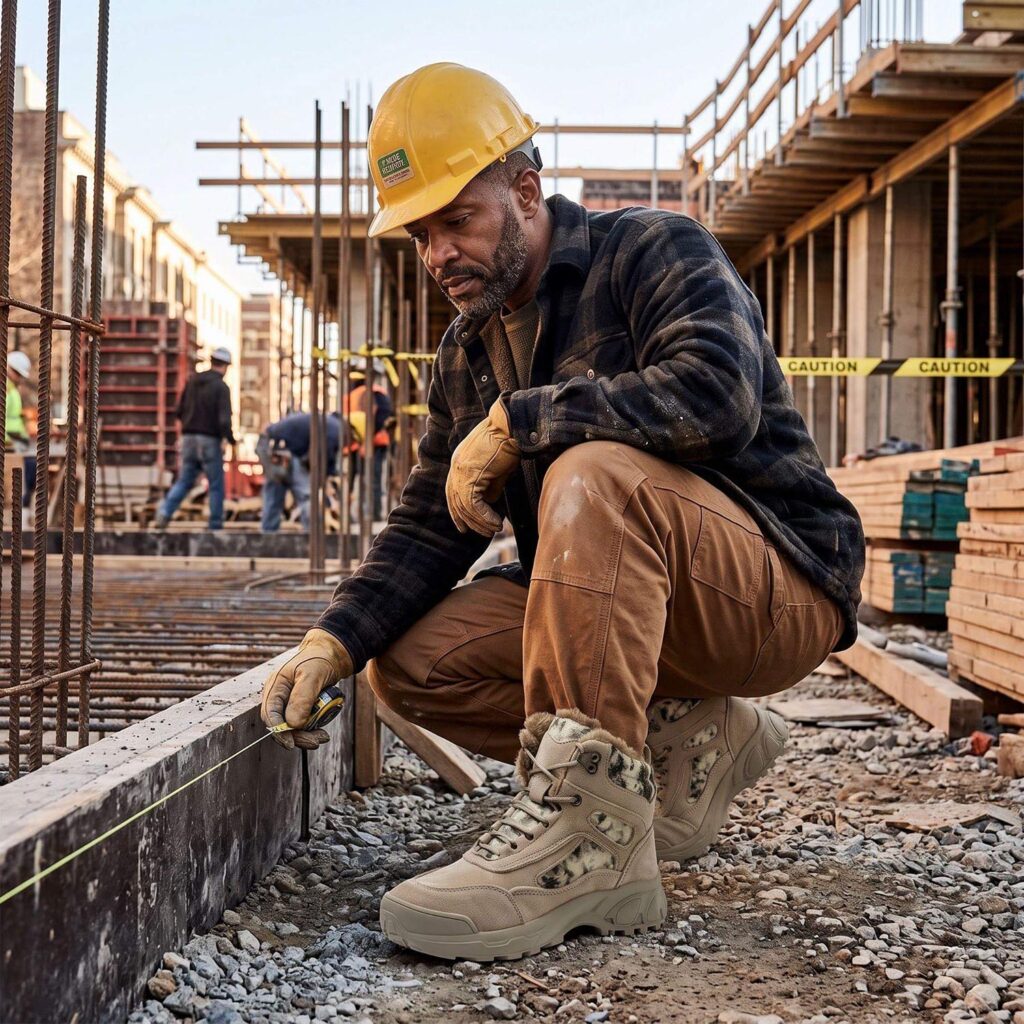
Sourcing reliable Private Label Safety Footwear often leads to inconsistent quality, certification failures, and delayed shipments. Need a partner who understands strict safety standards? This guide provides the exact roadmap you need.
The Challenge of Sourcing Custom Work Boots Today
Brands looking to launch their own safety footwear lines face a fragmented manufacturing market. Finding a factory is relatively easy. However, finding an OEM partner that meets rigorous safety protocols is difficult. Supply chains constantly face fluctuating costs for core materials like steel toes and puncture-resistant midsoles.
Many brands waste months on prototyping. Then, their bulk orders fail basic slip resistance or impact compression tests. Maintaining consistent quality control from the first sample to the final pair requires deep technical expertise. Without a reliable manufacturing process, brands risk product recalls, damaged reputations, and serious workplace injuries.
Step-by-Step Guide to Private Label Safety Footwear Manufacturing
Bringing a safety shoe to market requires a clear process. You must break production down into manageable phases.
1. Define the Application Scenario and Protection Level
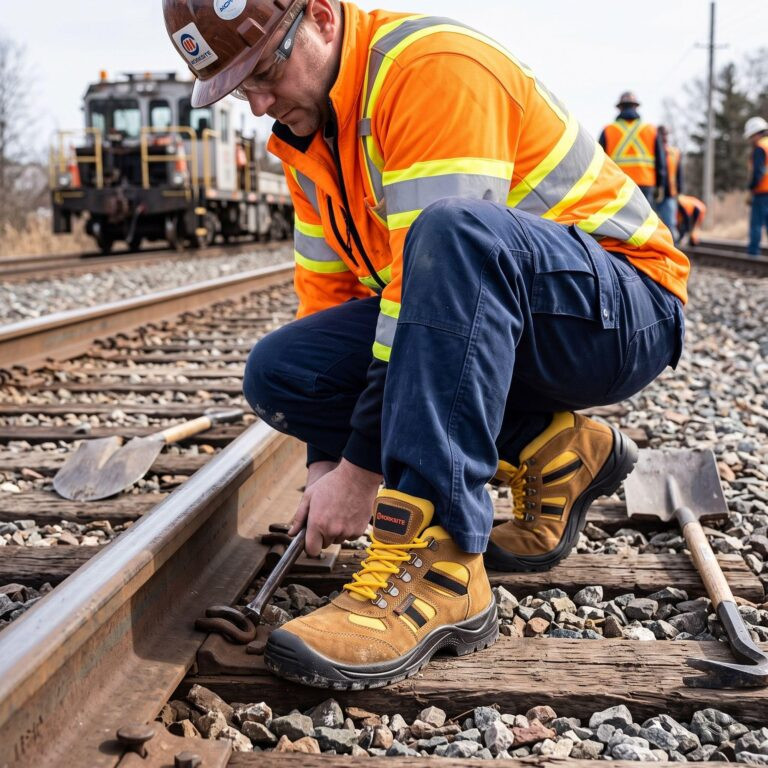
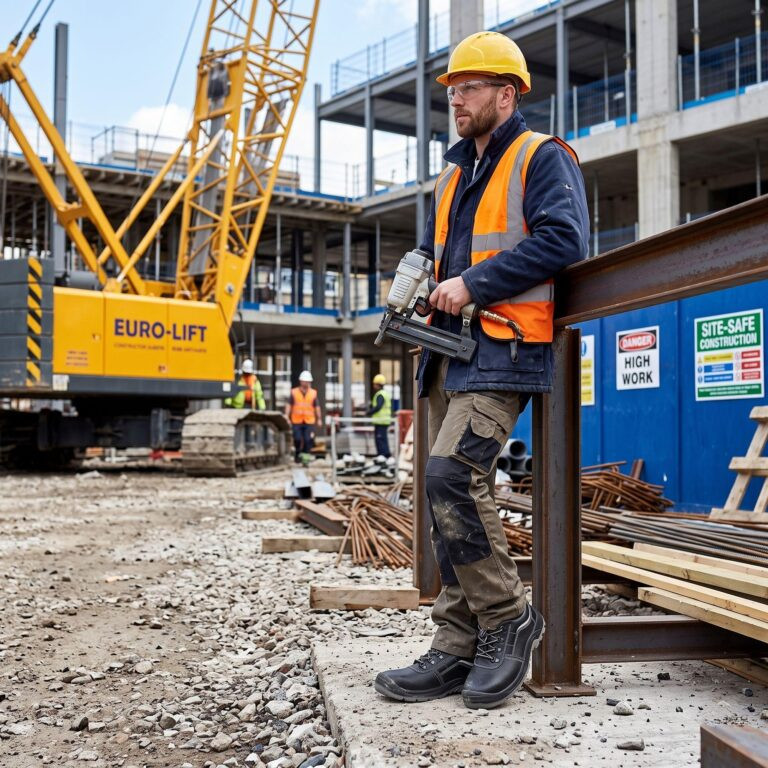
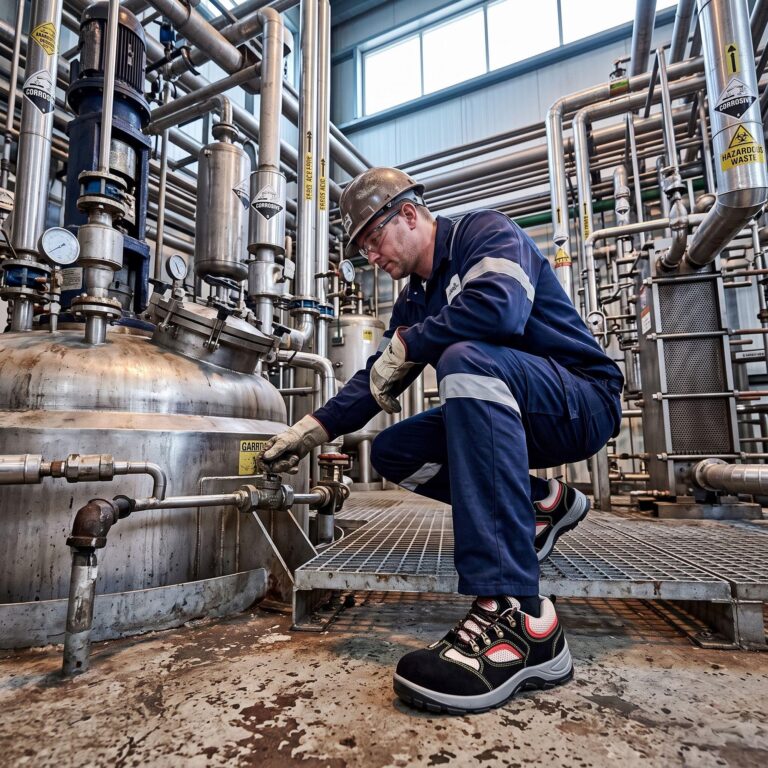
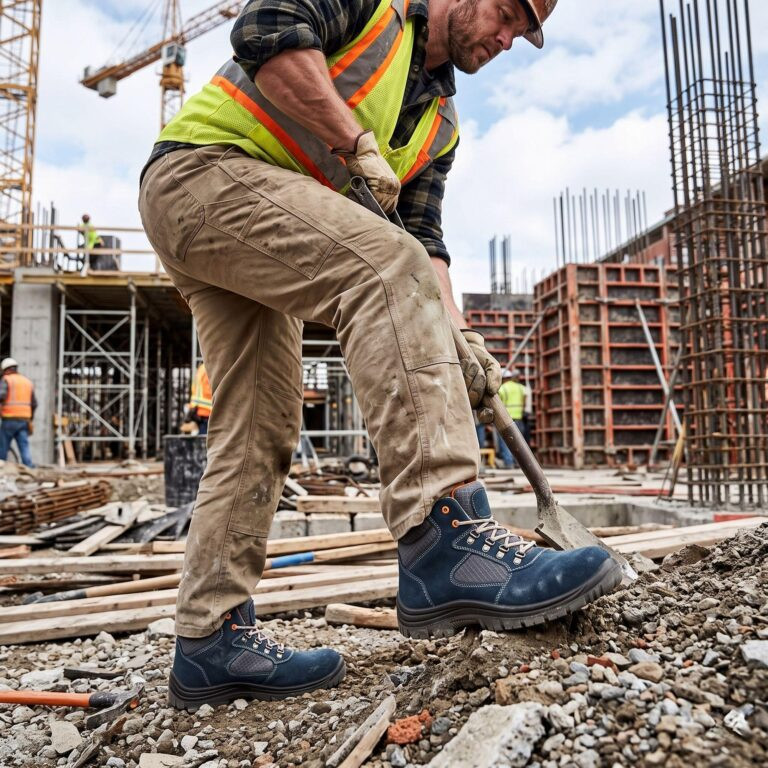
Before selecting materials, you must determine where the shoe will be worn. A warehouse worker requires lightweight comfort, making a breathable upper with a PU/PU injection sole ideal. Conversely, a heavy industry worker in a petrochemical plant needs maximum protection. This requires heat and chemical resistance. Water-repellent uppers paired with a robust PU/Rubber sole are also necessary.
2. Select the Right Construction Method
The sole construction defines the shoe’s lifespan and performance:
- PU/PU Injection: Highly cost-effective and provides excellent shock absorption. It is the go-to choice for indoor logistics and light outdoor work.
- Rubber Cemented & PU/Rubber: Offers superior durability, high heat resistance, and excellent grip. This is best for harsh environments, oil rigs, and high-temperature workshops.
- Goodyear Welted: The traditional standard for heavy-duty work boots. It provides extreme mechanical bonding strength and long-lasting durability in the toughest conditions.
3. Component and Material Sourcing
Never compromise on critical safety components. Specify whether your market demands traditional steel toe caps or lightweight fiberglass alternatives. The anti-penetration midsole must provide total foot coverage. Choose traditional steel or flexible non-metallic fabrics based on site hazards.
Upper materials require careful selection too. Full-grain leather offers maximum durability, while advanced microfibers provide excellent breathability.
4. Prototyping and Certification Testing
Before committing to mass production, physical samples must undergo stringent lab testing. This includes drop tests for impact resistance, compression tests, and outsole abrasion checks. Partner with a manufacturer familiar with European testing. This ensures your prototypes pass compliance checks smoothly and saves money.
Common Pitfalls in OEM Safety Shoe Production
Misunderstanding 1: Focusing solely on unit price. The cheapest factory quote usually hides compromised materials. For example, a low-grade PU outsole might suffer from hydrolysis. It can crumble after just six months in storage. Quality raw materials are essential for footwear longevity.
Misunderstanding 2: Assuming old certifications still apply. The safety footwear standard was significantly updated recently. Shoes certified under older 2011 standards may fail today. Current markets expect updated slip resistance and new puncture resistance categories.
Misunderstanding 3: Ignoring the shoe last design. A European foot shape is anatomically different from an Asian or North American foot shape. Using an incorrect shoe last results in severe wearer discomfort. If the boots hurt to wear, market feedback will be poor.
Key Takeaways for Private Label Safety Shoe Manufacturing
Brands must match the shoe’s construction method directly to the specific industrial application. Examples include PU/PU or Goodyear Welted.
Always ensure strict adherence to the latest CE EN ISO 20345:2022 standards. Prioritize high-quality components over the lowest price.
Work with a specialized manufacturer who handles internal tooling and compliance testing. This is the most secure way to launch a reliable brand.
Written by Hong Gu Safety Shoes Technical Team. This content is compiled from practical production, long-term field applications, and rigorous testing results.
Shan Dong Hong Gu Shoes Industrial Co., Ltd. is a leading safety footwear manufacturer based in China. We specialize in industrial foot protection with over 20 years of manufacturing expertise.
Products are fully certified under European standards (CE EN ISO 20345:2022). We offer a full range of manufacturing processes including PU/PU Injection, PU/Rubber, Goodyear Welted, and Rubber Cemented constructions.