
Choosing between steel plate and composite plate anti-puncture protection can affect worker safety, footwear weight, flexibility, and comfort. The right option depends on workplace hazards, required safety standards, and the conditions workers face during daily operations.
Why Does Anti-Puncture Plate Material Matter?
Sharp objects on industrial floors can penetrate footwear and injure the sole of the foot. Nails, metal fragments, broken machine components, and sharp construction debris are common hazards in manufacturing plants, warehouses, construction sites, and maintenance facilities.
Safety shoes use puncture-resistant midsoles to reduce this risk. Steel plates and composite plates are two common solutions. Both are designed to resist penetration, but they differ in material properties, construction, weight, and flexibility.
A steel anti-puncture plate is a metal insert integrated into the sole structure. It provides a rigid barrier against sharp objects. A composite anti-puncture plate uses non-metallic materials, which may include high-strength textile layers or other engineered structures. Its performance depends on the materials, layer arrangement, and manufacturing process.
Neither option is automatically suitable for every workplace. Buyers should compare the performance of the complete safety shoe rather than choosing based only on the name of the protective material.
Steel Plate vs. Composite Plate: Understanding the Differences
Puncture Resistance and Protection
Steel plates are widely used in industrial safety footwear because they provide a rigid metal barrier. Their puncture resistance depends on factors such as material thickness, plate shape, structural integrity, and the design of the finished shoe.
Composite plates can also provide effective puncture resistance when correctly engineered and tested. Some designs use multiple layers of high-strength fibers, while others use different reinforced non-metallic materials. Their protective performance depends on the specific construction and the test conditions.
A material label alone cannot establish which shoe provides better protection. The relevant question is whether the finished footwear meets the required puncture-resistance performance for its intended application.
Weight and Long-Term Comfort
Steel plates are generally heavier than comparable non-metallic inserts. This difference can become noticeable during long shifts involving continuous walking, standing, or climbing.
Composite plates are often selected when reducing footwear weight is a priority. A lighter protective midsole can reduce the overall shoe weight, although the final result also depends on the outsole, toe cap, upper materials, and construction method.
Weight is only one factor in comfort. Proper sizing, cushioning, arch support, breathability, and outsole flexibility also affect how workers feel after several hours on their feet.
For warehouse employees and logistics workers who walk long distances, a lightweight composite design may be worth evaluating. For other industrial applications, a steel plate may remain a suitable option if its weight and flexibility meet the requirements of the job.
Flexibility During Walking
Steel plates are relatively rigid and can influence how the sole bends during movement. Their shape, dimensions, and position within the footwear determine how much they affect walking flexibility.
Composite anti-puncture inserts can offer greater flexibility in some constructions. Textile-based designs, in particular, may follow the movement of the foot more naturally. This can be useful for workers who frequently walk, crouch, or climb.
However, not every composite plate is flexible, and not every steel-protected shoe feels stiff. The outsole compound, midsole structure, plate design, and overall footwear construction all influence flexibility.
When comparing products, buyers should assess how the shoe bends during normal walking and whether it maintains appropriate support under working conditions.
Metal Detection and Electrical Safety
Composite plates are non-metallic, making them useful in workplaces where reducing metal content in footwear is important. Certain facilities use metal detection systems for security or operational purposes, and non-metallic inserts may help meet their footwear requirements.
Steel plates contain metal and may interact with detection equipment, depending on the equipment’s sensitivity and configuration. A composite plate does not necessarily make the entire shoe metal-free, because other components may still contain metal.
Electrical safety requires separate attention. A non-metallic puncture-resistant plate does not automatically make footwear electrically insulating or suitable for electrical hazard protection. Electrical resistance depends on the complete footwear construction and the relevant testing requirements.
Workers exposed to electrical hazards must use footwear specifically tested and rated for the intended application. Material composition alone is not proof of electrical protection.
Temperature and Environmental Performance
Steel conducts heat and cold more readily than many non-metallic materials. Depending on the footwear construction and working environment, this characteristic may affect thermal comfort.
Composite materials vary significantly in their response to temperature, moisture, repeated flexing, and long-term wear. Their durability depends on the specific material system and manufacturing process.
For outdoor construction, cold storage, heavy manufacturing, and other demanding environments, buyers should review product specifications and test data. Neither steel nor composite materials should be assumed to perform better under every environmental condition.
How to Choose the Right Anti-Puncture Plate for Safety Shoes
1. Identify the Workplace Hazards
The selection process should begin with a practical assessment of the working environment. Identify the sharp objects workers may encounter, the surfaces they walk on, and how frequently puncture hazards occur.
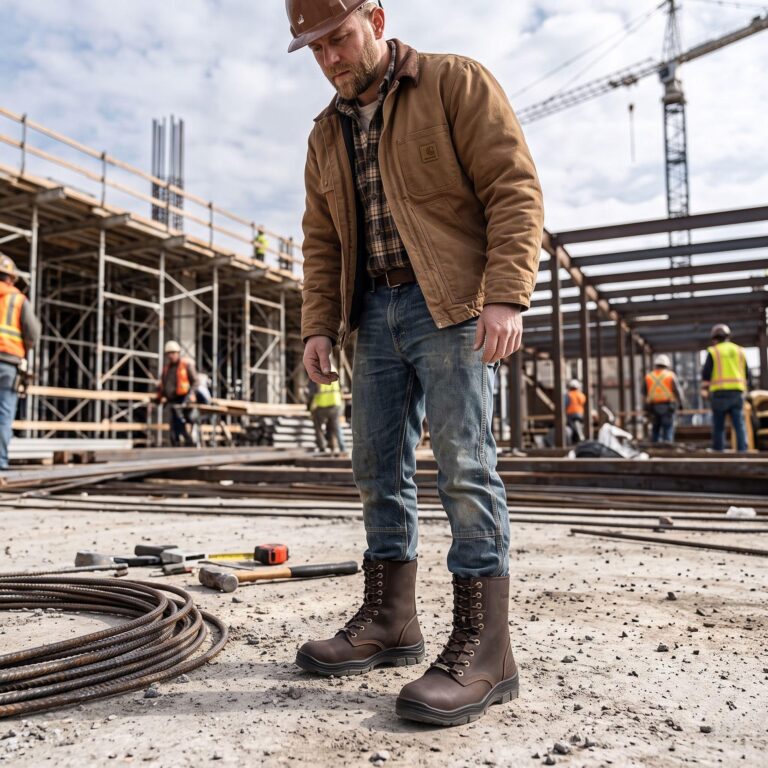
- Construction sites: Nails, metal scraps, and sharp debris may require reliable penetration resistance across the sole.
- Manufacturing facilities: Metal offcuts, machine components, and sharp materials can create puncture hazards.
- Warehouses and logistics centers: Lighter footwear may be beneficial when workers cover long distances and face floor-level hazards.
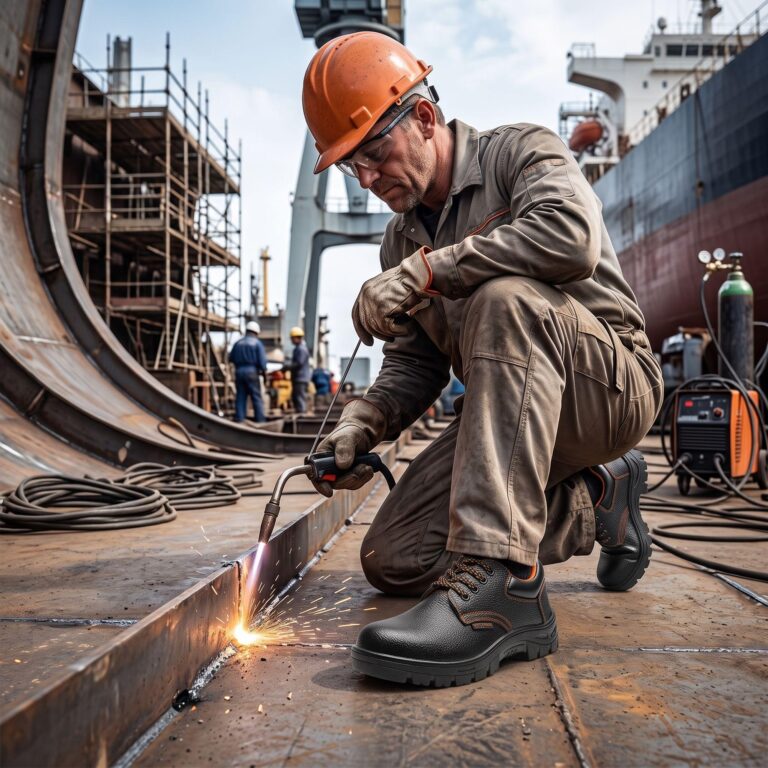
- Metalworking environments: The size, shape, and sharpness of metal debris should guide the required level of protection.
- Security-sensitive facilities: Non-metallic inserts may be preferable when footwear metal content affects screening procedures.
The risk assessment should also consider other hazards, including falling objects, slippery floors, chemicals, and electrical exposure. Puncture resistance is only one part of a complete safety footwear specification.
2. Check the Applicable Safety Standard
EN ISO 20345 is an important reference for safety footwear in European markets. Buyers should confirm that the finished footwear meets the applicable edition and the required protection classification.
EN ISO 20345:2022 specifies requirements for safety footwear, including protection against defined mechanical hazards. Puncture resistance is assessed using standardized test methods and specified test conditions.
Buyers should pay attention to the declared protection category and the applicable puncture-resistance requirements. A steel or composite insert does not establish compliance on its own. Certification and test documentation must correspond to the finished footwear model and its declared performance.
For other markets, purchasers should also check local regulations and customer specifications. Requirements can differ according to the destination market, industry, and intended use.
3. Compare Test Results and Technical Documentation
When comparing steel plate and composite plate safety shoes, request documentation for the exact models being considered. Useful information includes:
- Puncture-resistance test results and the applicable test method.
- The declared safety footwear classification.
- Protective midsole material and construction details.
- Product weight and available size range.
- Flexibility and durability test information, where applicable.
- Restrictions on use, maintenance, and replacement.
If two products meet the same standard, examine their actual specifications and suitability for the job. A lighter shoe may be preferable for workers who walk throughout the day, while another design may better meet specific workplace durability requirements.
Manufacturers should be able to explain how the protective insert is integrated into the footwear and provide relevant evidence of product conformity.
4. Evaluate the Complete Safety Shoe
The anti-puncture plate is only one component of a safety shoe. Outsole grip, cushioning, fit, toe protection, upper durability, and resistance to workplace contaminants also influence suitability.
A lightweight composite plate may be attractive for workers who spend long periods walking. A steel plate may suit applications where a traditional rigid metal structure meets the required protection and comfort needs.
Buyers should also consider how the footwear performs after repeated use. A shoe that meets the required safety standard but fits poorly may reduce worker acceptance. Where practical, wear trials can help identify pressure points, fitting issues, and comfort problems under representative working conditions.
The final selection should balance verified protection, comfort, durability, and the demands of the job.
Common Mistakes When Comparing Steel and Composite Plates
Assuming Steel Always Provides Better Protection
Steel is a strong and widely used material, but puncture resistance is not determined by material type alone. Plate design, thickness, construction, and test performance all matter.
A properly engineered composite insert may meet the required puncture-resistance level for a particular application. Buyers should compare verified product performance rather than assume that one material is always superior.
Assuming Composite Plates Are Always Lighter and More Flexible
Composite constructions vary. Some non-metallic inserts are lightweight and flexible, while others are relatively rigid. The total weight of the finished shoe also depends on the outsole, upper, toe cap, and other components.
Compare the actual weight and construction of the complete footwear model. Product specifications are more reliable than broad assumptions about material categories.
Confusing Puncture Resistance with Other Safety Features
Anti-puncture protection addresses a specific mechanical hazard. It does not replace impact-resistant toe protection, slip resistance, electrical hazard protection, or other required safety features.
For example, a shoe with a composite puncture-resistant midsole may still contain a steel toe cap. Likewise, a shoe without metal components is not automatically suitable for electrical work.
Each protective feature should be verified against the relevant requirements for the workplace.
Ignoring Certification and Production Consistency
A sample that performs well does not prove that every production batch meets the same requirements. Manufacturers need appropriate quality-control procedures, traceability, and product testing.
For bulk purchases, buyers should confirm that the tested model, supplied footwear, and technical documentation match. Changes to materials or construction may affect product performance and should be assessed before the revised footwear is supplied.
Frequently Asked Questions About Steel and Composite Anti-Puncture Plates
Is a steel plate or composite plate better for anti-puncture protection?
Neither material is universally better. Steel provides a rigid metallic barrier, while composite designs can offer effective puncture resistance with potential advantages in weight and flexibility. The appropriate choice depends on verified test performance, workplace hazards, and applicable safety requirements.
Are composite anti-puncture plates suitable for construction workers?
Yes, provided the finished safety footwear meets the required puncture-resistance standard and suits the site hazards. Construction companies should evaluate sharp debris, ground conditions, footwear durability, and other protective features before selecting a model.
Do composite plates make safety shoes metal-free?
Not necessarily. A composite anti-puncture plate is non-metallic, but the shoe may contain metal toe caps, eyelets, fasteners, or other components. Buyers who require metal-free footwear should verify the specifications of the entire product.
Does a composite anti-puncture plate provide electrical insulation?
No automatic assumption should be made. Non-metallic construction alone does not establish electrical insulation or protection against electrical hazards. The complete shoe must be tested and rated for the intended application.
Which anti-puncture plate is better for workers who walk all day?
Composite plates may be suitable when low weight and flexibility are priorities. However, comfort also depends on fit, cushioning, outsole design, and support. Comparing product specifications and conducting wear trials can help determine which model works best.
Making an Informed Anti-Puncture Plate Selection
Steel and composite anti-puncture plates both have a place in industrial safety footwear. Steel provides a rigid metallic protective structure, while composite designs can offer weight and flexibility advantages depending on their construction.
For procurement teams, the decision should begin with a workplace risk assessment and the applicable safety standard. Compare certified footwear models, review test documentation, and evaluate comfort and durability under realistic working conditions. The material should support the required level of protection rather than replace objective performance testing.
The most suitable safety shoe is one that meets the relevant safety requirements, fits the working environment, and remains comfortable enough for consistent use throughout the workday.
Written by Hong Gu Safety Shoes Technical Team, this content is compiled from practical production, long-term field applications, and rigorous testing results.
Shan Dong Hong Gu Shoes Industrial Co., Ltd. is a leading safety footwear manufacturer based in China, specializing in industrial foot protection with over 20 years of manufacturing expertise.
Products are fully certified under European standards (CE EN ISO 20345:2022), offering a full range of manufacturing processes including PU/PU Injection, PU/Rubber, Goodyear Welted, and Rubber Cemented constructions.