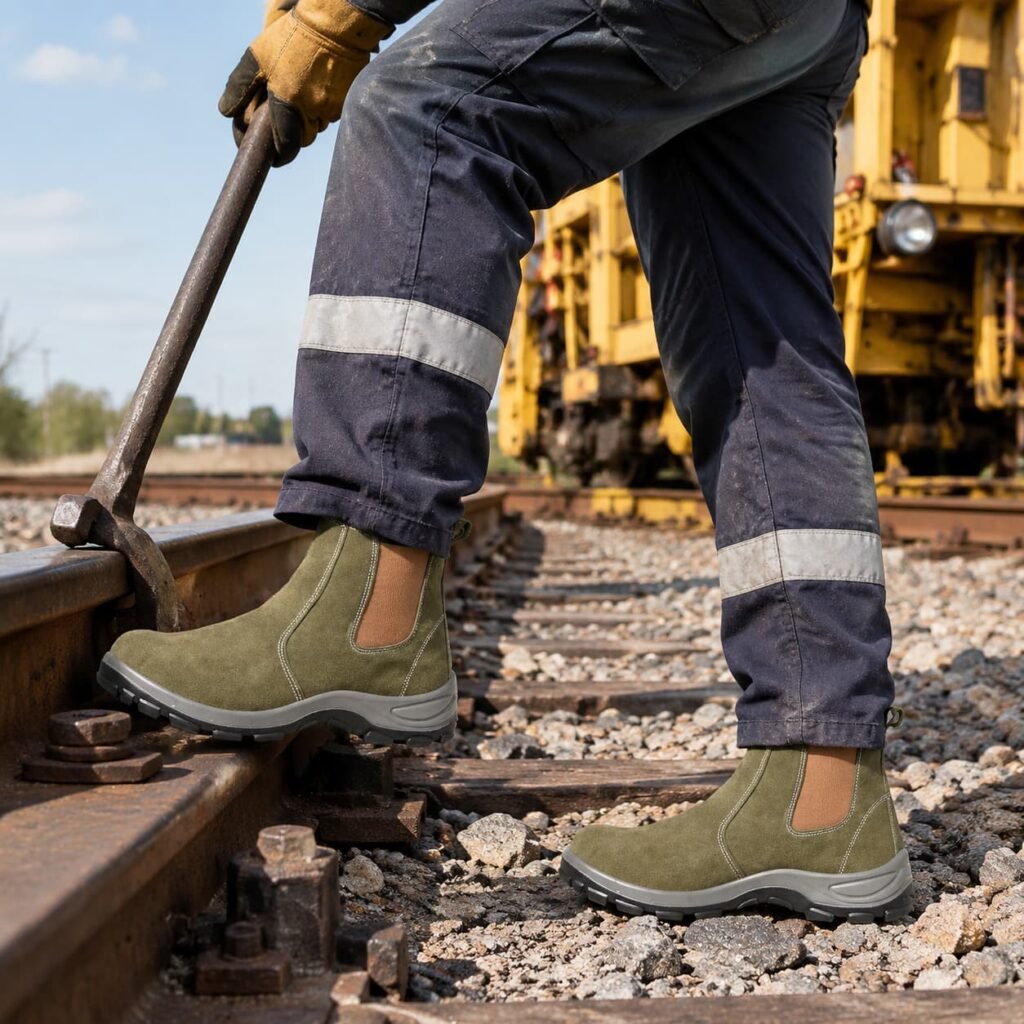
Choosing the right safety footwear requires more than selecting a protective toe cap. To Choose Safety Shoes for Your Workforce, employers must consider workplace hazards, applicable safety standards, outsole performance, fit, and working conditions. The right footwear helps reduce injury risks while supporting comfort throughout the workday.
Understand Workplace Hazards Before Selecting Safety Shoes
Different jobs expose workers to different types of foot injuries. A pair of safety shoes designed for a warehouse may not provide the protection needed in a chemical processing plant or on a construction site.
Before purchasing safety footwear, assess the actual working environment. Pay attention to falling objects, sharp materials, slippery floors, electrical hazards, chemical exposure, and prolonged standing or walking.
Common workplace hazards include:
- Impact and compression: Heavy tools, metal components, and falling materials can injure the toes. Safety shoes with an appropriate protective toe cap help reduce these risks.
- Puncture hazards: Nails, metal fragments, and sharp debris may penetrate the outsole. Puncture-resistant footwear is important where these materials are present.
- Slippery surfaces: Oil, water, grease, and industrial fluids can increase the risk of slips. Select outsoles tested for the relevant slip hazards.
- Electrical risks: Some tasks require electrically insulating footwear, while others require electrostatic dissipative or antistatic properties. These functions are different and must not be treated as interchangeable.
- Chemical exposure: Workers handling chemicals may need footwear with specific resistance to the substances involved. General-purpose safety shoes do not automatically provide chemical protection.
- Heat and demanding working conditions: Foundries, welding operations, and outdoor industrial sites may require heat-resistant soles, protective uppers, or other specialized features.
A workplace risk assessment should determine which protective features are necessary. This prevents companies from buying footwear that lacks essential protection or includes features that do not address their actual risks.
How to Choose the Right Safety Shoes
1. Check the Applicable Safety Standards
Safety shoe certification provides a starting point for evaluating protective performance. Buyers should identify the regulations and standards required in the country where the footwear will be used.
In Europe, EN ISO 20345 specifies requirements for safety footwear, including toe protection and additional performance requirements. The 2022 edition introduced updated requirements and classifications, so procurement teams should check the exact standard edition and applicable conformity documentation.
In the United States, ASTM F2413 covers performance requirements for protective footwear. Employers should also review applicable occupational safety regulations and workplace-specific requirements.
Certification should be verified against the actual product model and its intended protective features. A manufacturer’s general statement about compliance is not a substitute for appropriate documentation.
2. Select the Appropriate Toe Protection
The protective toe cap is one of the most important components of industrial safety footwear. Common options include steel, composite materials, and other approved protective materials.
Steel toe caps offer strong impact and compression protection with a relatively compact design. Composite toe caps can reduce weight and do not conduct heat or cold as readily as steel. However, neither material is automatically better for every application.
When comparing safety shoes, check the tested protection level, internal toe-cap clearance, footwear weight, and compatibility with the working environment. The selected model must meet the required standard regardless of the toe-cap material.
3. Match the Outsole to the Working Surface
The outsole affects traction, durability, stability, and resistance to workplace contaminants. Its material and construction should match the floor conditions and exposure risks.
| Outsole material or construction | Typical application considerations |
|---|---|
| PU (polyurethane) | Often selected for lightweight footwear, cushioning, and general industrial use |
| Rubber | Useful where heat resistance, abrasion resistance, or demanding surface conditions are important, depending on the formulation |
| PU/Rubber dual-density construction | Can combine a cushioning midsole with a durable rubber outsole |
| Oil-resistant outsole | Appropriate when the tested product meets the requirements for the relevant oil exposure |
| Slip-resistant outsole | Should be selected based on applicable test results and the actual floor conditions |
Material names alone do not establish performance. Two rubber outsoles, for example, may behave differently depending on their compounds, tread patterns, and testing results.
For wet production floors, warehouses, and workshops, check slip-resistance test information rather than relying only on descriptions such as “non-slip.” Where hot surfaces are present, verify the relevant heat-resistance rating and operating limitations.
4. Consider Comfort, Fit, and Daily Wear
Safety shoes may need to be worn for eight hours or longer. Poor fit can cause blisters, pressure points, foot fatigue, and discomfort that affects workers throughout their shifts.
When selecting safety footwear, evaluate the following details:
- Toe-box space: Workers should have sufficient room to move their toes without pressing against the protective cap.
- Heel stability: The heel should remain secure during walking without excessive slipping.
- Arch and cushioning support: Insoles and midsoles should provide suitable support for the worker’s activities and standing duration.
- Breathability: Upper materials and lining construction should suit the temperature, humidity, and ventilation of the workplace.
- Footwear weight: Lighter shoes may reduce the burden of repeated walking, provided they still meet the required protection standards.
Sizing also deserves attention. Workers may have different foot widths, instep heights, and preferences for socks or orthotic insoles. A fitting trial across representative workers can help identify problems before a large purchase.
5. Match the Shoe Design to the Job
The best safety shoes for a workforce are not necessarily the same model for every department. Different working conditions call for different combinations of protective features.
Examples of footwear selection by application
Warehouses and logistics
Choose lightweight safety shoes with appropriate toe protection, reliable traction, and cushioning for frequent walking. Consider puncture resistance where damaged pallets or sharp debris are present.
Construction sites
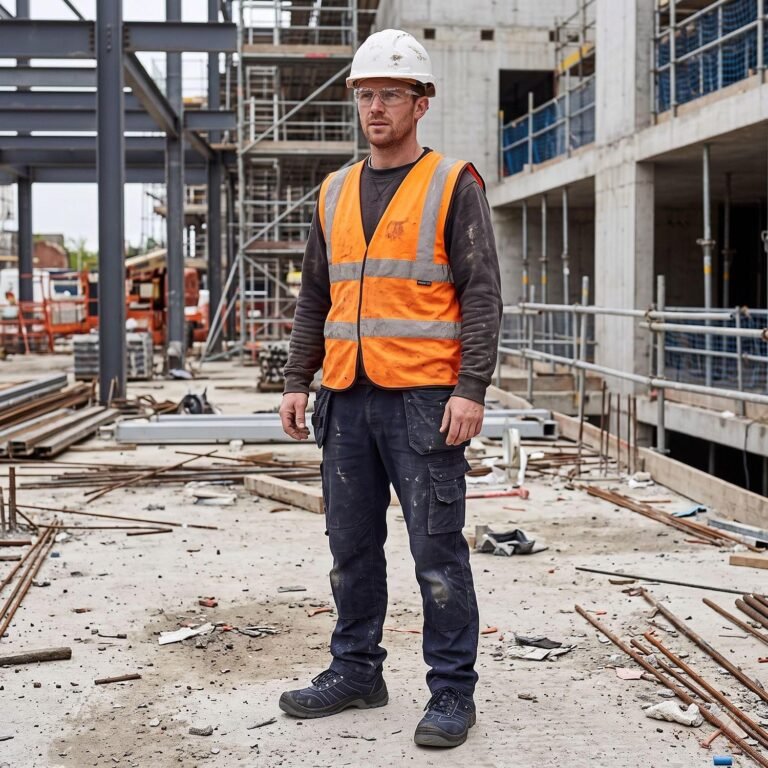
Evaluate impact and compression protection, puncture resistance, ankle coverage, and outsole grip. The exact requirements depend on site hazards and employer rules.
Manufacturing plants
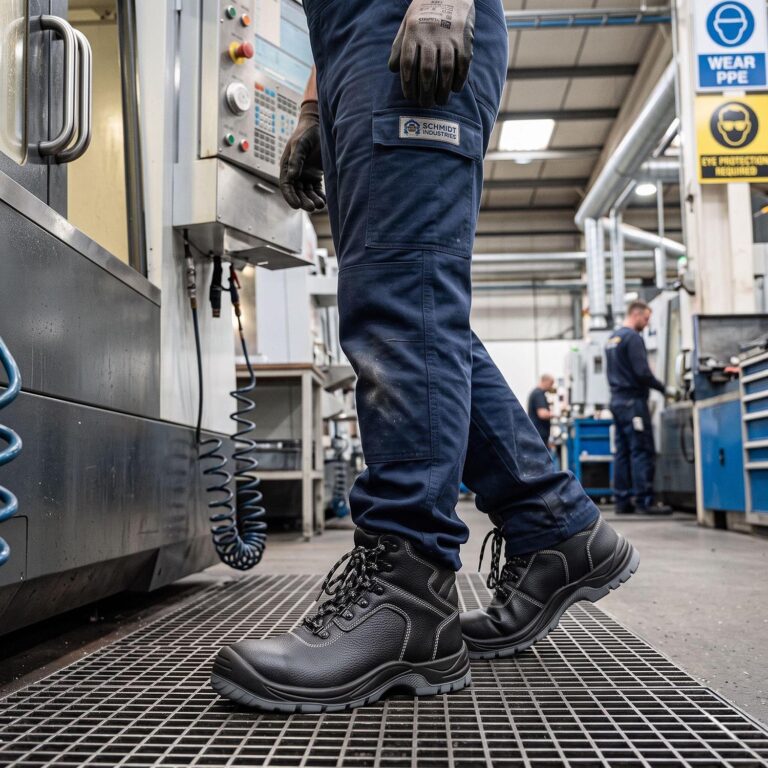
Select footwear according to machinery hazards, dropped components, floor contamination, and the need for antistatic or other electrical properties.
Chemical processing facilities
Assess chemical compatibility, liquid penetration, outsole grip, and cleaning requirements. Choose materials tested for the specific substances and exposure conditions.
These examples are starting points, not universal specifications. Employers should confirm that each selected model meets the applicable workplace risk assessment and regulatory requirements.
Common Mistakes When Purchasing Safety Footwear
Several purchasing decisions can reduce the effectiveness of a safety footwear program.
Choosing by price alone. A low purchase price may not reflect service life, replacement frequency, or worker comfort. Compare the total cost of ownership, including maintenance, replacement, and downtime associated with unsuitable footwear.
Assuming every safety shoe provides the same protection. A protective toe cap does not automatically mean that footwear is puncture-resistant, electrically insulating, antistatic, or suitable for chemical exposure. Check each required feature individually.
Ignoring the intended use of certification. Confirm the product’s markings, test documentation, applicable standard edition, and any limitations. Do not assume that certification for one hazard covers every workplace risk.
Buying in bulk without testing samples. A product may meet the technical specification but still fit some workers poorly. Trial samples, wear assessments, and feedback from different departments can help identify issues before a large order.
Overlooking maintenance and replacement. Damaged outsoles, worn tread, split uppers, or exposed protective components can compromise footwear performance. Establish inspection procedures and replace footwear when its protective condition no longer meets requirements.
How Can Employers Evaluate a Safety Shoe Manufacturer?
For procurement teams and distributors, selecting the right manufacturer is another important part of the process. Product specifications should be supported by reliable documentation and consistent manufacturing quality.
Review the following points before placing an order:
- Product testing and certification: Request documentation relevant to the exact model, including applicable standards and protective classifications.
- Material and construction options: Check whether the manufacturer can supply suitable toe protection, outsole compounds, upper materials, and footwear constructions for the intended application.
- Quality control: Ask about incoming material inspection, production checks, finished-product inspection, and batch traceability.
- Sizing and product consistency: Confirm available size ranges, fit specifications, and procedures for maintaining consistent quality across repeat orders.
- Sample evaluation: Test representative samples under realistic working conditions before approving bulk production.
- Technical communication: Make sure the manufacturer can explain product limitations, testing methods, care requirements, and the documentation supplied with the footwear.
For bulk procurement, these checks help establish whether a product is suitable for the workforce and whether the manufacturer can support ongoing supply requirements.
What Is the Best Way to Choose Safety Shoes for Your Workforce?
The best safety shoes are those that match the identified workplace hazards, meet applicable safety standards, fit workers properly, and perform reliably under actual operating conditions. Employers should assess risks first, compare protective features and test documentation, evaluate comfort through sample trials, and establish regular inspection and replacement procedures. A structured selection process helps businesses balance worker protection, durability, comfort, and purchasing costs.
Written by Hong Gu Safety Shoes Technical Team, this content is compiled from practical production, long-term field applications, and rigorous testing results.
Shan Dong Hong Gu Shoes Industrial Co., Ltd. is a leading safety footwear manufacturer based in China, specializing in industrial foot protection with over 20 years of manufacturing expertise.
Products are fully certified under European standards (CE EN ISO 20345:2022), offering a full range of manufacturing processes including PU/PU Injection, PU/Rubber, Goodyear Welted, and Rubber Cemented constructions.