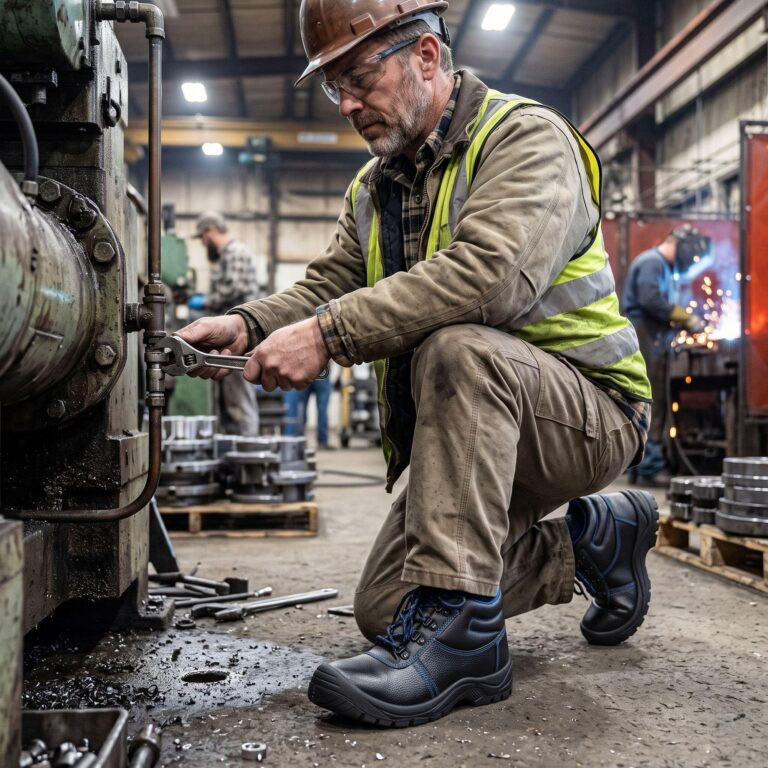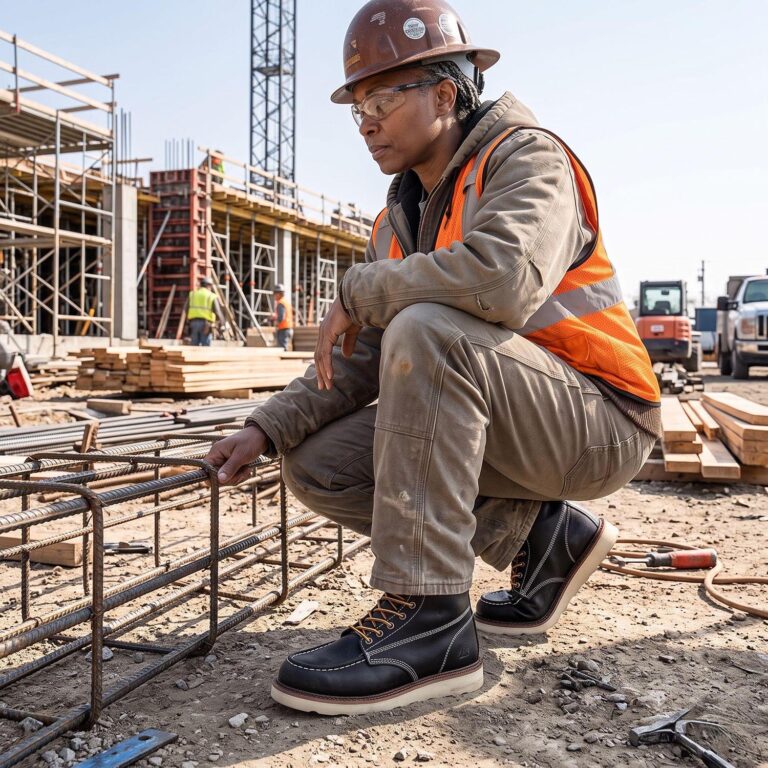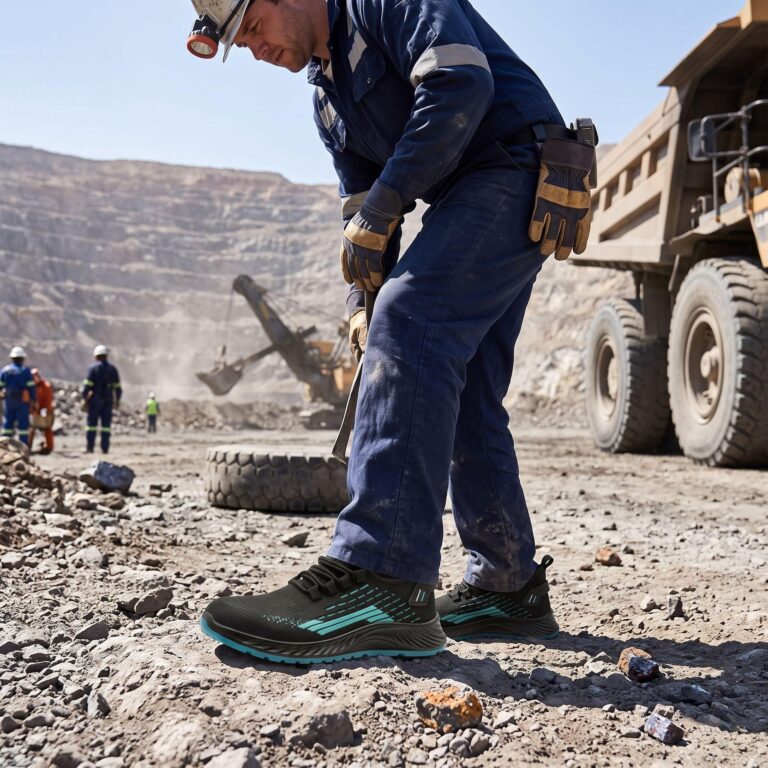
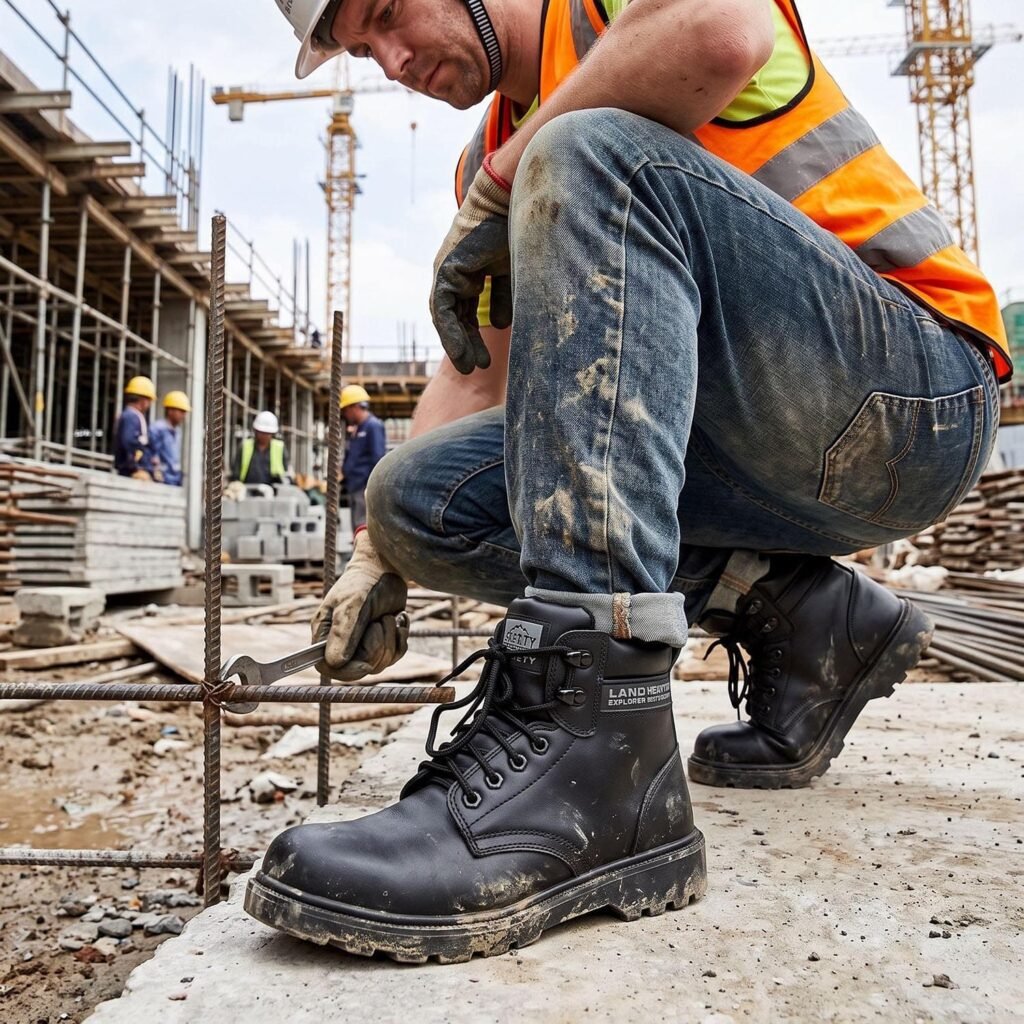
Workers who wear safety shoes for long hours often experience sweaty feet, heat buildup, and discomfort during daily operations. Breathable safety shoes use specialized materials and structural designs to improve airflow while maintaining necessary protection performance for different working environments.
Why Breathability Matters in Safety Shoes
Many workplaces require employees to wear protective footwear throughout the entire working day. Traditional safety shoes mainly focus on impact protection, puncture resistance, and durability. However, long periods of standing and walking increase heat and moisture inside the footwear, making ventilation an important factor in overall comfort.
Manufacturing, warehousing, logistics, electronics assembly, and construction industries often require workers to wear safety shoes for extended periods. These environments involve continuous movement, physical activity, and different temperature conditions, which can increase sweating and reduce wearing comfort.
Breathable safety shoes help manage moisture and heat through material selection, lining systems, and airflow-focused designs. A well-designed safety shoe should balance ventilation with protection features required for workplace hazards.
Materials and Technologies Used in Breathable Safety Shoes
The breathability of safety footwear depends on the combination of upper materials, inner lining, insole structure, and sole construction.
Breathable Safety Shoe Upper Materials
The upper directly affects airflow, flexibility, and moisture control. Manufacturers commonly use different materials to improve ventilation while maintaining durability.
Mesh Fabric
Many manufacturers use mesh fabric in lightweight safety shoes because its open structure allows air circulation. Mesh materials help reduce heat accumulation and improve comfort during long working hours.
However, mesh alone may not provide enough protection in harsh environments. Safety shoe manufacturers often combine mesh sections with reinforced layers to improve abrasion resistance and structural support.
Microfiber Materials
Microfiber has become a popular material choice for breathable safety footwear. Compared with traditional leather, microfiber provides lighter weight, flexible performance, and easier maintenance.
High-quality microfiber materials can offer good abrasion resistance while allowing manufacturers to create comfortable safety shoes for indoor and semi-outdoor workplaces.
Perforated Leather
Some safety shoes use perforated leather to improve ventilation. Small holes in the upper structure allow heat and moisture to escape while maintaining the strength of the material.
This design works well for workplaces that require durable footwear but also need better airflow.
Design Technologies That Improve Ventilation
Material selection plays an important role, but footwear structure also determines how effectively a safety shoe manages heat and moisture.
Moisture-Control Lining Systems
The lining contacts the worker’s foot directly, so moisture absorption and drying performance affect daily comfort. Many safety shoe designs use breathable lining materials that help move sweat away from the skin.
A suitable lining system can reduce the uncomfortable feeling caused by moisture buildup during long shifts.
Airflow Insole Design
Manufacturers can improve ventilation by adding airflow channels or porous structures inside the insole. These designs create small spaces that help air move between the foot and the sole.
Some breathable insoles also include shock-absorbing materials to improve walking comfort and reduce foot fatigue.
Lightweight Sole Construction
The outsole affects both comfort and safety performance. Lightweight PU soles and PU/rubber combination soles help reduce shoe weight while maintaining slip resistance and durability.
Different workplaces require different sole structures. Warehouse workers may need flexible and lightweight designs, while outdoor workers often require stronger abrasion resistance and better protection against complex ground conditions.
How to Choose Breathable Safety Shoes for Different Applications
Choosing suitable breathable safety shoes requires evaluating workplace risks, wearing time, and environmental conditions.
For indoor manufacturing environments, workers often prefer lightweight designs with mesh or microfiber uppers because these materials provide flexibility and ventilation during long shifts.
For construction sites and outdoor workplaces, buyers should consider additional protection features, including:
- Steel toe cap or composite toe cap protection
- Slip-resistant outsole performance
- Puncture-resistant midsole
- Water resistance requirements
- Anti-static or ESD protection when necessary
Electronics assembly workers may need breathable safety shoes with ESD performance to help control static electricity and protect sensitive equipment.
Manufacturers should ensure that safety footwear meets relevant requirements, such as CE EN ISO 20345:2022, which specifies requirements for protective footwear, including toe protection, slip resistance, and other safety characteristics.
Common Mistakes When Selecting Breathable Safety Shoes
One common mistake involves choosing safety shoes only according to ventilation performance. A highly breathable material may not suit workplaces with heavy impact risks, sharp objects, or extreme outdoor conditions.
Another mistake involves focusing only on appearance or lightweight feeling. Buyers should evaluate several factors before purchasing:
- Workplace hazards
- Required protection level
- Daily wearing duration
- Climate conditions
- Material durability
- Sole performance
Proper maintenance also affects the service life of breathable safety shoes. Regular cleaning, correct drying methods, and avoiding long-term storage in humid areas help maintain material performance.
What Are Breathable Safety Shoes?
Breathable safety shoes are protective footwear that combines ventilation-focused materials and structural technologies to improve airflow, reduce moisture buildup, and provide better comfort during long working hours. Manufacturers usually combine breathable uppers, moisture-managing linings, ventilation insoles, and protective components such as toe caps and slip-resistant soles to meet workplace safety requirements.
The right breathable safety shoes should balance airflow, protection, durability, and workplace conditions. Good ventilation does not replace safety performance. Instead, effective designs combine comfortable materials with reliable protective structures to support workers in different industries.
Written by Hong Gu Safety Shoes Technical Team, this content is compiled from practical production, long-term field applications, and rigorous testing results.
Shan Dong Hong Gu Shoes Industrial Co., Ltd. is a leading safety footwear manufacturer based in China, specializing in industrial foot protection with over 20 years of manufacturing expertise.
Products are fully certified under European standards (CE EN ISO 20345:2022), offering a full range of manufacturing processes including PU/PU Injection, PU/Rubber, Goodyear Welted, and Rubber Cemented constructions.