
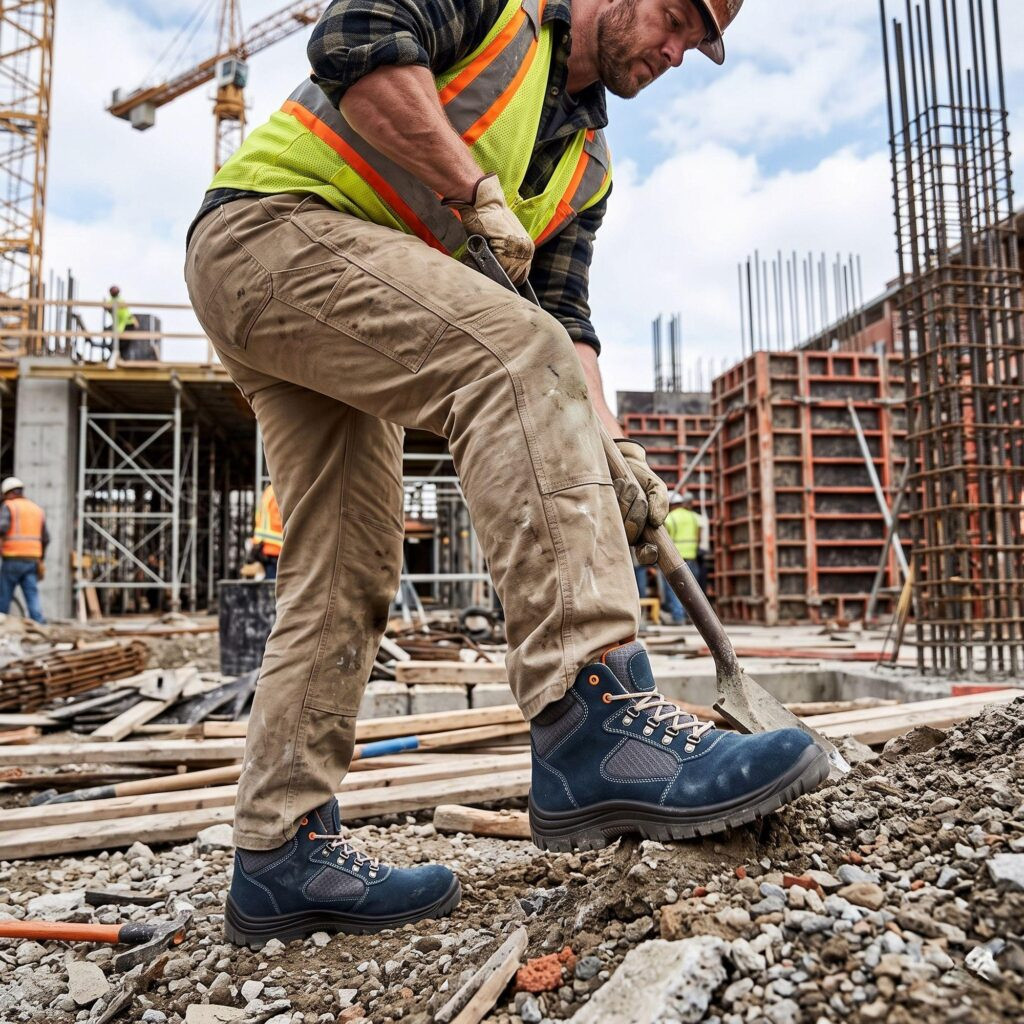
The safety shoe distribution business is changing as workplace safety requirements, industrial expansion, and buyer expectations continue to evolve. Distributors now need more than product availability. They need reliable compliance, suitable product ranges, stable supply, and technical support.
Current Market Trends in Safety Shoe Distribution
Safety footwear remains an important part of occupational foot protection in industries such as construction, manufacturing, logistics, warehousing, mining, energy, and engineering. As workplace safety management becomes more systematic, companies are paying closer attention to footwear performance, certification, durability, and application requirements.
For distributors, this creates opportunities beyond traditional wholesale sales. Buyers increasingly expect safety shoes to match specific working environments rather than simply meet a basic protection requirement.
Common product requirements include:
- Steel or composite toe protection
- Anti-puncture midsoles
- Slip-resistant outsoles
- Antistatic performance
- Fuel oil resistance
- Heat-resistant outsoles
- Water-resistant uppers
- Lightweight construction
- Breathable materials
- Electrical hazard protection where applicable
The European market is also placing greater attention on EN ISO 20345:2022. Safety footwear certified to this standard may include classifications such as SB, S1, S1P, S2, S3, S4, and S5, depending on the protection features and construction.
This creates a clear opportunity for distributors that understand technical specifications and can recommend products according to the customer’s working conditions.
Where Future Distribution Opportunities May Come From
1. Industry-specific safety footwear
A single safety shoe model cannot meet every workplace requirement.
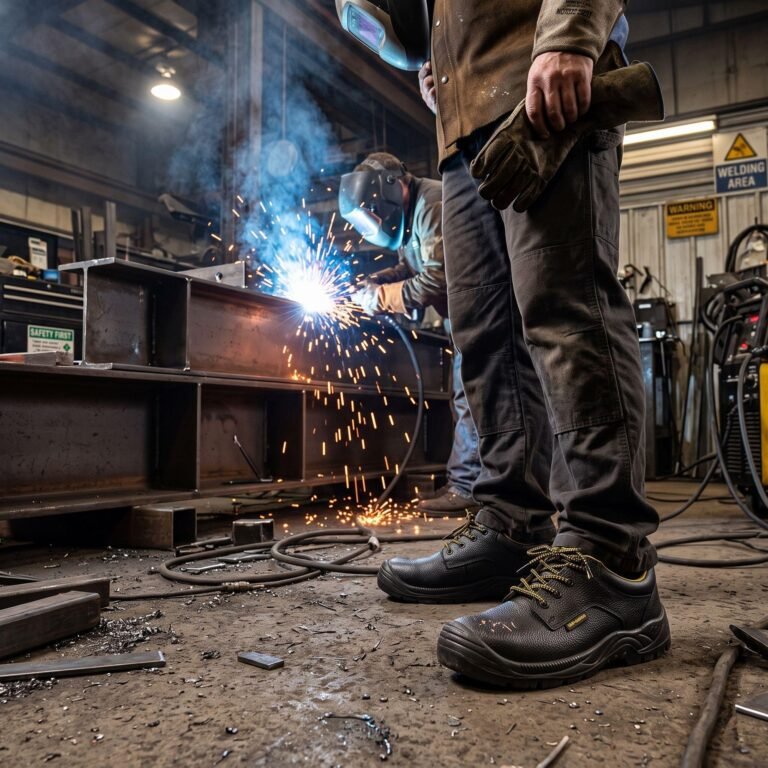
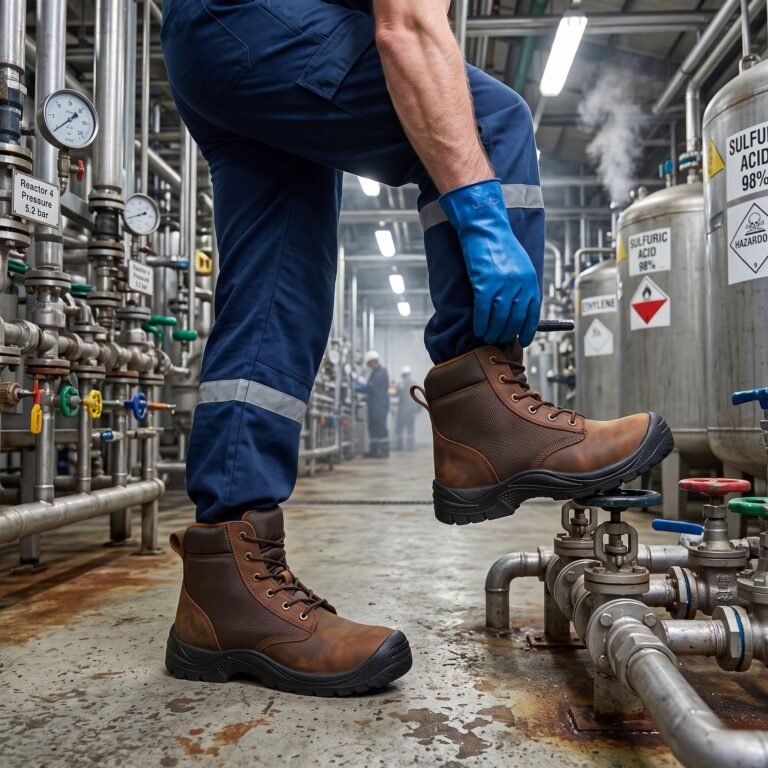
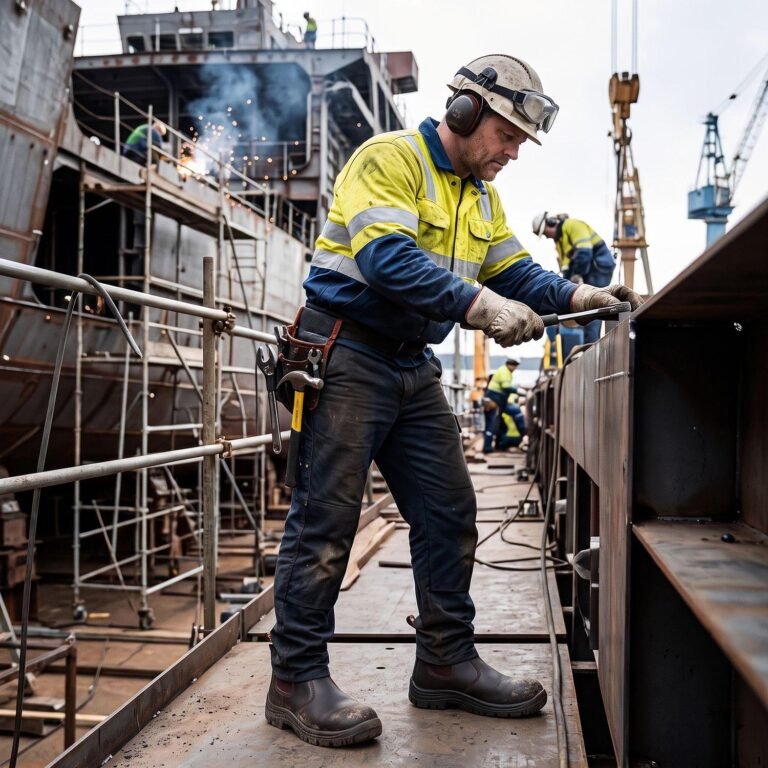
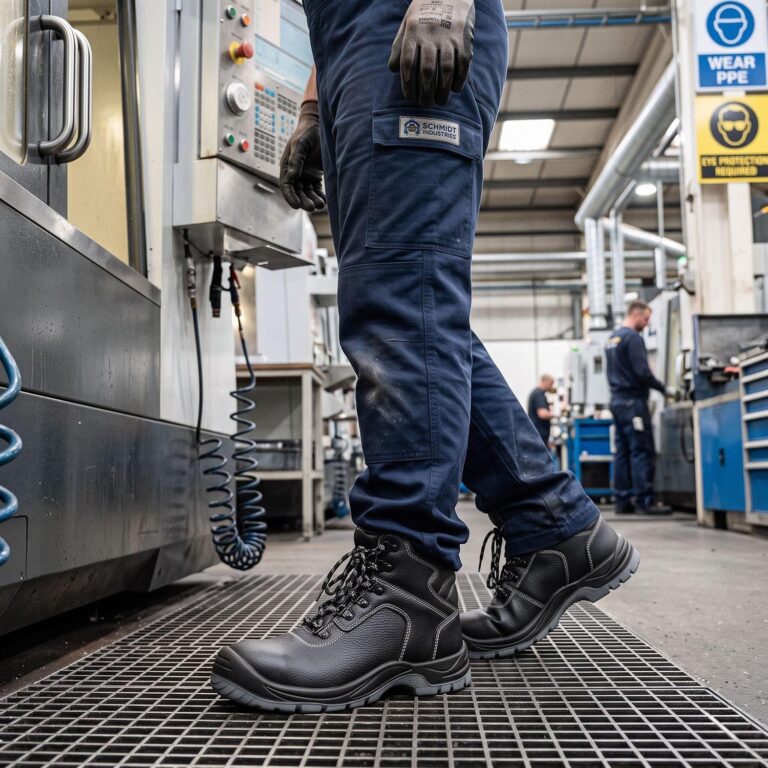
Construction workers may need toe protection, puncture resistance, and slip resistance. Warehouse workers may prioritize lightweight designs and long wearing comfort. Workers in hot industrial environments may need heat-resistant outsole materials.
Distributors can build stronger product portfolios by organizing safety shoes according to application rather than only by appearance or price.
2. Demand for lightweight safety shoes
Traditional steel toe safety shoes can provide strong impact and compression protection, but weight and comfort remain important purchasing considerations.
Composite toe caps, modern textile uppers, engineered insoles, and lightweight outsole compounds are creating additional product opportunities.
For distributors, lightweight safety shoes can serve workplaces where employees wear protective footwear for eight to twelve hours per shift.
3. Compliance-focused purchasing
Safety footwear buyers increasingly need documentation that supports workplace safety programs.
Important documents may include:
- CE documentation
- EN ISO 20345 test and certification information
- Material specifications
- Product technical sheets
- Size charts
- Test reports
- Packaging specifications
- Batch and production information
Distributors that can provide accurate technical documentation have an advantage when dealing with industrial procurement departments and professional buyers.
4. Private-label and customized distribution
Some distributors may move from general wholesale distribution toward customized product programs.
Customization can include:
- Upper material selection
- Outsole construction
- Toe cap material
- Color combinations
- Logo application
- Packaging
- Size range
- Product labeling
This approach can help distributors develop their own product identity while working with an experienced manufacturer.
How Distributors Can Build a More Competitive Product Portfolio
A practical approach is to divide products into several protection categories.
| Product Category | Typical Applications | Important Features |
|---|---|---|
| General Safety Shoes | Manufacturing, warehouses | Toe protection, slip resistance |
| Lightweight Safety Shoes | Logistics, assembly work | Composite toe, breathable upper |
| Puncture-Resistant Shoes | Construction, engineering | Penetration-resistant midsole |
| Heat-Resistant Shoes | Foundries, industrial plants | Heat-resistant outsole |
| Water-Resistant Shoes | Outdoor and wet workplaces | Water-resistant upper |
| Heavy-Duty Safety Shoes | Mining, construction | High durability and protection |
The exact product selection should always be based on the applicable standard, workplace hazards, and required protection level.
Distributors should also evaluate outsole construction carefully. PU/PU, PU/Rubber, Goodyear Welted, and Rubber Cemented constructions can provide different combinations of durability, flexibility, chemical resistance, heat resistance, and production characteristics.
Common Mistakes in Safety Shoe Distribution
One common mistake is focusing only on appearance.
A safety shoe may look attractive but still be unsuitable for a particular working environment. Distributors should review technical specifications before recommending a product.
Another mistake is treating certification as a simple marketing label. EN ISO 20345:2022 covers specific performance requirements. Protection classifications should be connected to actual product construction and test results.
Stock management is another important issue. Safety footwear normally requires multiple sizes. Poor forecasting can result in excessive inventory in some sizes and shortages in others.
Distributors should also pay attention to product consistency. Changes in materials, components, outsole formulas, or production processes can affect product performance. Maintaining communication with the manufacturer helps reduce these risks.
Future Outlook for Safety Shoe Distributors
The future of safety shoe distribution is likely to become more specialized and service-oriented.
Distributors can create opportunities by combining several capabilities:
- Technical product knowledge — Understand safety standards and protection categories.
- Industry specialization — Develop product ranges for specific workplace environments.
- Reliable supply — Maintain stable production capacity and quality control.
- Documentation support — Provide accurate certification and technical information.
- Product customization — Support private-label and application-specific requirements.
- After-sales communication — Collect field feedback and use it to improve product selection.
In simple terms, future opportunities in the safety shoe distribution business will come from helping buyers select the right protective footwear, not simply supplying more models. Distributors that combine compliance knowledge, product specialization, reliable manufacturing, and responsive service can develop stronger long-term business relationships.
Written by Hong Gu Safety Shoes Technical Team, this content is compiled from practical production, long-term field applications, and rigorous testing results.
Shan Dong Hong Gu Shoes Industrial Co., Ltd. is a leading safety footwear manufacturer based in China, specializing in industrial foot protection with over 20 years of manufacturing expertise.
Products are fully certified under European standards (CE EN ISO 20345:2022), offering a full range of manufacturing processes including PU/PU Injection, PU/Rubber, Goodyear Welted, and Rubber Cemented constructions.