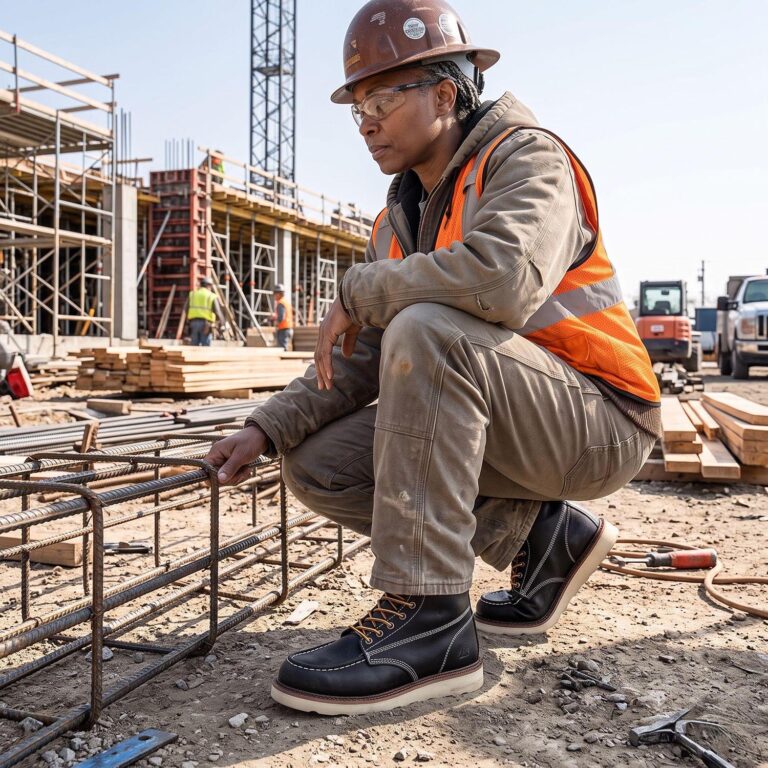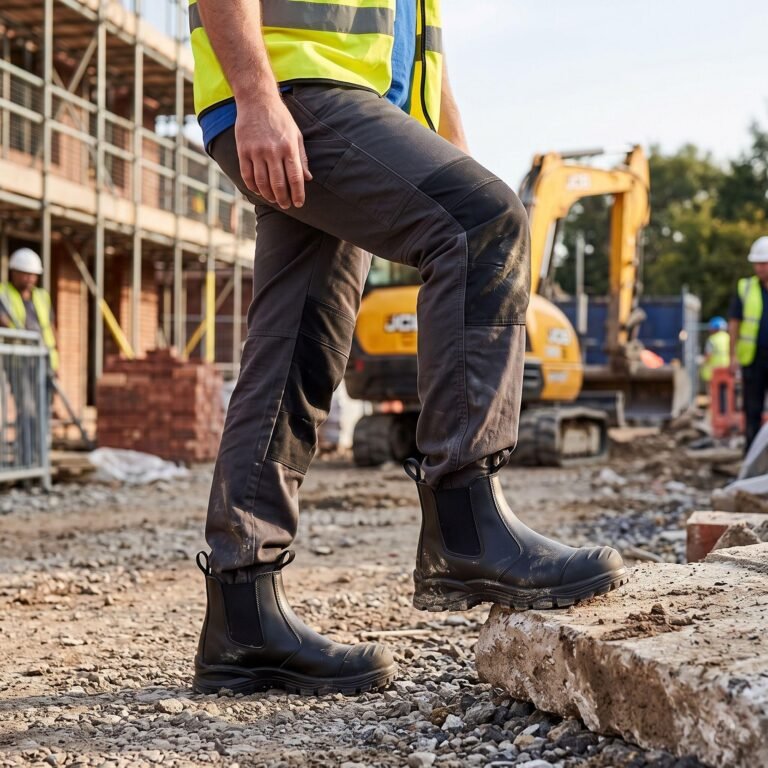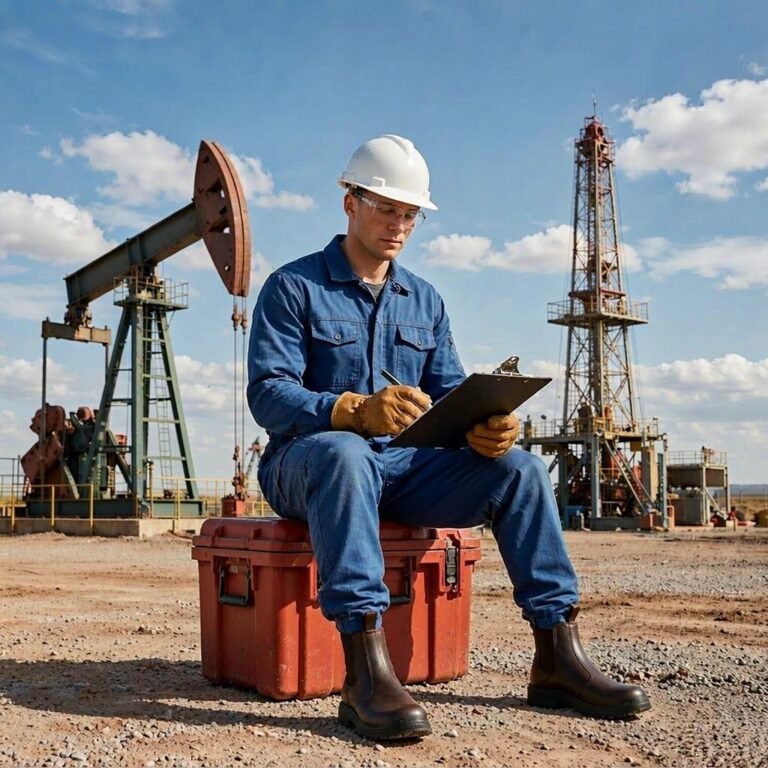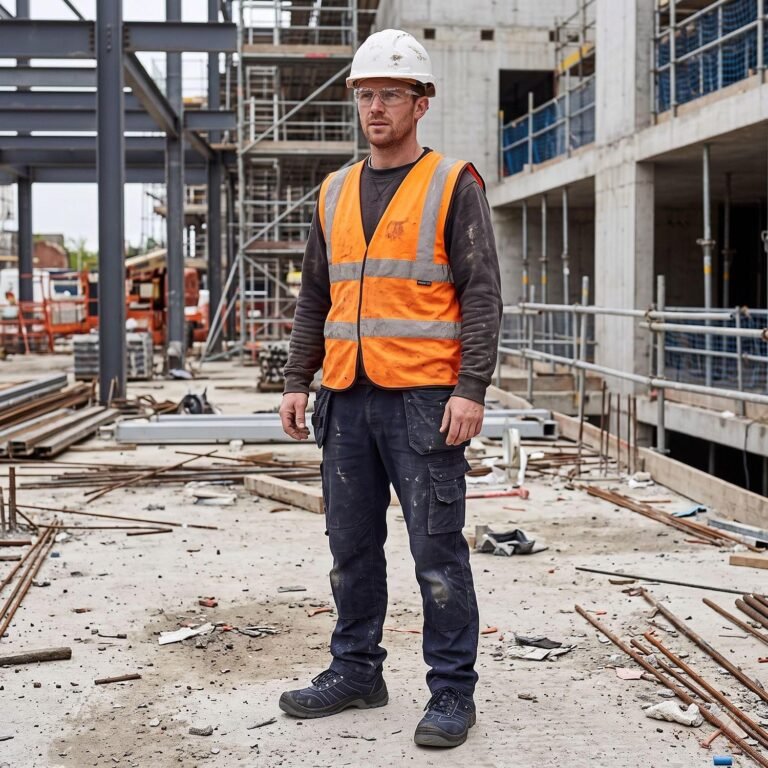
Mining workers face some of the toughest working conditions in industrial environments. Falling rocks, sharp debris, slippery surfaces, heavy equipment, and uneven terrain all increase the risk of foot injuries. Choosing the right safety shoes for mining workers requires more than checking basic protective features. The footwear must match the specific hazards, working conditions, and duration of daily use.
Why Do Mining Workers Need Specialized Safety Shoes?
Mining operations expose workers to multiple workplace hazards. Underground mines, open-pit mines, coal mines, and mineral processing facilities each present different risks. Ordinary industrial footwear may not provide sufficient protection in these environments.
Some of the most common hazards include:
1. Falling Objects and Heavy Impact
Tools, rocks, machinery components, and other heavy objects can fall onto workers’ feet. Protective toe caps are essential for reducing the risk of crushing injuries. Depending on workplace requirements, workers may need steel toe or composite toe safety shoes that meet the relevant impact and compression requirements.
2. Sharp Rocks and Penetration Hazards
Mining sites often contain broken rocks, metal fragments, nails, and other sharp materials. These objects can penetrate the outsole and cause serious injuries. Puncture-resistant midsoles help protect the bottom of the foot when workers walk over hazardous ground.
3. Wet, Muddy, and Slippery Surfaces
Water accumulation, mud, oil, and mineral residues can make mining floors extremely slippery. Safety shoes need suitable outsole compounds and tread patterns to improve grip. Water resistance is also important when workers regularly encounter wet conditions.
4. Uneven Ground and Ankle Injuries
Underground tunnels and open mining areas frequently have uneven surfaces. Loose stones, steep slopes, and unstable ground increase the possibility of ankle twisting. High-cut safety footwear with appropriate ankle support can help improve stability.
5. Long Working Hours
Mining workers may spend eight hours or more walking, standing, and operating equipment. Heavy or poorly fitted footwear can contribute to foot fatigue and discomfort. Cushioning, breathable linings, and proper shoe dimensions are important for daily wear.
How to Choose the Right Safety Shoes for Mining Workers
Selecting mining safety footwear should begin with an assessment of the actual working environment. The following factors can help employers and purchasing teams identify suitable products.
1. Choose the Appropriate Toe Protection
Toe protection is one of the most important considerations when selecting safety shoes for mining workers.
There are two common toe cap materials:
| Toe Cap Type | Main Characteristics | Suitable Applications |
|---|---|---|
| Steel Toe Cap | High mechanical strength and relatively thin construction | Heavy-duty mining and areas with falling-object risks |
| Composite Toe Cap | Non-metallic, lighter in weight, and does not conduct heat or cold as readily as steel | Mining environments where metal-free footwear is required |
Steel toe caps are widely used in heavy industrial environments because of their mechanical strength. Composite toe caps can be useful in workplaces where workers need non-metallic protection or reduced weight.
The choice should depend on the required impact and compression protection, workplace temperature, and employer safety specifications.
2. Check Puncture Resistance
Mining workers regularly walk across surfaces containing sharp stones, metal fragments, and other dangerous materials. A puncture-resistant midsole can reduce the possibility of sharp objects penetrating the bottom of the footwear.
Common options include:
- Steel midsoles: Provide strong penetration resistance and are suitable for demanding industrial environments.
- Non-metallic midsoles: Generally offer greater flexibility and lower weight while providing penetration protection when designed and tested to the required standard.
Purchasers should check whether the footwear has passed the applicable penetration resistance tests. The presence of a protective midsole alone does not automatically mean that the shoe meets a particular safety classification.
3. Select Slip-Resistant Outsoles
Mining surfaces can become slippery due to water, mud, oil, and fine mineral particles. Outsole performance directly affects worker stability.
When evaluating mining safety shoes, pay attention to three factors:
- Tread pattern: Deep and well-designed grooves can help channel away water and loose materials.
- Rubber compound: Different rubber formulations provide different levels of grip, flexibility, and wear resistance.
- Outsole contact: The sole design should provide stable contact with the types of surfaces found at the mining site.
Rubber outsoles are commonly used in demanding industrial footwear because they can offer good abrasion resistance and flexibility. However, slip resistance depends on the complete outsole design and its tested performance, not simply the material name.
For workplaces with oil contamination, oil-resistant outsole performance should also be considered.
4. Consider Waterproofing and Moisture Protection
Water exposure is common in underground mines and mineral processing facilities. Workers may encounter standing water, wet floors, and damp conditions throughout their shifts.
Depending on the working environment, suitable options include:
- Water-resistant leather uppers.
- Waterproof membranes.
- Sealed construction to reduce water penetration.
- Moisture-managing linings to improve internal comfort.
It is important to distinguish between water-resistant and waterproof footwear. Water-resistant shoes can handle limited moisture exposure, while waterproof footwear is designed to provide a higher level of protection against water penetration.
Employers should select footwear based on the expected depth and duration of water exposure.
5. Choose High-Cut or Low-Cut Designs
The height of mining safety shoes should match the terrain and level of ankle protection required.
High-cut safety boots
High-cut designs cover more of the ankle and are often suitable for underground mining, rough terrain, and areas containing loose stones. They can provide additional support when properly fitted and designed with suitable ankle construction.
Low-cut safety shoes
Low-cut footwear offers greater freedom of movement and may be more comfortable in relatively stable working environments. It can be appropriate for certain indoor processing facilities where ankle coverage is not a specific requirement.
For workers who frequently walk across uneven ground, high-cut boots are generally worth considering.
6. Evaluate Comfort, Weight, and Durability
Mining workers need footwear that can withstand demanding daily use without creating unnecessary discomfort.
Several construction details deserve attention:
- Cushioned insoles: Help improve underfoot comfort during extended standing and walking.
- Padded collars: Reduce friction around the ankle.
- Breathable linings: Help manage moisture inside the footwear.
- Reinforced stitching: Supports the durability of upper construction.
- Abrasion-resistant materials: Help reduce premature wear in harsh working conditions.
A lightweight shoe is not automatically a better choice. If reducing weight compromises toe protection, puncture resistance, or outsole durability, it may not be suitable for mining applications.
Which Safety Shoe Standards Should Mining Buyers Check?
Safety footwear standards provide a measurable basis for evaluating protective performance.
For mining safety shoes supplied to different international markets, the following standards and requirements are particularly relevant.
EN ISO 20345:2022
This European safety footwear standard specifies requirements for safety footwear, including toe protection against impact and compression. It also establishes additional performance requirements for different footwear classifications.
Depending on the product classification and tested features, buyers may encounter the following markings:
- SB: Basic safety footwear requirements, including protective toe caps.
- S1: Includes additional requirements such as closed heel, antistatic properties, energy absorption in the heel region, and other specified features.
- S2: Includes S1 requirements and water penetration and absorption requirements for the upper.
- S3: Includes S2 requirements and penetration resistance, together with applicable outsole requirements.
- S6 and S7: Include additional waterproofing-related requirements under the 2022 standard, with S7 also incorporating penetration resistance.
The exact classification and additional markings should be checked against the applicable standard and product test documentation.
ASTM F2413
For the North American market, ASTM F2413 establishes performance requirements for protective footwear. Relevant protection can include impact resistance, compression resistance, metatarsal protection, and other specified properties.
Mining buyers should confirm that the footwear meets the requirements relevant to their workplace rather than relying on a general safety shoe description.
Workplace-Specific Requirements
Some mining operations require additional protection against electrical hazards, chemical exposure, extreme temperatures, or other site-specific risks.
These properties should be verified through appropriate testing and documentation. A general safety footwear certification does not automatically establish suitability for every mining hazard.
Common Mistakes When Purchasing Mining Safety Shoes
Even when a pair of safety shoes carries a certification label, it may not be suitable for every mining application.
The following purchasing mistakes should be avoided.
Choosing Based Only on Price
Lower purchasing costs may seem attractive, especially when companies need to equip large workforces. However, outsole wear, stitching quality, toe cap performance, and material durability all influence the actual service life of footwear.
Purchasing teams should compare product specifications, test reports, construction quality, and expected replacement frequency.
Ignoring the Actual Mining Environment
Underground coal mining and open-pit mining have different working conditions. A shoe designed for a relatively dry processing facility may not provide sufficient protection in a wet underground tunnel.
The selection process should begin with a workplace hazard assessment.
Assuming All Slip-Resistant Shoes Perform the Same
Different outsole compounds and tread designs behave differently on wet, oily, muddy, and uneven surfaces. Buyers should request relevant test information and assess whether the outsole is suitable for the actual floor conditions.
Overlooking Proper Sizing
Shoes that are too tight can cause pressure points and discomfort. Shoes that are too loose may reduce stability and increase friction.
Workers should have sufficient toe room, a secure heel fit, and appropriate support throughout the foot.
Ignoring Maintenance and Replacement
Even certified safety shoes can lose protective performance through prolonged use. Damaged toe areas, worn-out tread patterns, separated soles, and deteriorated uppers should be inspected regularly.
Footwear should be replaced when it no longer provides the protection required by the workplace.
What Is the Best Type of Safety Shoe for Mining Workers?
The best safety shoes for mining workers are those that match the specific hazards of the mining environment while providing reliable protection, durability, and comfort.
For underground mining and rough terrain, high-cut safety boots with protective toe caps, puncture-resistant midsoles, slip-resistant outsoles, and suitable water protection are generally appropriate options. For mineral processing facilities and relatively stable working areas, lower-cut designs may be sufficient when they meet the site’s protection requirements.
Before purchasing, employers should assess impact hazards, puncture risks, floor conditions, moisture exposure, and working hours. They should also verify the applicable EN ISO 20345 or ASTM F2413 requirements and review the corresponding product test documentation.
The right mining safety footwear is not simply the heaviest or most expensive option. It is footwear engineered to provide the protection needed for the actual working environment without sacrificing fit, mobility, and long-term usability.
Written by Hong Gu Safety Shoes Technical Team, this content is compiled from practical production, long-term field applications, and rigorous testing results.
Shan Dong Hong Gu Shoes Industrial Co., Ltd. is a leading safety footwear manufacturer based in China, specializing in industrial foot protection with over 20 years of manufacturing expertise.
Products are fully certified under European standards (CE EN ISO 20345:2022), offering a full range of manufacturing processes including PU/PU Injection, PU/Rubber, Goodyear Welted, and Rubber Cemented constructions.