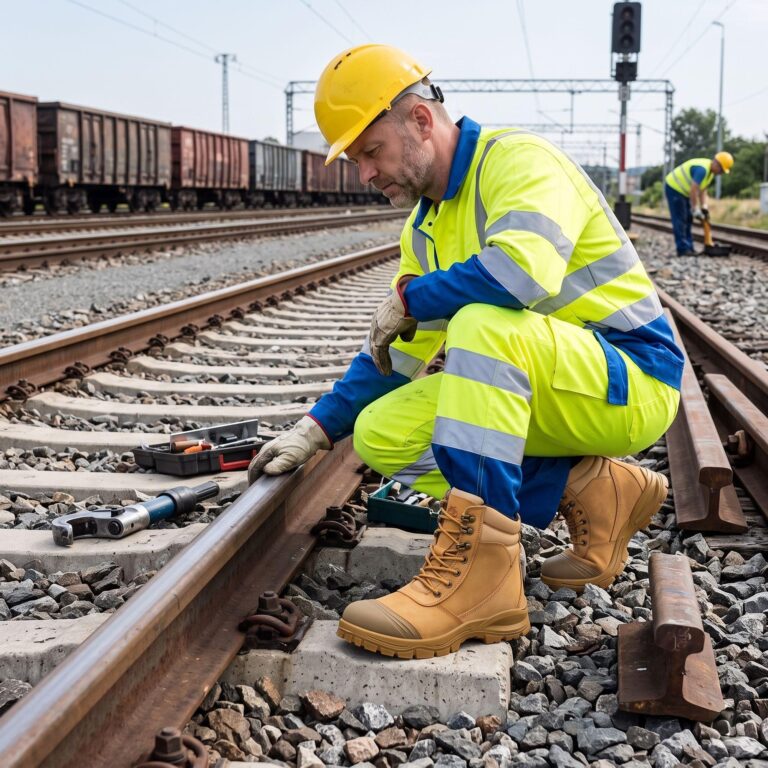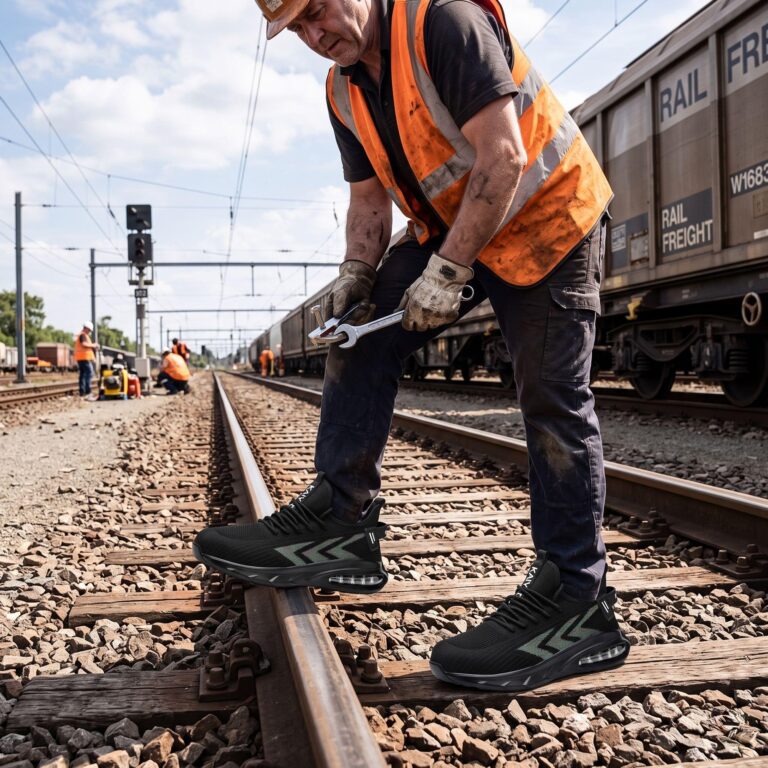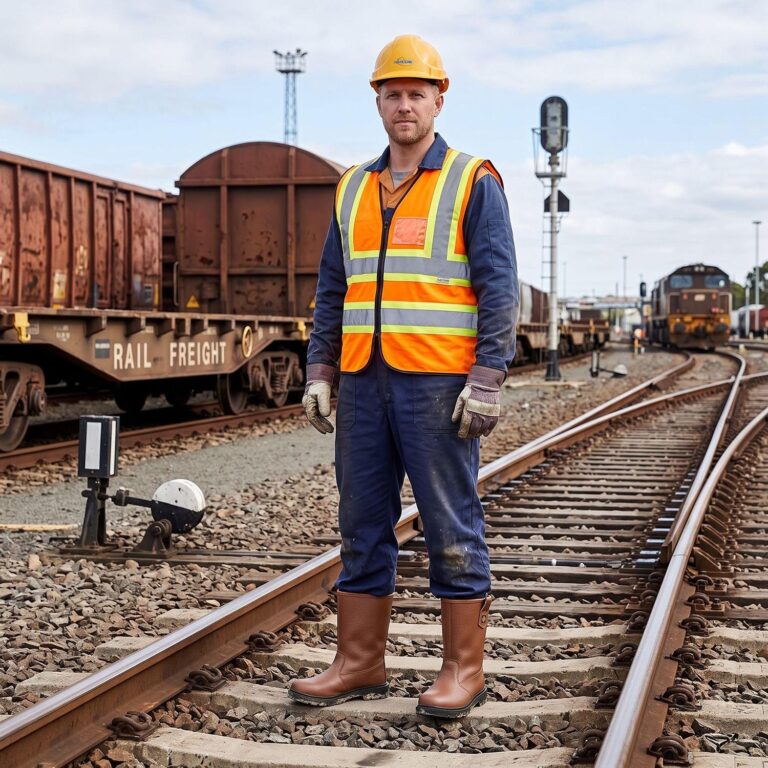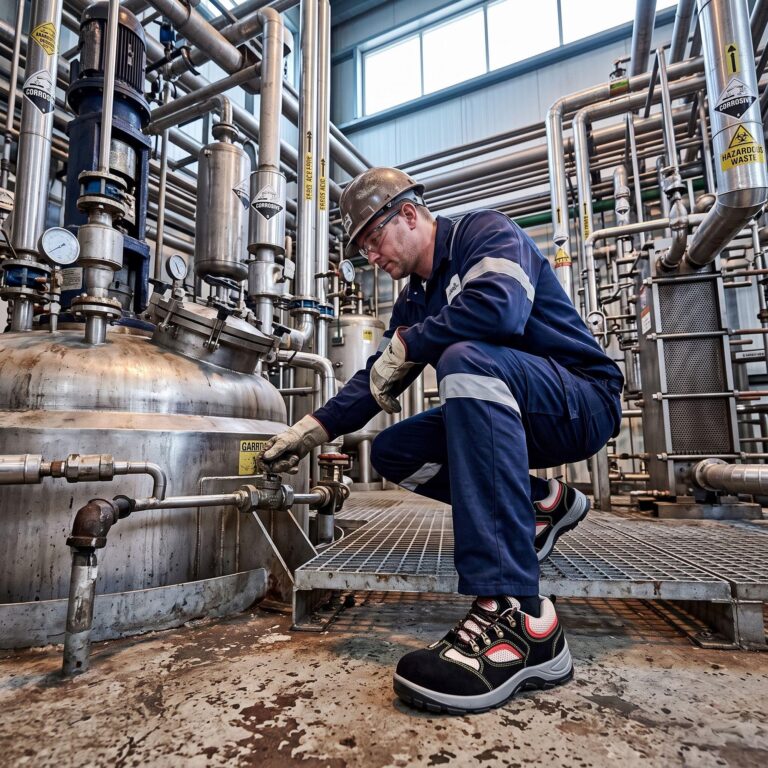

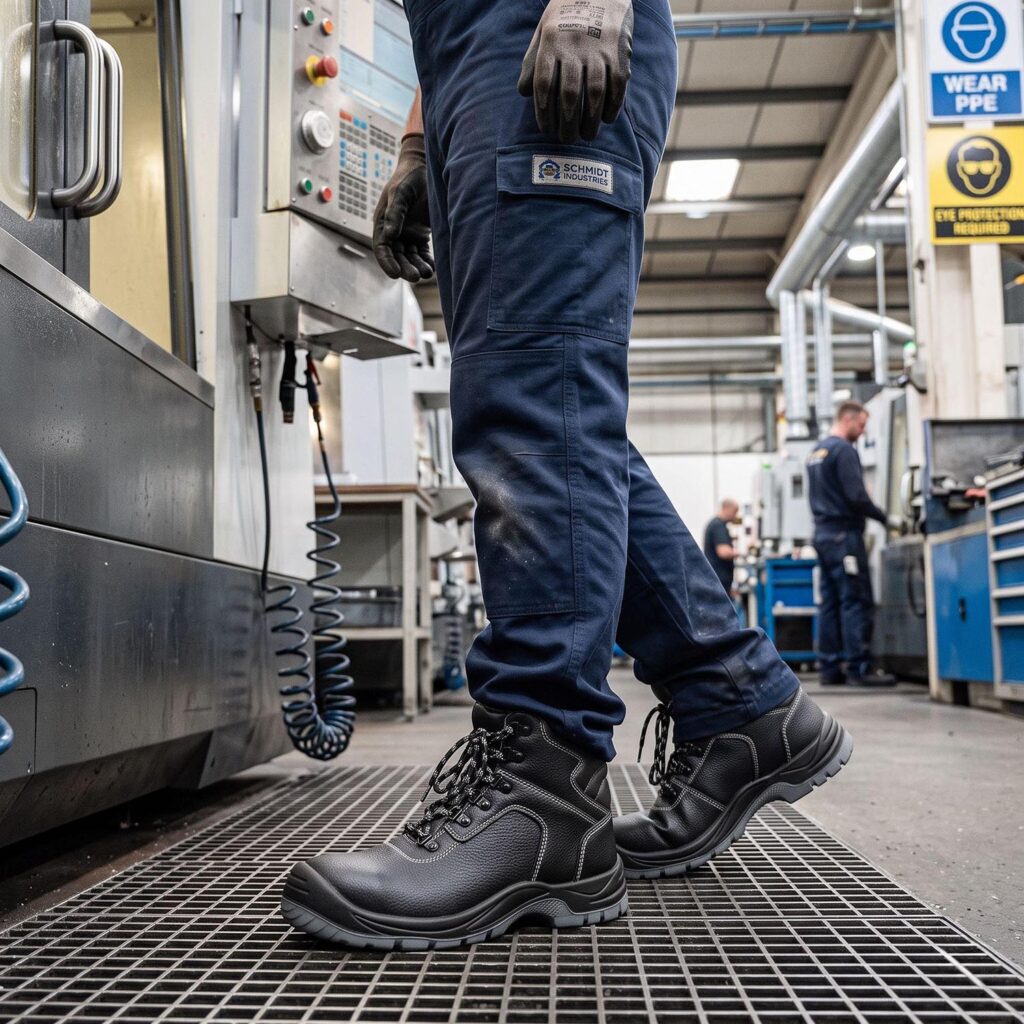
Heavy dropped tools and hard concrete floors demand reliable foot protection. Therefore, understanding the Steel Toe vs Composite Toe debate is crucial for workers. Picking the wrong safety shoe often causes foot fatigue or severe injuries. Consequently, this choice directly impacts your daily workplace comfort and safety.
The Evolution of Workplace Foot Protection
Steel was once the only reliable choice for safety footwear. Initially, it provided a tough barrier against heavy machinery. For decades, it remained the ultimate industrial standard. However, modern workplaces are far more complex today. For instance, workers now face high-voltage hazards and strict security scanners. Furthermore, extreme indoor and outdoor temperatures cause significant issues. As a result, this shift drove the creation of advanced composite materials. Today, fiberglass, Kevlar, and carbon fiber actively challenge steel’s long dominance. Ultimately, you must match your footwear to your specific daily risks.
Core Differences and Material Performance
To make the right choice, you should evaluate your specific hazards. Both materials meet the core EN ISO 20345:2022 safety standards. In addition, these protective caps withstand 200 Joules of heavy impact. Similarly, they handle 15kN of crushing compression perfectly. Despite these similarities, each option performs very differently in real-world environments.
Weight Reduction and Daily Comfort
Composite toes are significantly lighter than metal ones. When walking across large logistics warehouses, your legs tire quickly. Fortunately, a lighter shoe actively reduces this daily muscle fatigue. In contrast, steel is heavier by its very nature. Nevertheless, it offers a much thinner material profile. Thus, this allows for a less bulky, highly streamlined shoe design.
Temperature Control and Conduction
Steel conducts both heat and cold very quickly. For example, it pulls heat from your toes in freezing cold storage. Moreover, it gets uncomfortably warm near welding or paving jobs. Conversely, composite materials act as excellent natural insulators. Therefore, they keep your feet warmer in winter environments. Meanwhile, they also stay considerably cooler in summer heat.
Electrical Hazards and Security Scanners
Electricians and utility workers face constant high-voltage dangers. To address this, composite toes are non-magnetic and completely non-conductive. Consequently, this adds essential electrical hazard protection for sensitive tasks. Besides that, many modern workers pass through metal detectors daily. Aviation staff and nuclear plant workers strongly prefer composite caps. As a result, they avoid setting off security alarms constantly.
Impact Behavior and Structural Integrity
Steel bends when pushed past standard safety limits. Surprisingly, it rarely shatters under extreme, catastrophic weight. On the other hand, composite caps handle standard impacts perfectly well. Yet, they can crack under forces beyond testing protocols. Because of this, heavy construction and underground mining often rely on steel. Indeed, its absolute structural density remains highly trusted globally.
Common Misconceptions About Safety Toes
Many workers mistakenly think composite caps offer less protection. Actually, this is a false assumption based purely on weight. A certified composite toe undoubtedly provides the exact same impact rating. Another common myth involves steel toes cleanly amputating toes. In reality, crushing a steel cap requires massive kinetic force. That exact same force would destroy an unprotected foot completely. Instead, the cap always absorbs the load to save your foot. Finally, never judge internal room strictly by the material. High-quality safety shoes utilize engineered ergonomic lasts. Therefore, both types offer a comfortable, roomy fit today.
Final Verdict on Selecting Your Footwear
Neither safety toe is universally better than the other. Ultimately, your daily work environment dictates the absolute right choice. Choose steel toe safety shoes for heavy construction and mining. Specifically, they offer maximum structural protection and a slimmer profile. Alternatively, pick composite toe safety shoes for electrical and security environments. Furthermore, they are best for extreme weather and long walking distances. Always verify your footwear meets EN ISO 20345:2022 standards. In short, this guarantees proven protection regardless of the toe material inside.
Written by Hong Gu Safety Shoes Technical Team, this content is compiled from practical production, long-term field applications, and rigorous testing results.
Shan Dong Hong Gu Shoes Industrial Co., Ltd. is a leading safety footwear manufacturer based in China, specializing in industrial foot protection with over 20 years of manufacturing expertise. Products are fully certified under European standards (CE EN ISO 20345:2022), offering a full range of manufacturing processes including PU/PU Injection, PU/Rubber, Goodyear Welted, and Rubber Cemented constructions.