

Automotive manufacturing exposes workers to heavy machinery, chemical spills, and 12-hour shifts on hard concrete. Consequently, the wrong safety shoes cause extreme fatigue and increase the risk of severe crush injuries or slips on the assembly line.
The Hazards of Automotive Plant Environments
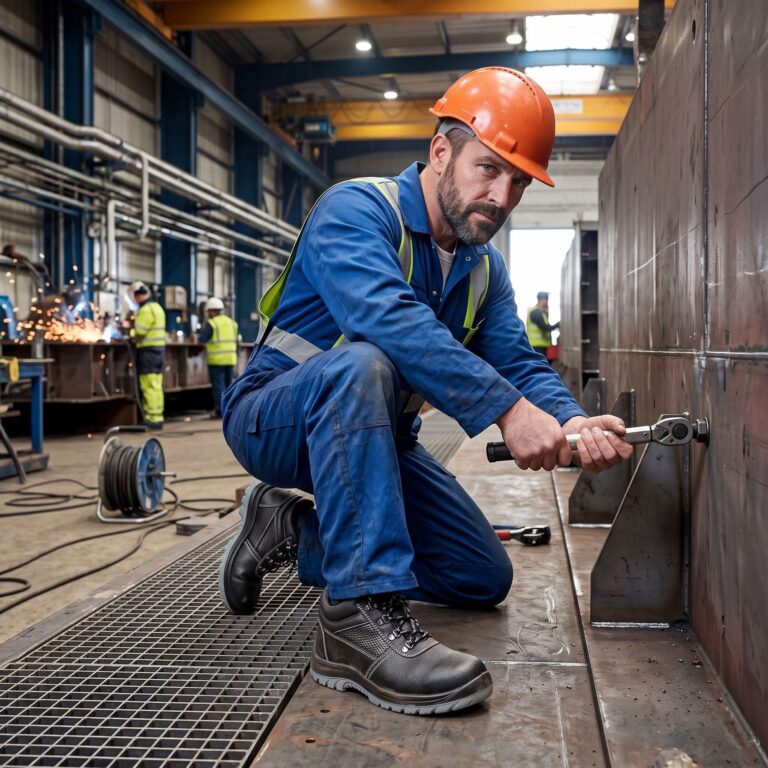
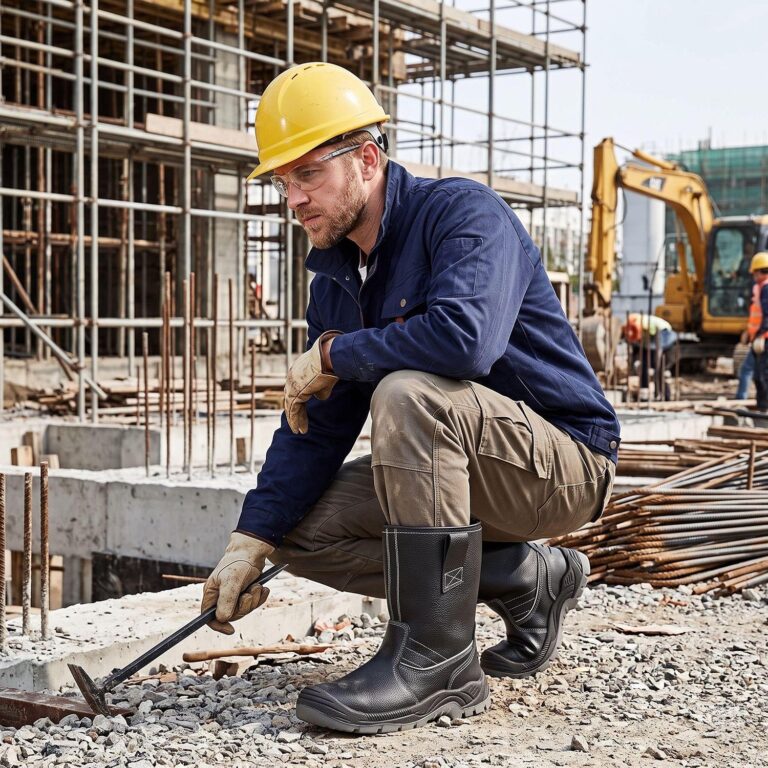
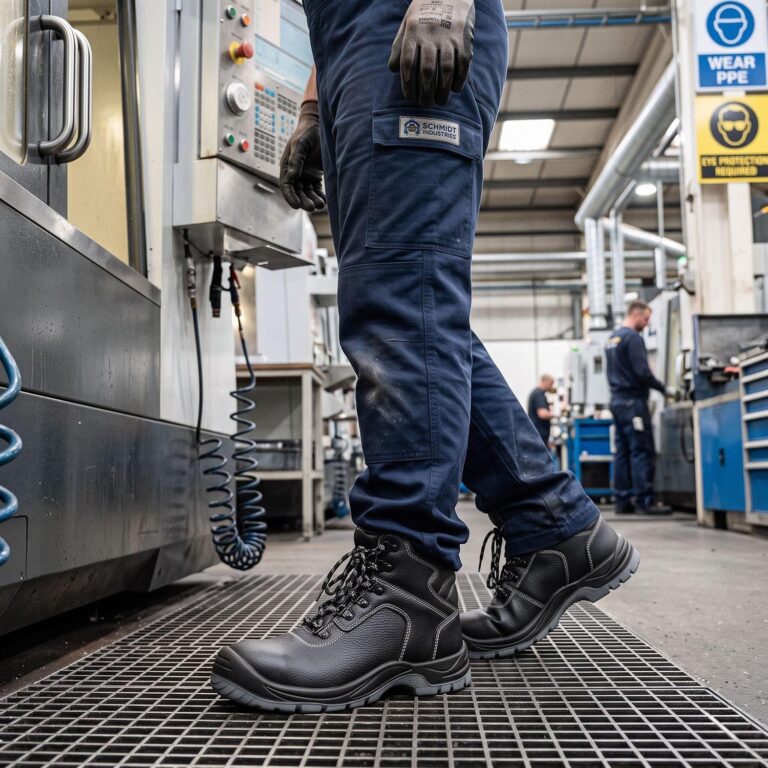
Automotive assembly lines represent highly demanding industrial zones. For example, workers transition constantly between welding stations, paint shops, and final assembly areas throughout their shifts. Furthermore, each specific zone presents distinct physical dangers. Dropped engine components, rolling chassis, and heavy hand tools create severe toe crush hazards daily. Meanwhile, coolant and hydraulic oil spills generate extreme slip risks on sealed factory concrete floors. In addition, automotive workers walk up to 10 kilometers per shift while carrying equipment. As a result, prolonged standing and walking on hard surfaces lead directly to plantar fasciitis, severe joint stress, and chronic lower back pain. Unfortunately, standard industrial work boots typically fail to balance heavy-duty physical protection with the lightweight mobility that dynamic assembly tasks require.
Key Protective Requirements and Footwear Solutions
To successfully address these specific workplace hazards, safety footwear must meet strict technical criteria and utilize advanced manufacturing processes.
Impact and Compression Resistance
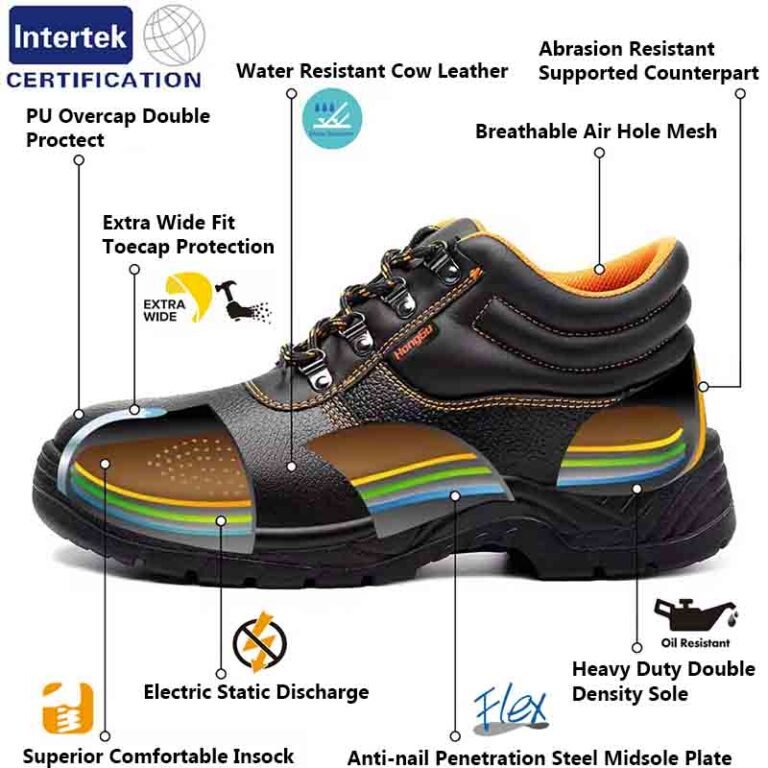
Heavy stamping parts require maximum toe protection at all times. Therefore, safety shoes must feature protective toe caps that reliably withstand 200 Joules of impact and 15 kN of compression. Modern footwear manufacturers increasingly prefer composite toe caps over traditional steel alternatives. Specifically, composite materials offer the exact same CE EN ISO 20345:2022 compliance, yet they significantly reduce overall shoe weight and improve the wearer’s daily balance.
Slip Resistance and Outsole Design
Automotive plants frequently deal with lubricating oils and slick industrial fluids. Because of this, footwear must pass rigorous slip resistance tests (classified as SR under the updated global safety standards). Accordingly, a dual-density PU/Rubber outsole provides the optimal technical solution. The durable rubber outsole grips slick, oily surfaces securely to prevent falls. Simultaneously, the softer PU midsole absorbs the sharp physical impact of walking on concrete.
Electrostatic Discharge (ESD) Protection
With the rapid expansion of Electric Vehicle (EV) manufacturing, ESD footwear becomes completely mandatory. Factory workers handle highly sensitive electronic control units (ECUs) and high-voltage battery packs constantly. Thus, safety shoes must maintain an electrical resistance between 0.1 and 100 Megaohms. This crucial feature safely grounds static electricity from the human body into the floor. Consequently, it prevents costly electrical damage to sensitive electronic components and actively avoids dangerous sparks near flammable paint fumes.
Ergonomics and Anti-Fatigue Construction
Physical comfort directly dictates worker focus and overall safety compliance. For instance, manufacturers utilize PU/PU Injection techniques to build footwear that offers excellent shock absorption. High-quality midsole cushioning materials retain their bounce and rebound properties even after thousands of steps. Ultimately, this engineering approach physically reduces the muscular strain associated with long, demanding manufacturing shifts.
Common Misunderstandings in Footwear Selection
Many procurement managers falsely assume that heavier boots inherently offer better physical protection. However, in reality, heavy boots accelerate lower-limb muscle fatigue and reduce worker agility, which directly increases workplace accident risks. Another common error involves confusing basic anti-static shoes with true ESD-certified footwear. Specifically, in modern EV manufacturing, basic anti-static properties fail to protect equipment adequately and lead directly to electronic component failures. Finally, workers often wait until they completely wear through the rubber outsole before they request replacement shoes. Instead, workers must replace their safety shoes the moment the midsole loses its compression rebound, or immediately after the toe cap suffers a severe impact, even if the exterior leather remains completely intact.
Core Criteria for Automotive Footwear Selection
Optimal safety footwear for automotive workers must integrate S3 safety classifications, verified ESD properties, and high-rebound ergonomic midsoles. In conclusion, selecting footwear with certified PU/Rubber or PU/PU injection constructions ensures full compliance with strict occupational safety regulations. Moreover, this strategic choice drastically reduces factory injury rates and actively supports the long-term physical health of all assembly line personnel.
Written by Hong Gu Safety Shoes Technical Team, this content is compiled from practical production, long-term field applications, and rigorous testing results.
Shan Dong Hong Gu Shoes Industrial Co., Ltd. is a leading safety footwear manufacturer based in China, specializing in industrial foot protection with over 20 years of manufacturing expertise. Products are fully certified under European standards (CE EN ISO 20345:2022), offering a full range of manufacturing processes including PU/PU Injection, PU/Rubber, Goodyear Welted, and Rubber Cemented constructions.