S1PL vs S3L Safety Shoes: Navigating the New EN ISO 20345 Classification
Selecting the right work boots under the updated EN ISO 20345:2022 standard can often confuse buyers. Therefore, if you are trying to choose between the new S1PL and S3L options for your team, knowing their exact limits is vital.
The Shift in European Footwear Standards
The EN ISO 20345 standard recently had its biggest update in ten years. Specifically, this 2022 rule added clear groups for puncture resistance. In the past, a basic “P” meant general sole protection. Now, however, the standard clearly separates metal and non-metal nail inserts.
For example, the old “P” still stands for steel plates tested with a thick 4.5mm nail. Furthermore, the new “PL” mark means a non-metal insert also tested with a 4.5mm nail. On the other hand, “PS” means a non-metal insert tested with a sharper 3.0mm nail. As a result, this update changes how buyers pick daily work shoes. Consequently, the famous S1 and S3 groups have changed into S1PL, S1PS, S3L, and S3S types to match these exact tests.
Core Features and Applications Breakdown
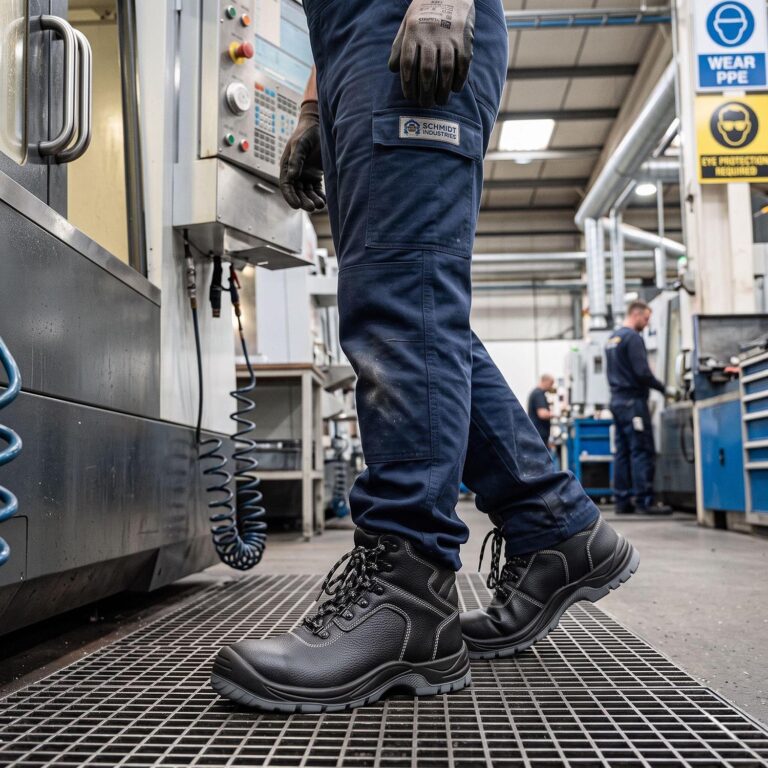
To make a smart choice, safety managers must look closely at each shoe type. First, both S1PL and S3L offer basic safety. This includes a 200-Joule toe cap, a closed heel, shock absorption, and basic anti-static features. Nevertheless, their upper materials and sole designs decide their best work spaces.
S1PL Safety Shoes: Maximum Breathability
The S1PL group builds on the classic S1 rating. First and foremost, the “PL” shows a non-metal midsole that passes the 4.5mm nail test. Additionally, these shoes do not have water-resistant uppers. Instead, they use breathable materials like light mesh or split leather. Therefore, they are perfect for indoor logistics, dry warehouses, and car assembly lines. Ultimately, workers in warm places enjoy the extra airflow and soft feel.
S3L Safety Shoes: Durability and Moisture Defense
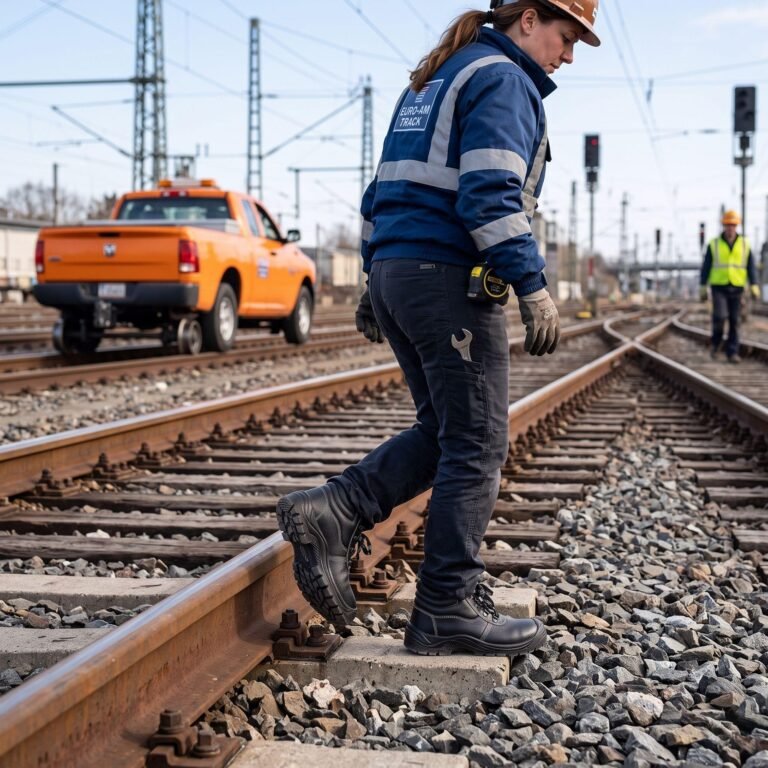
In contrast, the S3L type acts as a modern update to the heavy-duty S3 standard. Similarly to the S1PL, the “L” means a non-metal insert tested with a 4.5mm nail. However, S3L boots must have a water-resistant upper. In fact, the material must stop water from soaking in for at least 60 minutes during standard testing. Moreover, S3L shoes must have a deeply treaded outsole. Thus, they give great grip on rough, loose, or muddy ground. As a result, they are ideal for building sites, outdoor tasks, heavy plants, and wet spaces.
| Feature | S1PL Safety Shoes | S3L Safety Shoes |
| Toe Cap | 200 Joules | 200 Joules |
| Puncture Safety | Non-metal (4.5mm nail test) | Non-metal (4.5mm nail test) |
| Upper Material | Highly breathable, not water-resistant | Water penetration resistant (WPA) |
| Outsole | Standard flat or light tread | Deeply cleated for rough ground |
| Best Workspace | Dry, indoor, warm areas | Wet, outdoor, harsh job sites |
Common Pitfalls in Safety Shoe Procurement
Buyers often make big mistakes when reading the 2022 rules. For instance, one major error is thinking all non-metal midsoles give the exact same safety. In reality, picking a “PL” shoe for a floor full of thin glass or fine metal needles is a huge risk. Therefore, in those high-risk places, a “PS” (3.0mm nail) insert is a clear must.
Another common mistake happens when buyers ignore the weather. Sometimes, managers give out S1PL shoes for outside work during the rainy season. Because S1PL tops soak up water quickly, this choice causes heavy, wet boots. Consequently, it raises the chance of foot health issues. Conversely, giving heavy S3L leather boots to workers in a hot, dry warehouse causes too much sweat and tiredness. Ultimately, matching the shoe material to the exact moisture levels of the job is a critical step.
Final Recommendations for Safety Managers
In conclusion, choosing between S1PL and S3L safety shoes depends purely on your exact work hazards. On one hand, S1PL footwear gives great air flow, light comfort, and solid puncture safety for dry, indoor jobs. On the other hand, S3L footwear offers tough strength, water defense, and deep grip for wet, outdoor, and harsh sites. Therefore, by matching your shoe choice to a careful hazard check, you ensure full EN ISO 20345:2022 compliance while keeping workers happy and safe.
Written by Hong Gu Safety Shoes Technical Team, this content is compiled from practical production, long-term field applications, and rigorous testing results.
Shan Dong Hong Gu Shoes Industrial Co., Ltd. is a leading safety footwear manufacturer based in China, specializing in industrial foot protection with over 20 years of manufacturing expertise.
Products are fully certified under European standards (CE EN ISO 20345:2022), offering a full range of manufacturing processes including PU/PU Injection, PU/Rubber, Goodyear Welted, and Rubber Cemented constructions.