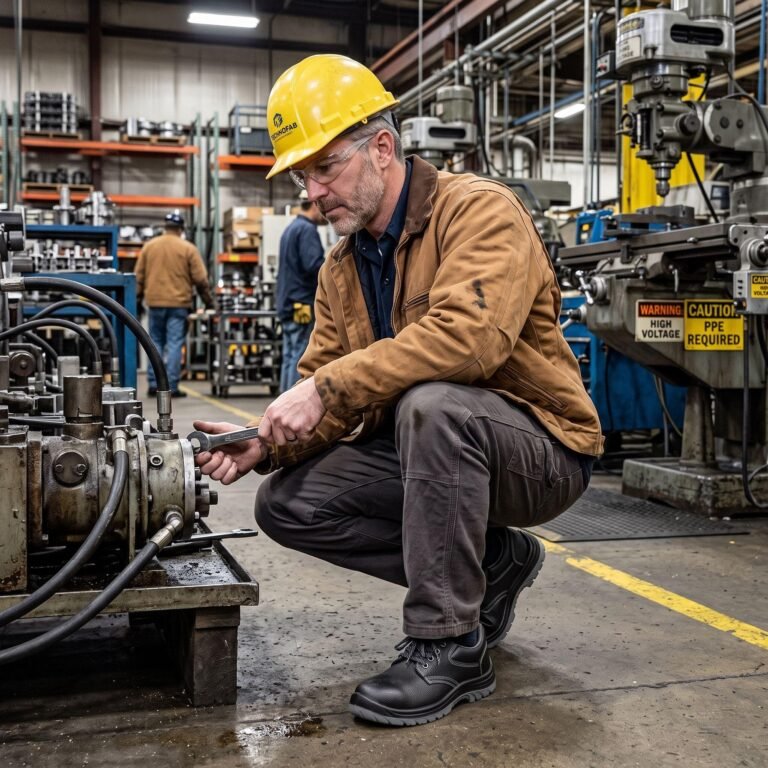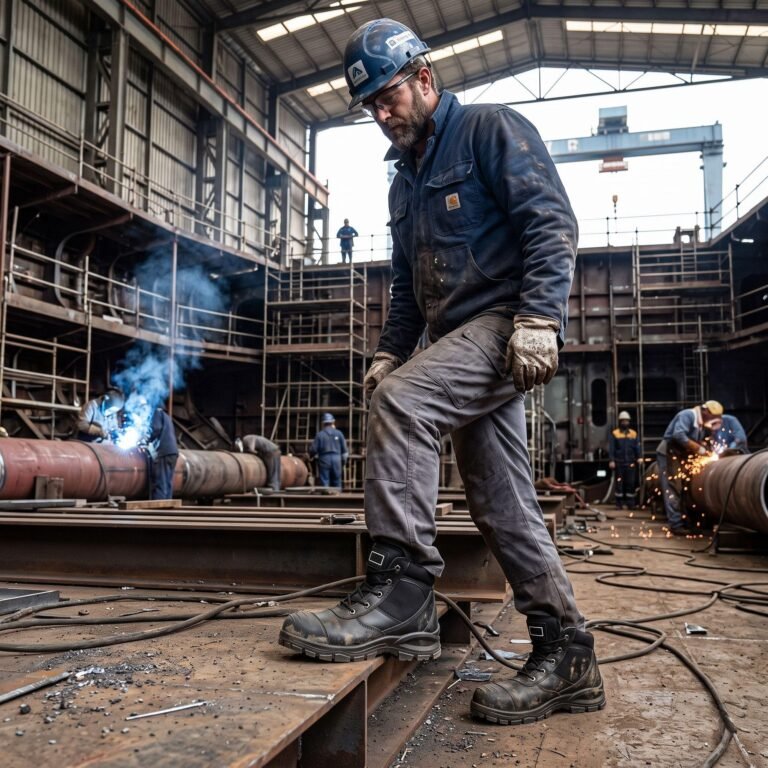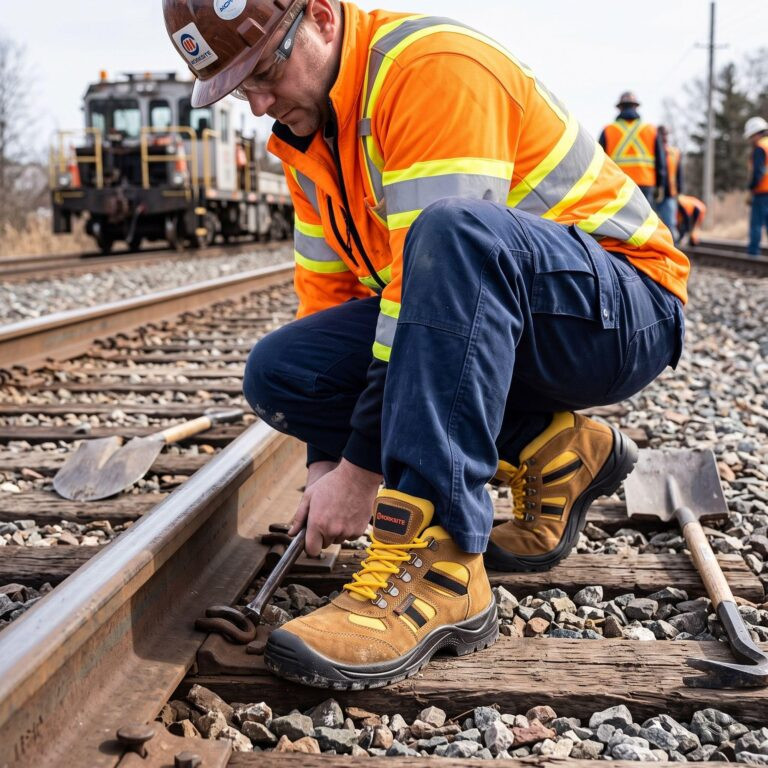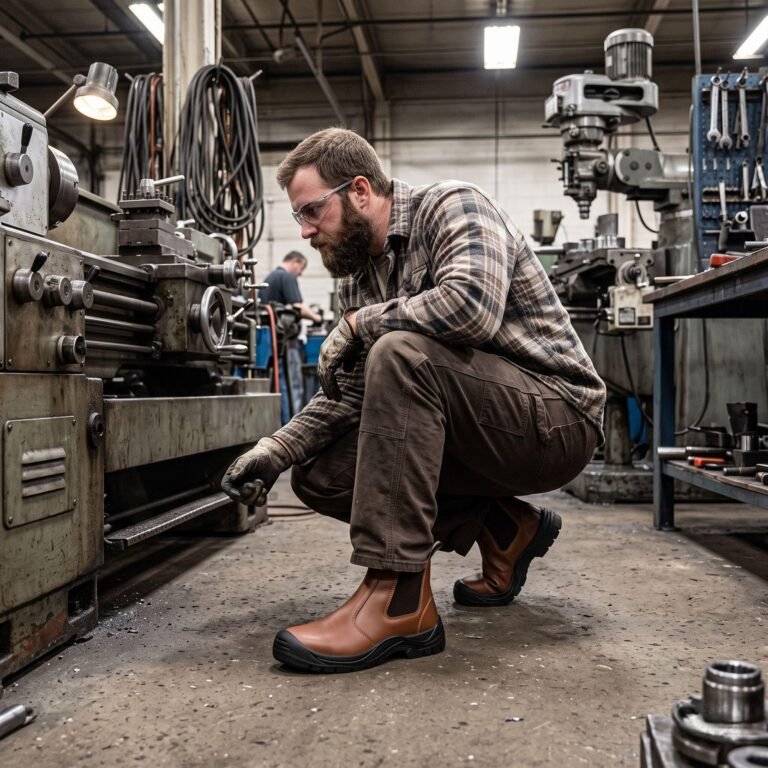

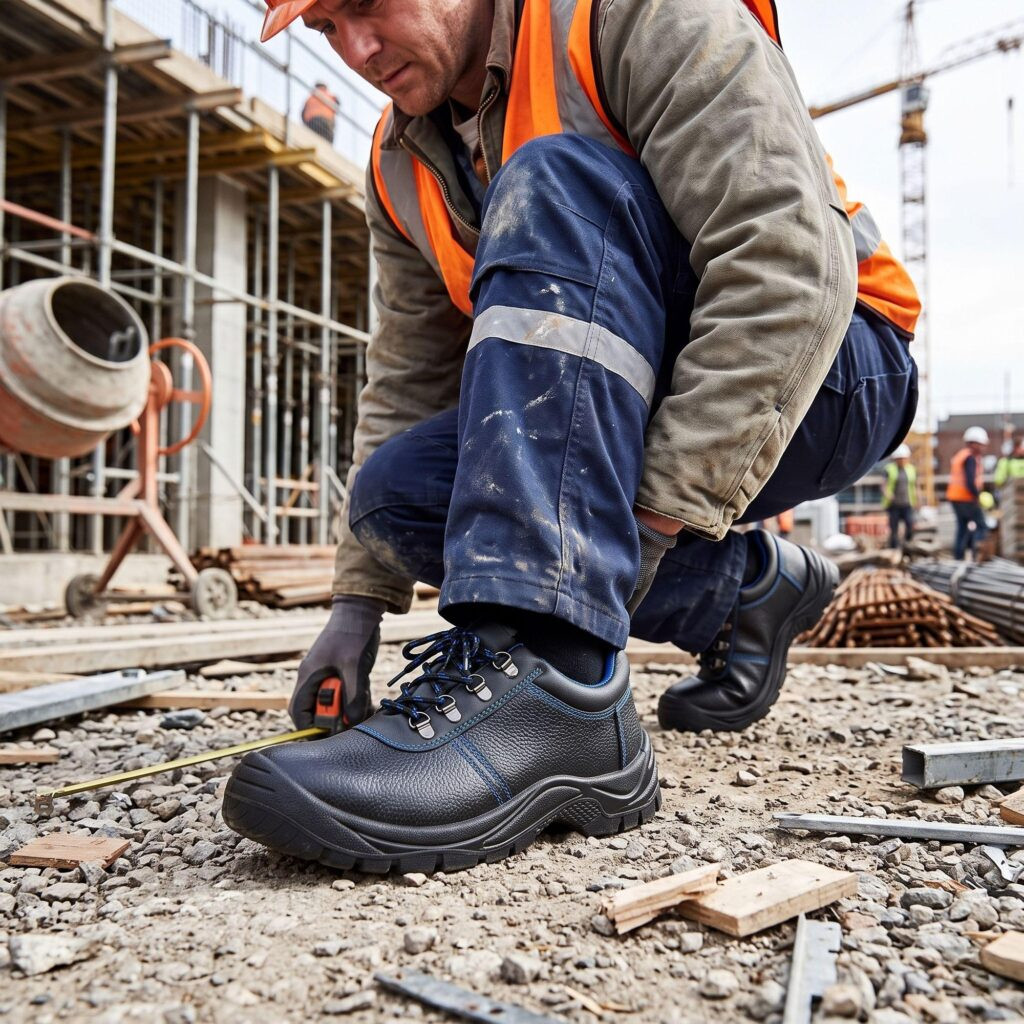
Outdoor workers face severe risks from extreme cold, heavy rain, and scorching heat. Therefore, standard boots often fail to protect against frostbite, heat stress, or severe slips. Consequently, selecting specialized extreme weather safety shoes is critical to prevent injuries and maintain productivity.
The Growing Impact of Severe Weather on Industrial Safety
Climate conditions are becoming increasingly unpredictable worldwide. For instance, construction crews, oil rig operators, and railway workers frequently operate in environments ranging from sub-zero blizzards to blistering summer heat waves. Unfortunately, standard personal protective equipment (PPE) struggles to manage these extremes. In fact, according to industrial workplace safety data, temperature-induced stress and weather-related slips account for a significant portion of severe outdoor injuries.
Moreover, when safety footwear lacks proper thermal insulation, workers risk chilblains or severe frostbite. On the other hand, when outsoles are not engineered for high heat, the material can melt or degrade rapidly. As a result, this leads to bottom-of-foot burns. Furthermore, standard leather work boots easily become waterlogged in torrential rain. Consequently, this adds unnecessary weight to the feet, causing rapid fatigue, severe blisters, and bacterial foot infections. Ultimately, the heavy industry sector urgently requires specialized footwear engineered for high-performance environmental protection.
Key Environmental Hazards and Technical Solutions
Protecting outdoor workers requires a highly targeted approach to footwear design. Specifically, different extreme weather conditions demand specific technical features and material sciences.
Battling Sub-Zero Temperatures and Snow
Freezing environments rapidly pull heat away from the human body. Therefore, cold weather footwear must feature Cold Insulation (CI) certification. First, synthetic micro-fiber insulation layers trap body heat while blocking external cold air. Additionally, manufacturers must use composite or fiberglass safety toes instead of traditional steel. Because steel conducts cold rapidly, it accelerates heat loss at the toes. In contrast, composite toes offer identical impact resistance without the dangerous thermal transfer. Finally, outsoles should utilize specialized low-temperature rubber compounds that maintain flexibility and ground grip even below -20°C.
Surviving Scorching Heat and Hot Surfaces
Working on summer asphalt or in desert climates causes rapid physical fatigue and sole degradation. To combat this, shoes must carry the Heat Insulation (HI) and Heat Resistant Outsole (HRO) designations. Specifically, HRO-certified rubber outsoles endure direct contact temperatures up to 300°C for 60 seconds without melting or cracking. Furthermore, upper materials should feature high-grade breathable natural leather. Moreover, this leather must be combined with moisture-wicking inner linings to manage sweat vapor and prevent heat rash.
Overcoming Torrential Rain and Deep Mud
Continuous exposure to water rapidly compromises standard work boots. For this reason, ultimate protection requires full Water Resistance (WR). Under the updated CE EN ISO 20345:2022 standard, the S7 classification guarantees high-level waterproofing through integrated internal membrane booties. In addition, deep-cleated outsole tread patterns are strictly required. Consequently, these treads ensure maximum Slip Resistance (SR), preventing dangerous falls on muddy or unstable terrain.
| Environmental Hazard | Necessary Certification (EN ISO 20345:2022) | Recommended Technical Solution |
| Extreme Cold | CI (Cold Insulation) | Composite Toe, Thermal Insulation Lining, Rubber Outsole |
| Extreme Heat | HI (Heat Insulation), HRO | Breathable Linings, Nitrile Rubber Outsole |
| Heavy Rain / Mud | WR, S7 Category, SR | Waterproof Membrane Bootie, Deep Tread Patterns |
Common Misconceptions in Purchasing Weather-Resistant Footwear
Facility managers and field workers frequently make costly mistakes when selecting outdoor safety shoes. Below are the most critical errors to avoid.
- Mistake 1: Believing all waterproof shoes are breathable. Undoubtedly, many cheap PVC or rubber rain boots block water completely. However, they also trap all human sweat inside. As a result, this accumulated moisture leads to rapid bacterial growth and trench foot. Therefore, high-quality waterproof membranes are essential. Specifically, they block external liquid water while featuring microscopic pores that allow water vapor to escape.
- Mistake 2: Relying on standard PU outsoles in extreme cold. Generally, basic single-density Polyurethane (PU) outsoles harden, lose traction, and crack in freezing temperatures. Consequently, they become dangerously slippery on ice. Instead, cold environments require specially formulated PU/Rubber dual-density soles or pure Rubber cemented constructions for durability.
- Mistake 3: Wearing thick cotton socks for cold weather. Surprisingly, cotton absorbs foot sweat and holds cold moisture directly against the skin. Subsequently, this makes the foot freeze faster. To fix this, workers must pair CI-rated safety shoes with moisture-wicking wool or synthetic blend socks for actual thermal protection.
Final Guidelines for Weather-Resilient Foot Protection
In conclusion, to ensure optimal safety in extreme weather, outdoor workers must wear safety shoes strictly certified under the CE EN ISO 20345:2022 standard. Accordingly, selecting the correct technical specifications is mandatory. For example, CI insulation and non-metallic composite toes are vital for freezing climates, while HRO rubber outsoles are needed for contact heat, and S7 water resistance is crucial for continuous wet conditions. Ultimately, proper footwear material selection directly prevents environmental injuries. Thus, it reduces worker fatigue and maximizes operational efficiency in harsh outdoor environments.
Written by Hong Gu Safety Shoes Technical Team, this content is compiled from practical production, long-term field applications, and rigorous testing results.
Shan Dong Hong Gu Shoes Industrial Co., Ltd. is a leading safety footwear manufacturer based in China, specializing in industrial foot protection with over 20 years of manufacturing expertise.
Products are fully certified under European standards (CE EN ISO 20345:2022), offering a full range of manufacturing processes including PU/PU Injection, PU/Rubber, Goodyear Welted, and Rubber Cemented constructions.