
Safety shoe comfort is essential for workers who spend long hours standing or walking. However, safety shoes that meet protection requirements may still cause foot fatigue, pressure points, or excessive sweating. Understanding fit, cushioning, weight, and breathability helps buyers choose comfortable safety footwear for daily work.
Why Does Safety Shoe Comfort Matter?
Workers often wear safety shoes for eight hours or longer. During this time, they may walk long distances, stand on hard floors, climb ladders, or work in environments with oil, moisture, and uneven surfaces. Poorly designed footwear can cause pressure points, blisters, excessive sweating, and foot fatigue.
Comfort also affects how workers move throughout the day. Shoes that fit poorly or have inadequate support may encourage unnatural walking patterns. In demanding workplaces, these problems can make daily tasks more difficult.
A comfortable safety shoe must balance three requirements: protection, fit, and long-term wearability. Protective features such as a safety toe cap, puncture-resistant midsole, and slip-resistant outsole remain essential, but their design should not create unnecessary pressure or restrict natural foot movement.
The right choice depends on the working environment, the duration of wear, and the physical demands of the job.
6 Factors That Determine Safety Shoe Comfort
1. Proper Fit and Toe Room
Fit is one of the most important factors in safety shoe comfort. A shoe that is too tight may compress the toes, while an oversized shoe can allow the foot to slide inside, increasing friction and the risk of blisters.
The toe box deserves particular attention. Safety shoes with steel, aluminum, or composite toe caps need sufficient internal space to accommodate the protective structure and the natural shape of the foot.
When checking the fit, consider these points:
- Toe clearance: The toes should not press against the front or sides of the protective toe cap.
- Heel fit: The heel should remain reasonably secure without excessive rubbing.
- Foot width: The shoe should accommodate the wearer’s forefoot without squeezing it.
- Instep pressure: The upper and lacing system should hold the foot securely without creating painful pressure.
Foot measurements should be taken while standing, preferably later in the day when feet may be slightly larger. Workers should also try safety shoes with the socks they normally wear on the job.
2. Cushioning and Shock Absorption
Workers who spend long hours standing or walking on concrete floors often need effective cushioning. Each step places repetitive loads on the feet, and a suitable midsole can help manage impact during walking.
The midsole material, thickness, density, and construction all influence cushioning. PU midsoles are commonly used because they can provide a combination of cushioning, flexibility, and relatively low weight. Other sole constructions may be appropriate when the workplace requires additional resistance to heat, abrasion, or demanding ground conditions.
However, softer cushioning is not always better. An excessively soft midsole may feel comfortable initially but provide insufficient stability for certain tasks. A suitable design balances impact absorption with support and controlled movement.
For workers who stand for extended periods, it is also useful to assess whether the insole maintains its shape after repeated use. Cushioning that compresses too quickly may provide less support over time.
3. Overall Weight of the Safety Shoe
Heavy footwear can increase the effort required for repeated walking and lifting the feet. This is particularly relevant for warehouse employees, assembly-line workers, logistics personnel, and others who remain mobile throughout their shifts.
The weight of a safety shoe depends on several components, including the toe cap, outsole, midsole, upper materials, and protective reinforcements.
Steel toe caps offer robust impact and compression protection but may contribute more weight than some alternative designs. Aluminum and composite toe caps can reduce weight in suitable applications, although the actual difference depends on the complete shoe construction.
Buyers should compare the weight of complete shoes in the same size rather than evaluating the toe cap alone. A lightweight design must still meet the required protective performance for the intended workplace.
4. Breathability and Moisture Management
Excessive heat and moisture inside safety shoes can make a full working day uncomfortable. Damp socks and prolonged friction may also increase the risk of skin irritation and blisters.
Breathability depends on the upper material, lining, internal construction, and ventilation characteristics. Textile panels and breathable linings can help manage heat and moisture in suitable environments. Leather uppers may offer durability and protection while providing different levels of moisture management depending on their treatment and construction.
The working environment determines which properties matter most. Workers in hot warehouses may prioritize airflow, while those exposed to rain, liquids, or wet surfaces may require water-resistant or waterproof footwear.
Breathability should not be confused with waterproofing. A highly breathable material does not necessarily prevent water from entering, and a waterproof design may require different construction methods that affect ventilation.
Choosing the right balance helps prevent unnecessary discomfort without compromising workplace protection.
5. Insole Support and Foot Stability
The insole affects how the foot contacts the inside of the shoe. Its shape, thickness, cushioning, and material can influence comfort during prolonged standing and walking.
Some workers prefer a flatter insole, while others benefit from additional arch contouring. There is no single insole design that suits every foot. The correct choice depends on individual foot shape, the shoe’s internal dimensions, and the demands of the job.
The shoe’s overall structure also matters. A stable heel area, secure fastening system, and well-designed sole can help keep the foot properly positioned during movement.
Workers who require custom orthotics should check whether the safety shoe has enough internal volume and whether replacing the original insole affects the fit or protective design. Any modification should preserve the footwear’s intended safety performance.
6. Outsole Flexibility, Grip, and Stability
The outsole influences how a safety shoe moves, grips the floor, and responds to different working surfaces.
A sole that is too rigid may restrict natural movement during walking. One that is excessively flexible may not provide enough support for certain industrial tasks. The appropriate balance depends on the sole material, tread pattern, shoe structure, and intended application.
PU/PU injection constructions are commonly used in industrial footwear, while PU/rubber and rubber-based constructions may be selected for different durability, temperature, or surface requirements.
Slip resistance is particularly important in workplaces with smooth, wet, or contaminated floors. The outsole should be selected according to the actual floor conditions and relevant test requirements. No outsole can eliminate every slipping hazard, especially when floors contain unexpected contaminants.
Comfort also depends on stability. Workers who regularly climb ladders, move across uneven ground, or carry heavy loads may need footwear with a different sole profile from employees working primarily on clean, level indoor floors.
How to Choose Comfortable Safety Shoes for Different Jobs
The most suitable safety shoe depends on the hazards and physical demands of the workplace.
Warehousing and logistics: Workers who walk extensively should pay attention to overall weight, cushioning, heel security, and breathable materials. A balanced design can help reduce unnecessary fatigue during repeated movement.
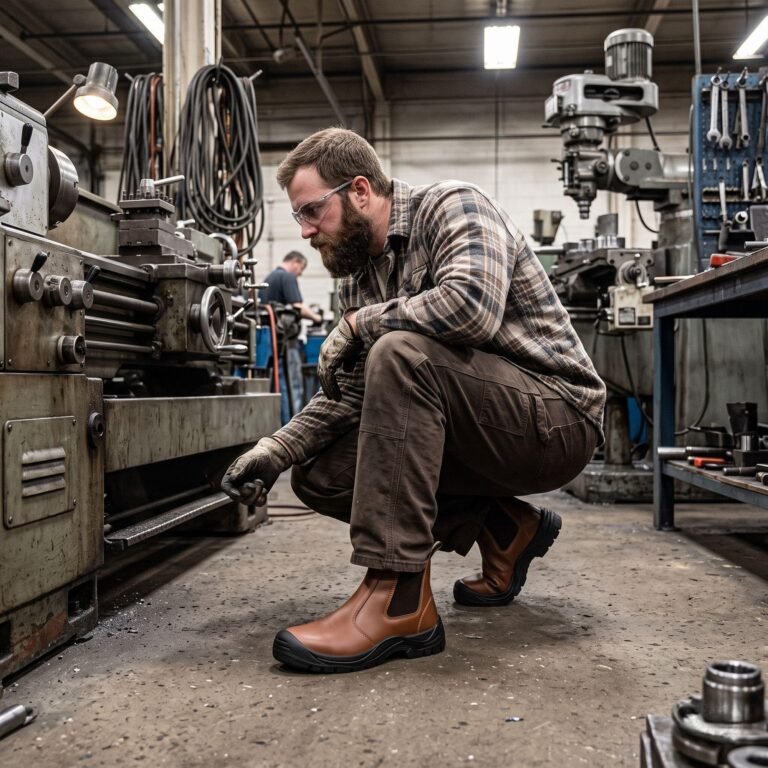
Manufacturing and assembly: Employees who stand at workstations for long periods may benefit from stable support, effective cushioning, and a fit that remains comfortable throughout the shift. Toe protection and other features must match the machinery and materials involved.
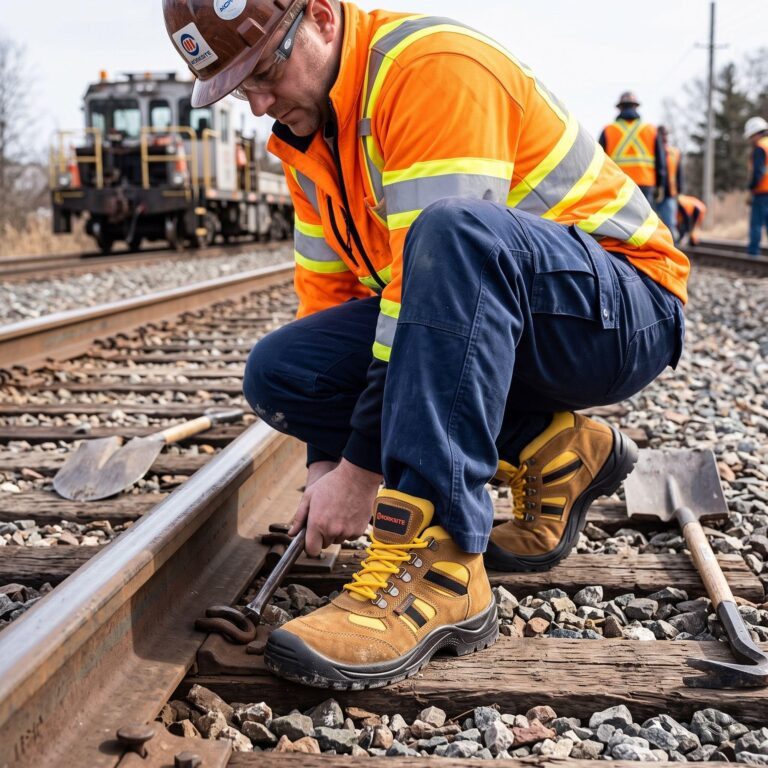
Construction and outdoor work: Footwear may need a more durable upper, secure fit, suitable outsole grip, and protection against puncture or impact hazards. Water resistance and sole performance should be assessed according to the site conditions.
Oil-handling and industrial maintenance: Outsole resistance to relevant oils and chemicals may be important, alongside slip resistance and ease of cleaning. Buyers should verify the manufacturer’s specifications rather than assuming every rubber or PU outsole performs equally.
Hot working environments: Breathable linings and moisture-managing materials can improve wearability, provided the footwear also meets the required heat and other protective specifications.
Before purchasing, employers should identify the workplace hazards and then compare suitable models for fit and comfort. Comfort features cannot replace a formal risk assessment.
Common Mistakes When Evaluating Safety Shoe Comfort
Choosing a Shoe That Is Too Tight
Safety footwear should fit securely, but tightness is not evidence of better protection. Pressure around the toes, instep, or sides of the foot can become increasingly uncomfortable during a long shift. Trying the shoes on with work socks helps identify fit problems before purchase.
Selecting Footwear Based on Softness Alone
A very soft insole may feel pleasant during a short fitting but perform differently after several hours of standing. Cushioning, stability, fit, and durability should be assessed together.
Ignoring the Actual Working Environment
A breathable shoe may not be appropriate for a wet worksite, while a heavy, highly reinforced model may be unnecessary for certain indoor tasks. Buyers should match protective features to documented workplace hazards rather than choosing the same design for every employee.
Assuming All Safety Toe Caps Feel the Same
Steel, aluminum, and composite toe caps differ in material properties, weight, and construction. However, overall comfort also depends on toe-cap shape, internal space, upper design, and shoe sizing. The material alone does not determine whether a shoe will fit comfortably.
Overlooking the Applicable Safety Standard
Comfortable footwear must still meet the safety requirements relevant to its intended use. EN ISO 20345:2022 specifies requirements for safety footwear, including protective toe-cap performance and other applicable protective properties. Additional markings and classifications indicate particular features, depending on the footwear model.
Buyers should review the product’s declaration of conformity, applicable certification or conformity documentation, and technical specifications. They should also verify that the selected protection level matches the workplace risk assessment.
How Can Manufacturers Improve Safety Shoe Comfort?
Manufacturers can improve comfort through coordinated design and production decisions rather than relying on one material or component.
Last design is particularly important because it determines much of the shoe’s internal shape. A well-developed last helps establish toe room, forefoot width, heel fit, and overall proportions. Different sizes and width options may be necessary to accommodate variations in workers’ feet.
Material selection also affects the finished product. Upper materials influence flexibility and moisture management, while midsole and outsole formulations affect cushioning, weight, grip, and durability. These properties must be evaluated together because changes to one component can influence the performance of the entire shoe.
Production consistency matters as well. Variations in molding, bonding, stitching, or assembly may affect fit and durability. Manufacturers should maintain appropriate quality-control procedures and verify that finished footwear meets its specified requirements.
Practical wear trials can provide useful feedback about pressure points, internal temperature, sole flexibility, and comfort after extended use. However, subjective comfort assessments should complement, not replace, laboratory testing and required conformity evaluations.
For safety footwear manufacturers, the objective is to develop shoes that combine appropriate protection with a fit and construction suited to the intended working conditions.
Frequently Asked Questions About Safety Shoe Comfort
What is the most important factor in safety shoe comfort?
Proper fit is a good starting point because it affects toe pressure, heel movement, and friction. Cushioning, weight, breathability, and sole stability also influence comfort, particularly during long shifts.
Are lightweight safety shoes more comfortable?
Lightweight shoes may reduce the effort associated with repeated walking, especially for mobile workers. However, weight should be evaluated alongside protection, stability, durability, and fit. The lightest model is not automatically the most suitable option.
Are composite toe safety shoes more comfortable than steel toe shoes?
Composite toe shoes may offer a weight advantage in some designs and do not conduct heat or cold in the same way as metal toe caps. However, comfort depends on the complete footwear design, including toe-box dimensions, lining, cushioning, and fit. Both types must meet the applicable protective requirements.
How should safety shoes fit?
Safety shoes should hold the heel securely while leaving adequate room for the toes. The forefoot should not feel squeezed, and the foot should not slide excessively inside the shoe. Workers should test the fit while standing and walking in their usual work socks.
Can insoles make safety shoes more comfortable?
Suitable insoles may improve cushioning or fit for some workers. However, replacement insoles can reduce internal space or affect the fit of the protective footwear. Workers should confirm compatibility with the shoe manufacturer and seek professional advice when specific foot-support requirements exist.
How often should safety shoes be replaced?
Replacement depends on wear, damage, working conditions, and the manufacturer’s guidance. Cracked soles, damaged toe-cap areas, separated components, deteriorated cushioning, or loss of required protective performance may indicate that the footwear needs to be removed from service. Inspection frequency should reflect the hazards and intensity of use.
What Makes a Safety Shoe Comfortable?
A comfortable safety shoe combines proper fit, adequate toe room, effective cushioning, manageable weight, suitable breathability, stable support, and an outsole designed for the working environment. These features must work alongside the required protective properties.
For employers and purchasing teams, the practical approach is to identify workplace hazards, select footwear that meets the applicable safety requirements, and evaluate fit and comfort under realistic working conditions. For manufacturers, careful last development, material selection, production control, and product testing help create safety footwear that workers can wear throughout demanding shifts.
Written by Hong Gu Safety Shoes Technical Team, this content is compiled from practical production, long-term field applications, and rigorous testing results.
Shan Dong Hong Gu Shoes Industrial Co., Ltd. is a leading safety footwear manufacturer based in China, specializing in industrial foot protection with over 20 years of manufacturing expertise.
Products are fully certified under European standards (CE EN ISO 20345:2022), offering a full range of manufacturing processes including PU/PU Injection, PU/Rubber, Goodyear Welted, and Rubber Cemented constructions.