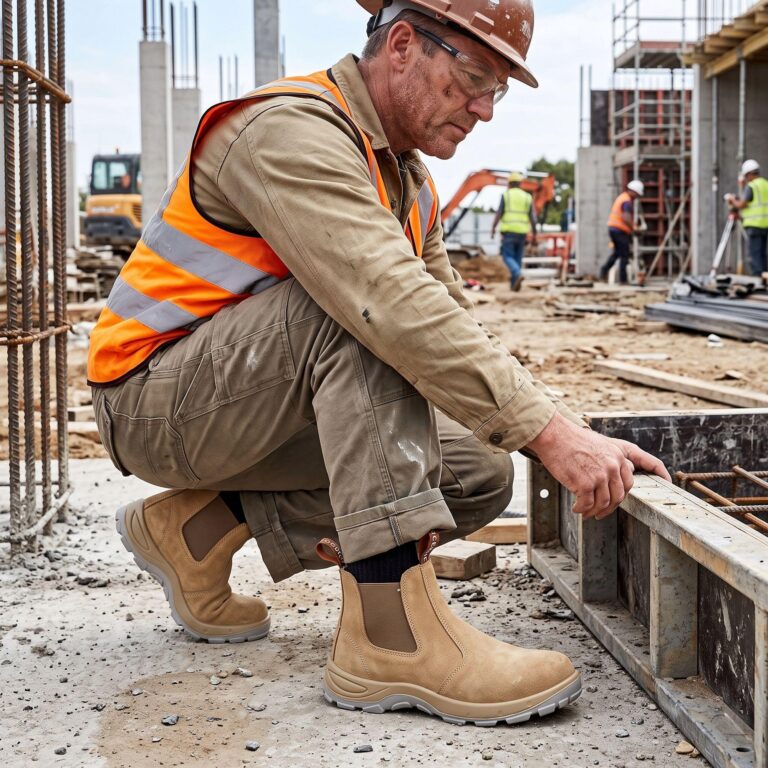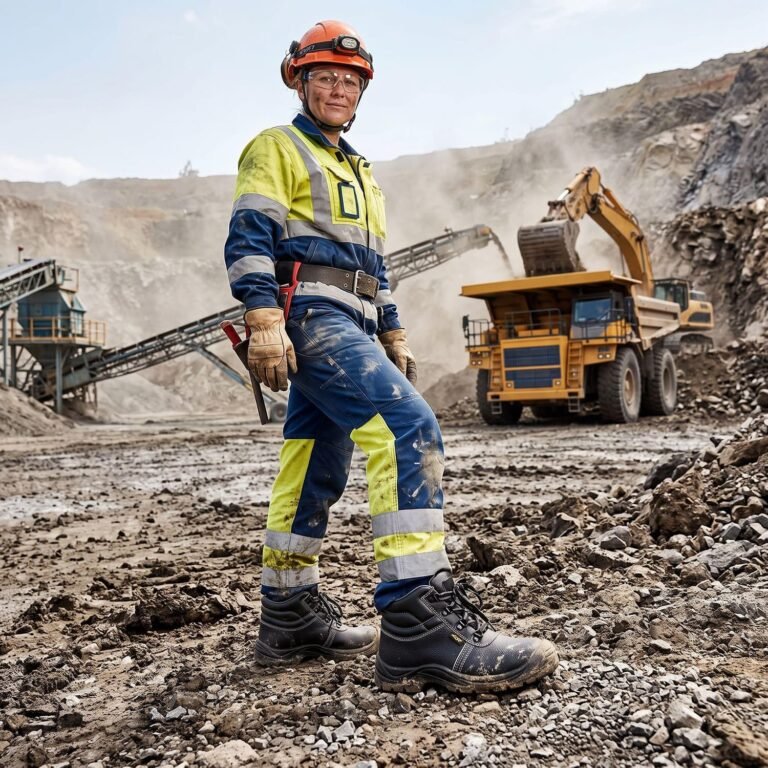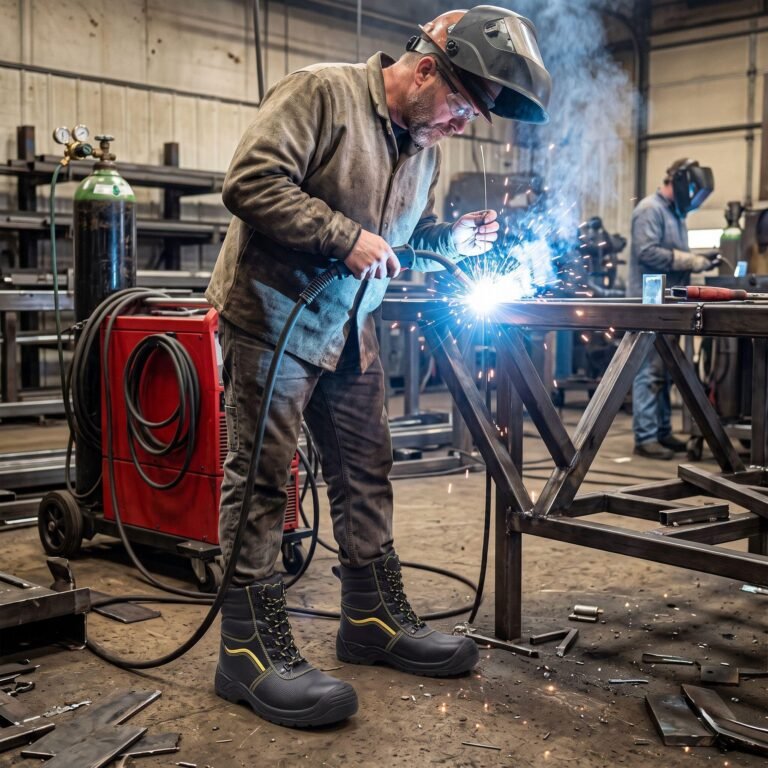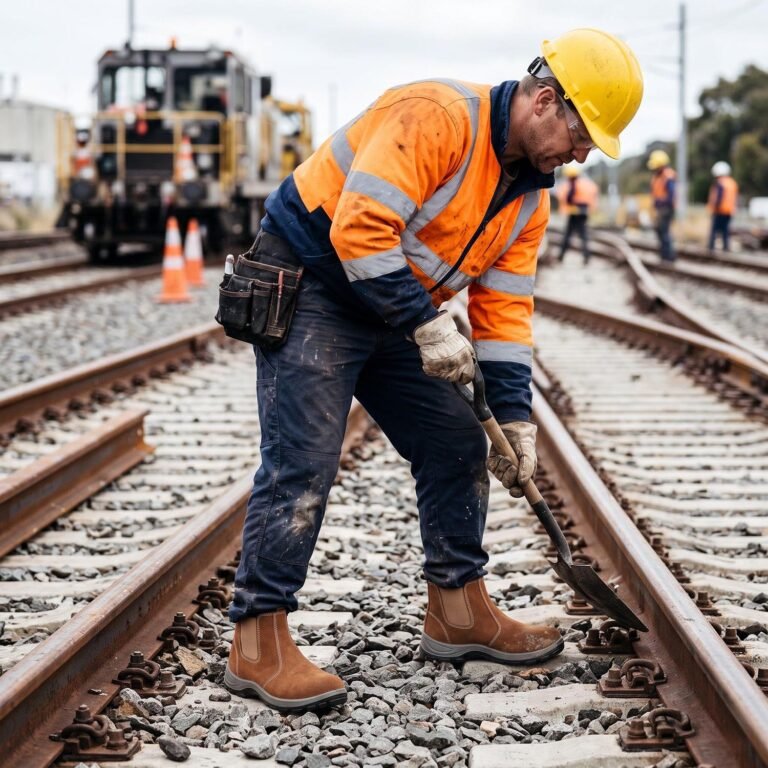
How do safety shoes prevent workplace injuries in factories, construction sites, and warehouses? They protect workers from falling objects, sharp materials, slippery floors, electrical hazards, and extreme temperatures. The right footwear also improves daily comfort and helps reduce work-related foot injuries.
Why Do Workers Need Safety Shoes in Industrial Environments?
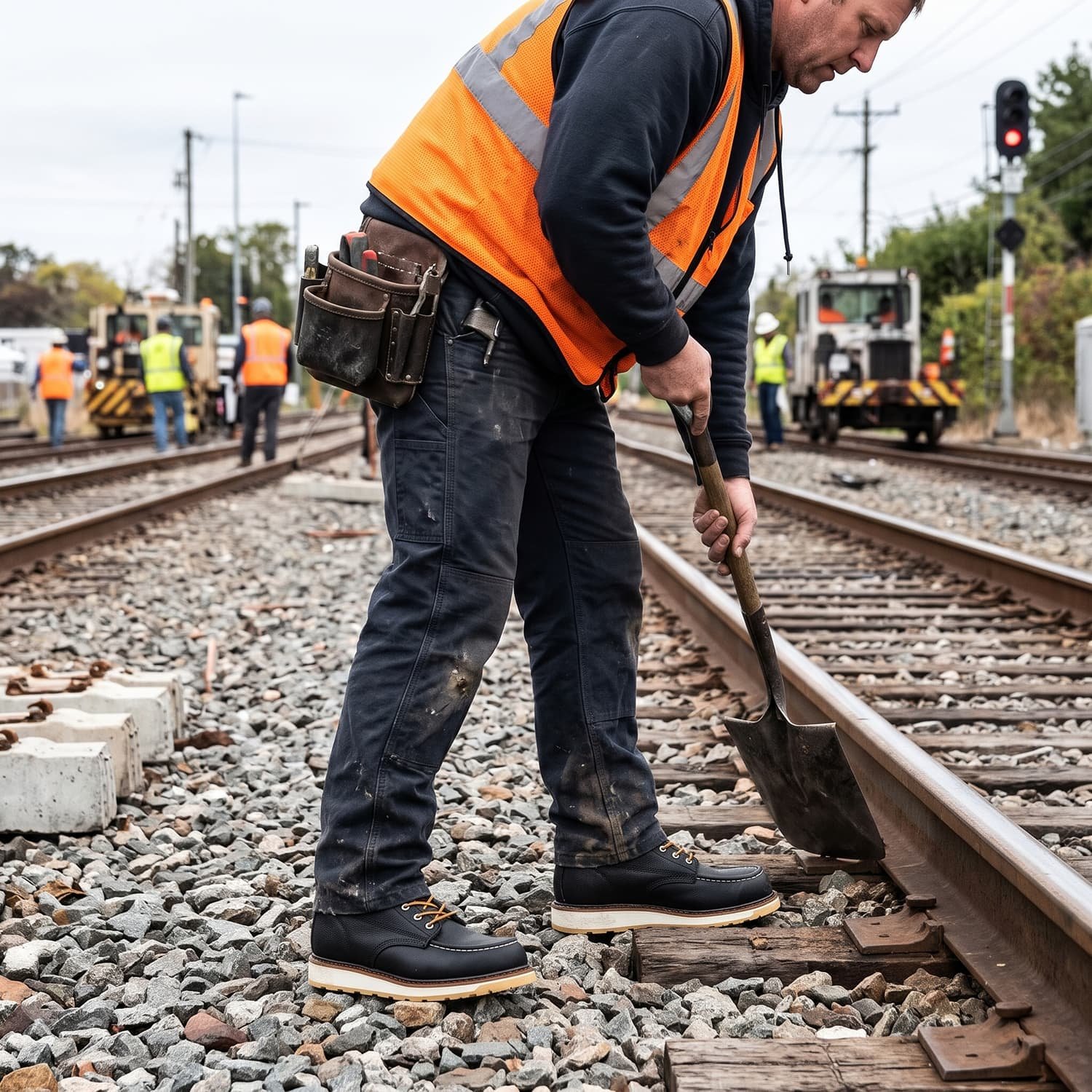
Industrial workplaces expose employees to different foot hazards throughout the day. Construction workers handle heavy materials, while warehouse employees move large packages and operate handling equipment. Meanwhile, factory workers often deal with machinery, metal fragments, and heated surfaces.
Ordinary shoes cannot provide adequate protection against these conditions. In contrast, industrial safety footwear combines reinforced structures with specialized materials to reduce injury risks.
Common workplace hazards include:
- Falling tools, metal parts, and heavy packages that may injure workers’ toes.
- Nails, screws, and sharp fragments that can penetrate ordinary shoe soles.
- Water, oil, and grease that increase the risk of slipping.
- Electrical equipment that creates shock or electrostatic discharge hazards.
- Hot surfaces and sparks that may damage footwear.
- Industrial chemicals that can affect footwear materials and expose workers’ feet.
Therefore, employers should assess workplace conditions before choosing safety footwear. A suitable product must address the actual hazards rather than simply meet general purchasing requirements.
How Do Safety Shoes Prevent Different Types of Workplace Injuries?
Different safety shoe components provide protection against specific hazards. Understanding these features helps industrial buyers select suitable footwear for their employees.
1. Protective Toe Caps Reduce Impact Injuries
Falling tools, metal components, and heavy packages can cause serious toe injuries. To reduce this risk, safety shoes incorporate reinforced toe caps that create a protective barrier around the front of the foot.
Manufacturers generally use three types of toe cap materials:
- Steel: Provides strong impact and compression resistance, making it suitable for demanding industrial environments.
- Composite: Uses non-metallic materials and generally weighs less than steel.
- Aluminum: Offers a lighter metallic alternative while maintaining protective performance under applicable testing requirements.
Under EN ISO 20345:2022, safety footwear with standard protective toe caps must meet specific impact and compression requirements:
- Impact resistance: 200 joules.
- Compression resistance: 15 kN.
These requirements help protect workers in construction, manufacturing, warehousing, and material handling operations. However, buyers should also consider footwear weight, comfort, and the specific working environment when selecting toe cap materials.
2. Puncture-Resistant Midsoles Protect Against Sharp Objects
Nails, screws, broken glass, and metal fragments can penetrate ordinary shoe soles. Consequently, workers may suffer puncture wounds, infections, and mobility problems.
Safety footwear addresses this risk through penetration-resistant midsoles. Manufacturers commonly choose between two material types.
Steel penetration-resistant plates
Steel plates provide strong resistance against sharp objects. For this reason, many industrial buyers consider them for construction, recycling, and metalworking environments.
Non-metallic penetration-resistant inserts
Textile inserts offer greater flexibility and generally reduce footwear weight. In addition, some designs cover a larger portion of the sole than traditional metal plates.
EN ISO 20345:2022 includes different penetration-resistance requirements. The P, PL, and PS markings identify relevant protection types and testing conditions.
Therefore, buyers should check the product’s technical documentation rather than assume that every safety shoe contains a puncture-resistant midsole.
3. Slip-Resistant Outsoles Reduce Falling Accidents
Wet floors, oil spills, grease, and industrial dust can reduce friction between footwear and the ground. As a result, workers may lose their balance while walking, turning, or carrying heavy materials.
To improve traction, manufacturers develop outsoles with specific rubber or PU formulations and tread patterns.
Several factors influence slip resistance:
- Rubber or PU outsole formulation.
- Tread depth and pattern.
- Contact area between the outsole and floor.
- Surface conditions.
- Material wear after repeated use.
PU outsoles provide lightweight cushioning and flexibility. Meanwhile, rubber outsoles offer useful durability and heat resistance, depending on their formulation.
Under EN ISO 20345:2022, manufacturers assess slip resistance through standardized tests. The SR marking indicates additional slip resistance under the applicable test conditions.
However, even high-performance outsoles cannot eliminate every slipping hazard. Workers should keep floors clean, follow workplace safety procedures, and replace footwear when excessive wear reduces traction.
4. Specialized Footwear Addresses Electrical Risks
Electrical hazards require careful footwear selection. In particular, buyers must understand the difference between antistatic footwear and electrically insulating footwear.
Antistatic safety shoes
Antistatic footwear helps control electrostatic charge accumulation. Its electrical resistance allows charge to dissipate under specified conditions.
Manufacturing plants, electronics facilities, and other controlled environments often require this feature to reduce electrostatic discharge risks.
However, antistatic shoes do not protect workers against electric shock from contact with live electrical conductors.
Electrically insulating safety footwear
Electrically insulating footwear addresses specific electrical hazards when workers follow the relevant testing and application requirements.
Therefore, employers should evaluate voltage exposure, workplace conditions, and applicable electrical safety standards before purchasing these products.
Confusing antistatic protection with electrical insulation can create serious safety risks. These two functions serve different purposes and require separate assessments.
5. Heat-Resistant Materials Help Protect Workers
Foundries, steel plants, welding workshops, and other industrial facilities expose employees to hot surfaces, sparks, and high temperatures.
For these environments, manufacturers may combine several protective features:
- Heat-resistant rubber outsoles.
- Durable upper materials.
- Reinforced toe caps.
- Heat-resistant construction materials.
- Suitable closures that limit the entry of sparks and debris.
EN ISO 20345:2022 includes specific heat-related classifications:
- HI: Indicates heat insulation of the footwear sole complex.
- HRO: Indicates resistance of the outsole to contact heat.
- CI: Indicates cold insulation.
Each marking represents a different performance characteristic. Consequently, employers should match footwear specifications to actual working temperatures and exposure conditions.
6. Chemical-Resistant Footwear Limits Material Damage
Chemical plants, cleaning facilities, and industrial processing environments may expose workers to oils, fuels, acids, alkalis, and cleaning agents.
Certain safety shoes use specialized rubber compounds, protective coatings, and chemical-resistant materials to reduce exposure. Nevertheless, no single footwear material resists every chemical.
For example, PU, rubber, leather, and synthetic materials have different chemical resistance characteristics. Buyers should identify the chemicals in their workplaces and review the manufacturer’s technical data before selecting footwear.
In particularly hazardous environments, workers may need specialized chemical protective boots instead of conventional safety shoes.
Which Safety Shoes Should Different Industries Choose?
Different working environments require different combinations of protective features. Therefore, employers should focus on actual workplace hazards rather than choose footwear based on appearance alone.
| Working Environment | Recommended Safety Features |
|---|---|
| Construction sites | Protective toe caps, puncture-resistant midsoles, slip-resistant outsoles |
| Warehouses | Impact protection, slip resistance, lightweight construction |
| Metalworking factories | Toe protection, puncture resistance, heat-resistant outsoles where necessary |
| Electrical maintenance | Appropriate electrical protection based on risk assessment |
| Food processing | Slip-resistant outsoles, suitable water resistance |
| Chemical facilities | Materials compatible with specific chemicals |
| Welding workshops | Heat-resistant outsoles, protective toe caps, suitable upper materials |
For industrial importers and buyers, product specifications should clearly identify the required protection level, materials, outsole construction, and certification information.
Furthermore, clear technical specifications help manufacturers select appropriate production methods and components. This reduces misunderstandings during product development and purchasing.
What Safety Standards Should Buyers Understand?
Safety standards help buyers evaluate footwear performance and compare different product specifications.
For European markets, EN ISO 20345:2022 establishes requirements for safety footwear, including protective toe caps and additional protective features.
The main classifications include:
| Classification | Main Requirements |
|---|---|
| SB | Basic safety footwear requirements |
| S1 | Additional requirements including closed-seat construction, antistatic properties, and heel energy absorption |
| S2 | S1 requirements plus water penetration and absorption resistance of the upper |
| S3 | S2 requirements plus penetration-resistant features and cleated outsole requirements |
| S6 | S2 requirements plus water resistance of the complete footwear |
| S7 | S3 requirements plus water resistance of the complete footwear |
Additional markings identify specific protective properties:
- P: Penetration resistance.
- PL: Non-metallic penetration resistance under applicable test conditions.
- PS: Non-metallic penetration resistance under another specified test condition.
- FO: Fuel oil resistance of the outsole.
- HRO: Outsole resistance to contact heat.
- HI: Heat insulation.
- CI: Cold insulation.
- SR: Additional slip resistance.
However, buyers should not rely on product markings alone. They should also examine the declaration of conformity, certification information, and technical documentation before placing an order.
A particular safety classification does not mean that footwear protects against every possible workplace hazard. Instead, each marking identifies specific requirements and tested performance characteristics.
Common Mistakes When Buying Safety Shoes
Selecting unsuitable safety footwear can leave workers exposed to unnecessary risks. Buyers should pay attention to several common mistakes during product selection.
Choosing footwear only by toe cap material
A steel toe cap provides impact and compression protection. However, it does not automatically offer puncture resistance, electrical protection, or chemical resistance. Buyers should evaluate the complete footwear specification.
Confusing antistatic and insulating properties
Antistatic footwear controls electrostatic charge, whereas electrically insulating footwear addresses specific electrical shock hazards. Therefore, employers must identify the correct requirement before purchasing.
Ignoring outsole wear
Regular use gradually wears down outsole patterns. Consequently, damaged or excessively worn soles may reduce traction and increase the risk of slipping.
Overlooking workplace chemicals
A shoe that performs well in a warehouse may not suit a chemical processing facility. Before purchasing, buyers should confirm material compatibility with the substances workers handle.
Prioritizing price over fit
Uncomfortable shoes can cause fatigue, blisters, and reduced mobility. For this reason, employers should consider shoe weight, toe space, heel stability, cushioning, and sizing during product evaluation.
How Can Employers Maintain Effective Foot Protection?
Choosing suitable safety footwear is only the beginning. Employers also need a consistent inspection and maintenance process.
Workers should inspect their shoes regularly and look for:
- Cracked or damaged outsoles.
- Exposed or damaged toe caps.
- Broken stitching.
- Worn penetration-resistant components.
- Damaged closures.
- Signs of chemical deterioration.
If damage affects protective performance, employers should arrange timely replacement. In addition, workers need clear instructions on proper footwear use, cleaning, and storage.
Regular inspections help identify problems before they lead to injuries. Meanwhile, suitable replacement schedules help maintain reliable foot protection throughout daily operations.
Frequently Asked Questions
How do safety shoes prevent workplace injuries?
Safety shoes reduce foot injury risks through protective toe caps, puncture-resistant midsoles, slip-resistant outsoles, and specialized materials. Each feature addresses different workplace hazards.
Do safety shoes prevent all foot injuries?
No. Safety shoes reduce specific risks but cannot eliminate every workplace injury. Correct selection, proper fit, regular inspection, and safe working practices remain essential.
Are steel toe caps safer than composite toe caps?
Both materials can meet EN ISO 20345 impact and compression requirements. Steel offers strong mechanical protection, while composite materials generally weigh less and avoid metallic conductivity. The right choice depends on workplace requirements.
Can safety shoes protect workers from electric shock?
Only footwear designed and tested for relevant electrical hazards can provide electrical insulation. Antistatic shoes control electrostatic charge but do not replace electrically insulating footwear.
How long do industrial safety shoes last?
Service life depends on working conditions, usage frequency, materials, and maintenance. Therefore, workers should inspect footwear regularly and replace it when damage compromises protection.
Which safety shoes should construction workers choose?
Construction workers commonly need protective toe caps, penetration-resistant midsoles, and slip-resistant outsoles. However, employers should assess additional risks such as heat, electrical exposure, and chemical contact before choosing the final specification.
How Do Safety Shoes Improve Workplace Safety?
Safety shoes prevent or reduce workplace foot injuries by combining impact protection, puncture resistance, slip resistance, and specialized protection against environmental hazards. Employers should select footwear according to workplace risks and applicable standards, particularly EN ISO 20345:2022 for European safety footwear. In addition, correct sizing, routine inspection, and timely replacement help maintain protection throughout the product’s service life.
Written by Hong Gu Safety Shoes Technical Team, this content is compiled from practical production, long-term field applications, and rigorous testing results.
Shan Dong Hong Gu Shoes Industrial Co., Ltd. is a leading safety footwear manufacturer based in China, specializing in industrial foot protection with over 20 years of manufacturing expertise.
Products are fully certified under European standards (CE EN ISO 20345:2022), offering a full range of manufacturing processes including PU/PU Injection, PU/Rubber, Goodyear Welted, and Rubber Cemented constructions.