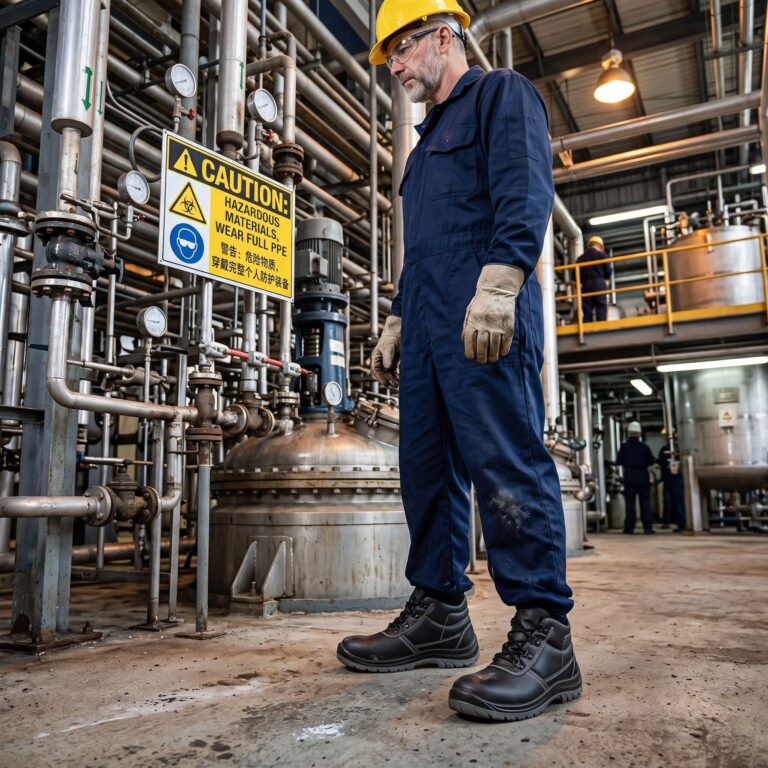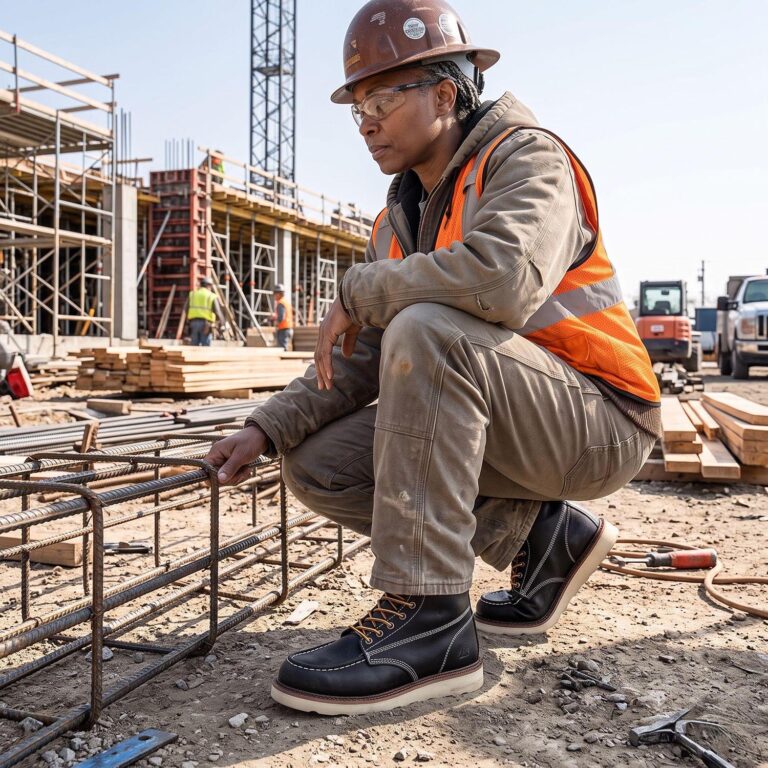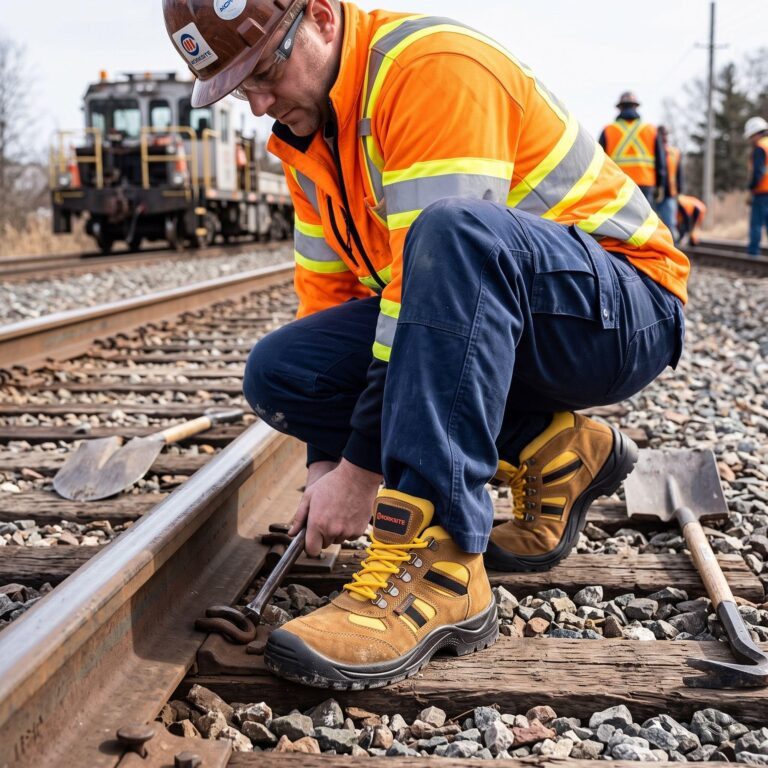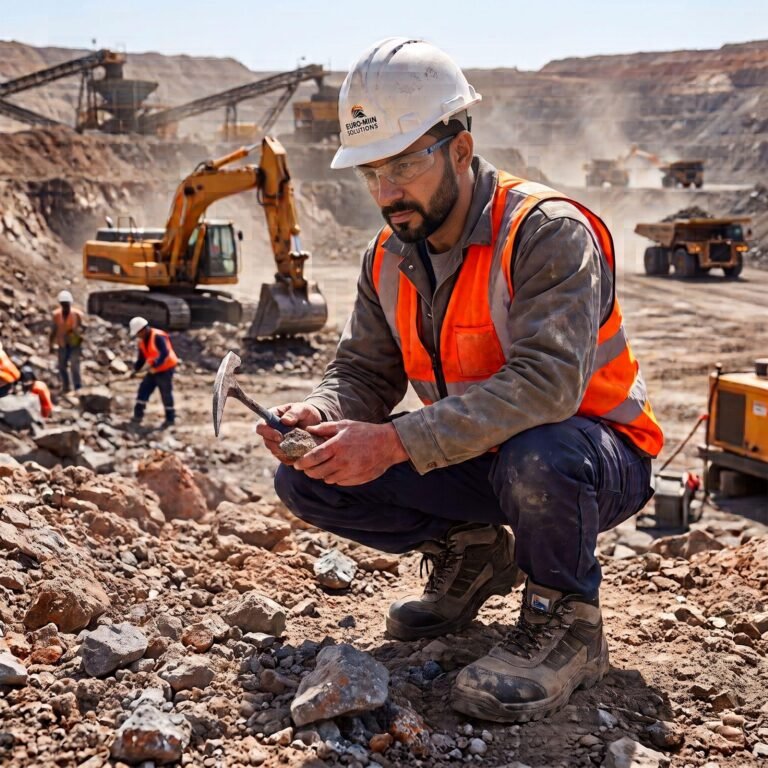
This Safety Shoe Selection Guide helps procurement teams choose suitable safety footwear by evaluating workplace hazards, applicable safety standards, wearing comfort, product durability, and total purchasing costs. A structured selection process helps businesses meet workplace safety requirements while avoiding unsuitable purchases and unnecessary replacement expenses.
Why Safety Shoe Selection Matters for Industrial Procurement
Safety footwear plays an important role in protecting workers in manufacturing plants, construction sites, warehouses, logistics centers, and other industrial environments. However, different workplaces expose workers to different hazards. A shoe designed for impact protection may not provide adequate insulation against electrical hazards or sufficient resistance to certain chemicals.
Procurement teams often face several challenges when sourcing industrial safety shoes. These include interpreting technical specifications, confirming certification documents, comparing different construction methods, and evaluating whether a product is suitable for its intended working environment.
Price comparisons can also be misleading. Two pairs of safety shoes may look similar but differ significantly in outsole performance, material quality, puncture resistance, moisture management, and expected service life.
A practical safety shoe selection guide should therefore begin with workplace risk assessment rather than product appearance or unit price.
How to Choose Safety Shoes for Different Workplace Hazards
1. Identify the Main Workplace Risks
Before requesting quotations from safety footwear manufacturers, procurement teams should identify the hazards workers encounter during normal operations and foreseeable incidents.
Common workplace hazards include:
- Impact and compression: Falling objects, heavy materials, and equipment can injure the toes. Protective toe caps are designed to address specified impact and compression risks.
- Puncture hazards: Nails, metal fragments, and sharp debris may penetrate the sole. Footwear with an appropriate puncture-resistant insert can help reduce this risk.
- Slippery surfaces: Oil, water, cleaning agents, and other substances can reduce traction. Outsole selection should reflect the actual floor conditions.
- Electrical hazards: Workers may require footwear with specific electrical insulation or electrostatic properties, depending on the task and workplace risk assessment.
- Chemical exposure: Some workplaces require footwear materials that resist particular chemicals. Compatibility must be assessed against the substances, concentrations, contact duration, and exposure conditions involved.
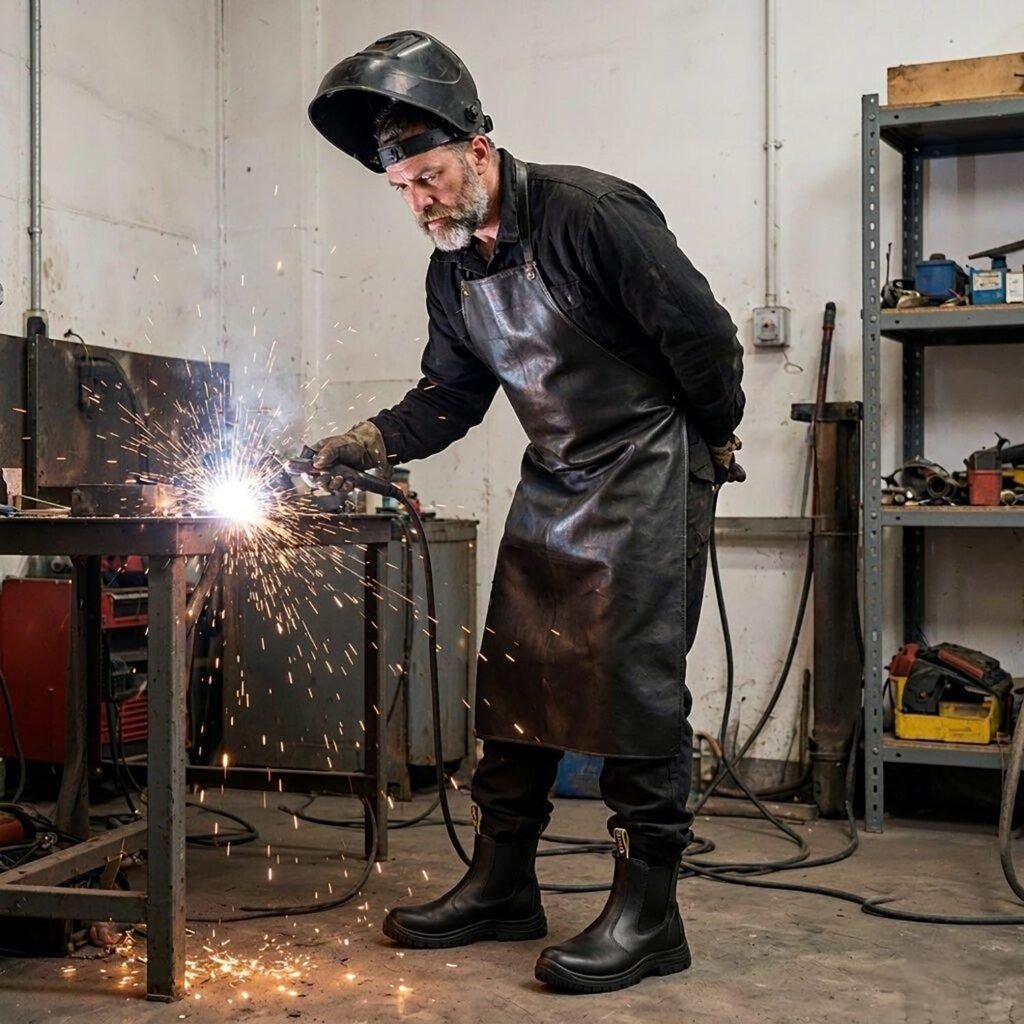
- Heat and hot surfaces: Foundries, welding operations, and certain manufacturing processes may require footwear with specific heat-resistant properties.
- Extended standing and walking: Warehousing, assembly, and distribution work place additional demands on cushioning, fit, stability, and overall comfort.
One safety shoe model may address several hazards, but procurement teams should not assume that a single product is suitable for every department.
2. Check the Applicable Safety Standards
Safety shoe certification is a critical part of supplier evaluation. Procurement teams should confirm which standards apply in the destination market and whether the selected product meets the required protection category.
In Europe, EN ISO 20345:2022 specifies requirements for safety footwear, including protective toe caps designed to withstand a defined impact energy of 200 joules and a compression force of 15 kN under the applicable test conditions. Additional markings identify supplementary protective properties.
Depending on the product and its tested configuration, relevant features may include:
- S1 and S1P: Common classifications for certain indoor or relatively dry working environments. The precise requirements differ by classification and edition of the standard.
- S2: Includes specified water penetration and water absorption requirements for the upper.
- S3: Includes additional sole-related requirements, including puncture resistance and cleated outsole characteristics, as specified by the applicable edition.
- S6 and S7: Include water resistance requirements for the complete footwear under the applicable classification. Additional requirements distinguish the categories.
These classifications should not replace a detailed review of the product’s declaration of conformity, certification documentation where applicable, and markings.
For the United States, procurement teams may need to evaluate footwear against ASTM F2413, depending on the applicable workplace requirements. OSHA workplace rules may also affect footwear selection. Compliance should be assessed against the relevant regulatory requirements rather than inferred from a product description alone.
Buyers should request documentation that identifies the exact model, applicable standard edition, protective features, and relevant conformity information. A certificate or test report for one model should not automatically be accepted as evidence for a different model.
3. Evaluate Toe Protection and Puncture Resistance
Protective toe caps are commonly made from steel, aluminum, or non-metallic composite materials. Each option has different characteristics.
Steel toe caps provide robust impact protection and are widely used in industrial footwear. Aluminum alternatives can reduce weight while maintaining the required protection when properly designed and tested. Composite toe caps are non-metallic and may be useful where metal-free footwear is required.
However, material choice alone does not determine safety performance. The toe cap must meet the applicable testing requirements as part of the finished footwear.
Puncture resistance requires a separate assessment. Procurement teams should establish whether the workplace presents a realistic risk of sharp objects penetrating the outsole. Where puncture protection is required, buyers should verify the relevant test results and understand the type of protective insert used.
The distinction between toe protection and puncture resistance is important: a safety shoe with a protective toe cap does not automatically have a puncture-resistant sole.
4. Compare Outsole Materials and Construction Methods
The outsole affects grip, abrasion resistance, flexibility, and performance under specific working conditions. Its suitability depends on both the material and the manufacturing process.
PU/PU injection construction uses polyurethane for the outsole and midsole. It can provide cushioning and relatively low weight, making it suitable for many manufacturing and general industrial applications. Performance varies according to formulation, density, and design.
PU/Rubber construction combines polyurethane with rubber. Depending on the formulation, it can provide a balance of cushioning, abrasion resistance, and resistance to elevated temperatures.
Goodyear welted construction attaches the upper and sole through a welt-based assembly method. It is often selected for particular heavy-duty footwear designs where the construction and intended maintenance approach suit the application.
Rubber cemented construction uses adhesive to attach the sole. Its performance depends on the rubber compound, adhesive system, surface preparation, and manufacturing quality.
Procurement teams should compare these options against actual working conditions instead of treating one construction method as universally superior. Relevant evidence may include slip-resistance testing, abrasion results, outsole bonding performance, and resistance to the substances encountered at work.
5. Assess Comfort, Fit, and Expected Service Life
Comfort influences whether workers can wear safety footwear consistently throughout a shift. Poor fit may contribute to pressure points, blisters, fatigue, and reduced acceptance of required protective equipment.
When evaluating safety shoes, consider:
- Available sizes and width options.
- Toe box space and heel stability.
- Cushioning and arch support appropriate to the intended wearer.
- Breathability and moisture management.
- Overall footwear weight.
- Flexibility during repeated walking, kneeling, and climbing.
- Ease of cleaning and maintenance.
For large orders, requesting samples for wear trials can help identify problems before full-scale purchasing. Feedback should be collected from workers performing the actual tasks for which the footwear is intended.
Durability should also be evaluated using practical evidence. Inspect outsole wear, upper material damage, seam strength, sole bonding, and the condition of protective components after representative use.
Safety footwear does not have one universal replacement interval. Replacement should follow workplace procedures, manufacturer instructions, inspection findings, and any applicable requirements. Damaged footwear should be removed from service when its protective performance may be compromised.
A Procurement Checklist for Comparing Safety Footwear Suppliers
A structured evaluation makes quotations easier to compare and reduces the risk of purchasing unsuitable products.
| Evaluation item | What procurement teams should verify |
|---|---|
| Workplace suitability | Identified hazards and required protective features |
| Standards and conformity | Applicable standard, edition, markings, and supporting documentation |
| Toe protection | Required impact and compression performance |
| Puncture protection | Whether protection is required and which tested configuration is supplied |
| Slip resistance | Suitability for the actual floor surface and contaminants |
| Outsole performance | Abrasion, heat, chemical, or other relevant properties |
| Fit and comfort | Size range, width, weight, and wear-trial feedback |
| Product consistency | Model identification, specifications, and quality-control procedures |
| Order capacity | Production lead time, minimum order quantity, and repeat-order capability |
| Total purchasing cost | Unit price, freight, expected service life, and replacement needs |
Procurement teams should also clarify whether the supplier can maintain consistent specifications across repeat orders. Changes to materials, components, or construction may affect performance and should be managed through an agreed approval process.
Common Mistakes to Avoid When Buying Safety Shoes
Choosing by Price Alone
A lower unit price does not necessarily mean a lower total cost. Frequent replacements, inconsistent sizing, premature outsole failure, and poor worker acceptance can increase overall expenditure. Compare price alongside documented performance, expected service life, and supply reliability.
Assuming All Safety Shoes Have the Same Protection
Protective toe caps, puncture-resistant inserts, slip-resistant outsoles, electrical properties, and chemical resistance address different risks. Buyers should check the exact properties required instead of relying on a general safety shoe label.
Treating Marketing Claims as Certification Evidence
Descriptions such as “industrial grade,” “heavy duty,” or “anti-slip” do not establish compliance by themselves. Request applicable technical documents, product markings, and supporting test evidence.
Overlooking the Destination Market
A product accepted for one market or workplace may not meet another market’s requirements. Procurement teams should confirm applicable regulations and standards before placing an order, especially for cross-border purchasing.
Ignoring Worker Feedback
A technically compliant product may still be unsuitable if its fit or weight makes it difficult to wear throughout a shift. Representative wear trials help procurement teams evaluate practical suitability alongside formal test results.
Frequently Asked Questions About Safety Shoe Procurement
What should procurement teams check first when buying safety shoes?
Start with a workplace risk assessment. Identify impact, compression, puncture, slip, electrical, chemical, heat, and comfort requirements as relevant. Then determine the applicable standards and request products with documentation supporting the required protection.
Are steel toe safety shoes better than composite toe safety shoes?
Neither material is universally better. Both can provide the required toe protection when the finished footwear meets the applicable standard. Steel may suit many general industrial applications, while composite materials can be useful where non-metallic footwear is needed. Weight, fit, workplace conditions, and product test results should guide the decision.
How can buyers verify a safety shoe manufacturer’s reliability?
Review applicable certification and conformity documents, confirm that the documents match the exact model, request technical specifications, and assess quality-control procedures. Sample inspections, wear trials, production capacity checks, and repeat-order consistency can provide additional evidence.
How should companies calculate the cost of safety footwear?
Consider more than the purchase price. Relevant costs include freight, inspection, storage, replacement frequency, fit-related complaints, and the administrative effort required to manage different models. A suitable product that lasts longer in its intended environment may offer better value, provided it continues to meet the required protection criteria.
Making a Better Safety Footwear Purchasing Decision
The right safety shoe is the one that matches the identified workplace hazards, meets the applicable standards, fits the wearer, and performs reliably under actual working conditions. Procurement teams should verify technical documentation, compare construction and materials, involve workers in sample evaluations, and assess total purchasing cost rather than relying on appearance or price alone.
A documented selection process helps businesses purchase safety footwear with greater confidence and maintain consistent specifications across departments, suppliers, and repeat orders.
Written by Hong Gu Safety Shoes Technical Team, this content is compiled from practical production, long-term field applications, and rigorous testing results.
Shan Dong Hong Gu Shoes Industrial Co., Ltd. is a leading safety footwear manufacturer based in China, specializing in industrial foot protection with over 20 years of manufacturing expertise.
Products are fully certified under European standards (CE EN ISO 20345:2022), offering a full range of manufacturing processes including PU/PU Injection, PU/Rubber, Goodyear Welted, and Rubber Cemented constructions.