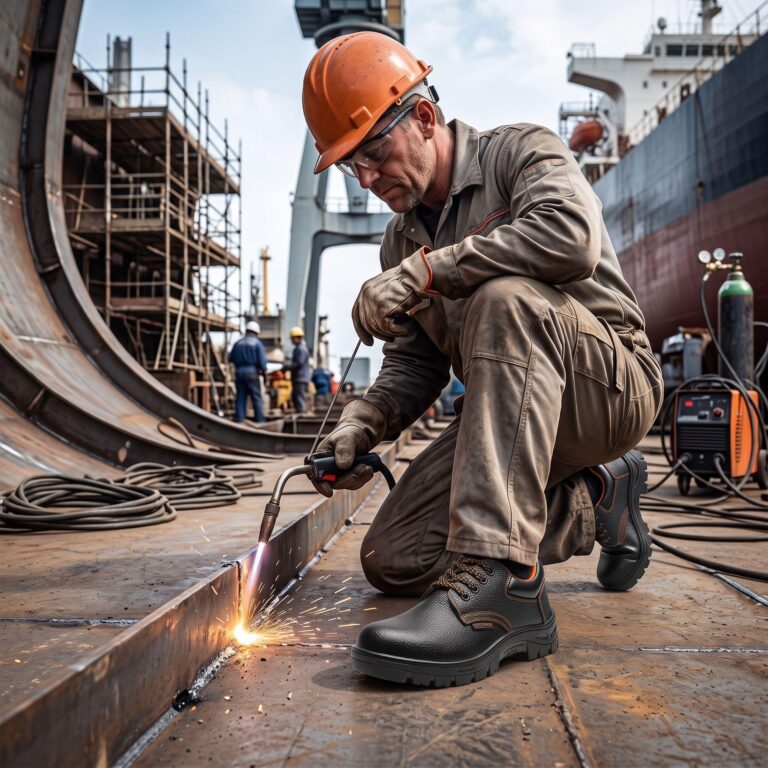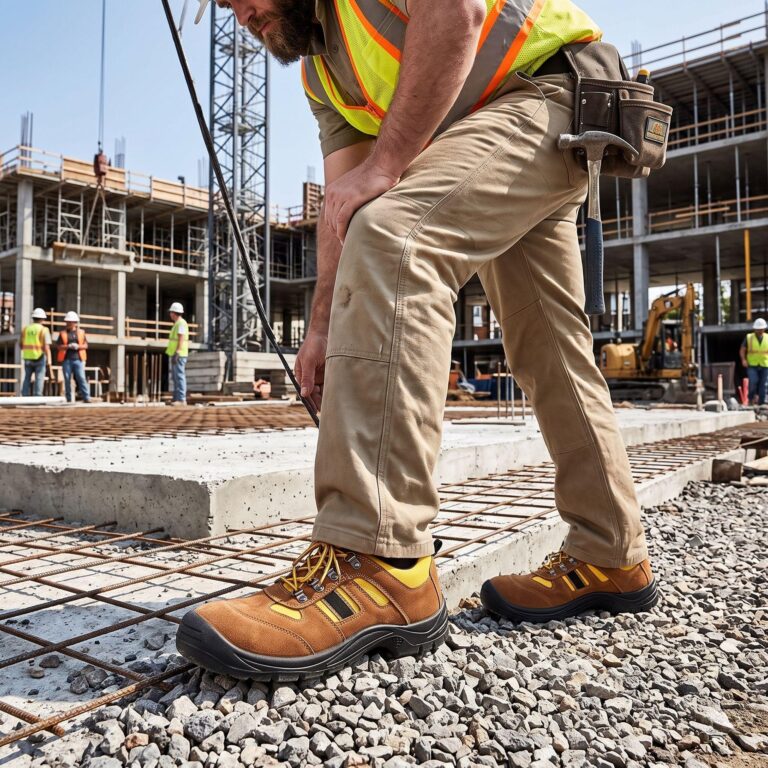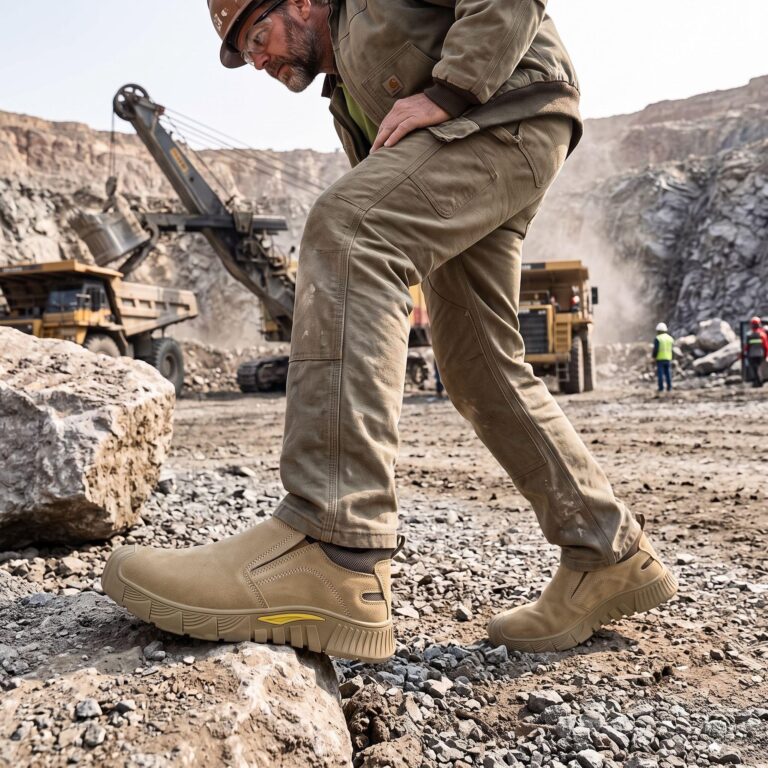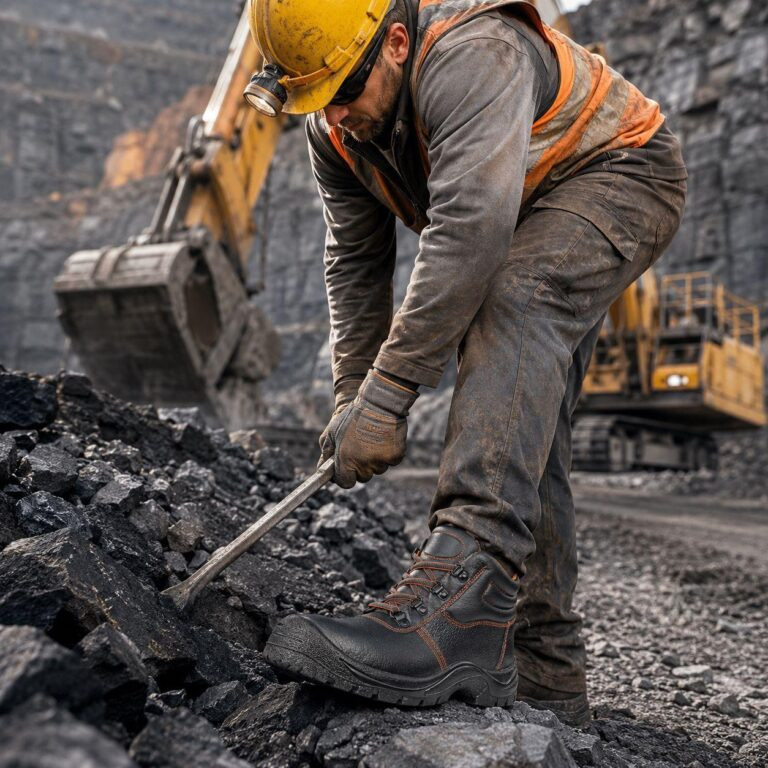

Procurement managers often stare at a safety shoe’s tongue label, confused by strings of letters like “M/I/C/EH” required by the ASTM F2413 standard. Buying the wrong specification doesn’t just waste budget—it directly exposes workers to severe workplace hazards. Let’s decode exactly what these markings mandate.
Navigating North American Workplace Safety Requirements
For decades, industrial safety in the United States relied on older benchmarks, but the shift to ASTM F2413 established a much stricter, performance-based testing protocol for protective toe footwear. If a facility operates under OSHA regulations, the footwear worn on the floor must comply with this specific standard.
However, simply asking a supplier for “ASTM compliant shoes” is not enough. The standard acts as a menu of specific protective features. Without understanding how to read the required test performance codes, purchasing departments often authorize footwear that looks robust but lacks the exact hazard resistance required for their unique operating environment, whether that is a heavy manufacturing floor, a commercial construction site, or a high-voltage utility plant.
Decoding the Label: A Step-by-Step Parameter Guide
Every ASTM F2413 certified safety shoe must feature a legible label, usually found on the inside tongue or quarter lining. This label follows a strict, multi-line formatting protocol. Here is how to break down the technical parameters for your procurement needs:
Line 1: Standard Verification You will see a designation like “ASTM F2413-18.” The “18” denotes the year of the standard revision (in this case, 2018). Ensure your manufacturing partner is testing footwear to the most current regulatory revision.
Line 2: Baseline Protection This line dictates user gender and core physical defense. “M/I/C” indicates Male footwear. “I/75” confirms the toe cap withstands a 75 foot-pound impact. “C/75” verifies it resists a 2,500-pound compression load. Whether the toe cap is made from forged steel, aluminum, or composite material, it must pass these exact same physical drop and crush tests in the laboratory.
Line 3 and Beyond: Specialized Defenses This is where precise application matching happens. Buyers must select features based on their facility’s hazard assessment:
- EH (Electrical Hazard): Built with non-conductive materials in the outsole and heel to isolate the wearer from the ground. This provides a secondary source of protection against accidental contact with live electrical circuits.
- SD (Static Dissipating): Conducts static electricity through the sole into the ground. This is a critical requirement for electronics manufacturing or environments with volatile chemicals where a static spark could trigger an ignition.
- PR (Puncture Resistant): Incorporates a flexible steel or tightly woven fabric plate in the midsole to prevent sharp objects like nails or scrap metal from piercing the foot. This is a non-negotiable parameter for demolition and framing sites.
Common Pitfalls in Procuring Protective Footwear
Even experienced industrial buyers can make critical errors when interpreting footwear specifications. The most frequent and dangerous mistake in the field is confusing EH and SD ratings. Electrical Hazard (EH) shoes are explicitly designed to stop the flow of electricity to protect against electrocution. Static Dissipating (SD) shoes are designed to let static electricity flow through safely to protect sensitive equipment. Wearing an SD shoe in a high-voltage scenario compromises safety entirely.
Another persistent myth on the factory floor is that composite safety toes are inherently weaker than steel toes. From a regulatory and testing standpoint, a composite toe cap rated at I/75 offers the exact same impact defense as a steel toe rated at I/75. The choice between the two should be based on secondary factors like weight preferences, thermal insulation needs in cold environments, or the presence of metal detectors in the facility, rather than assumptions about structural integrity.
The Bottom Line on ASTM F2413 Compliance
ASTM F2413 is the benchmark specification for protective footwear in the United States. To ensure OSHA compliance and worker safety, buyers must verify three core elements on the footwear label: the standard year revision (such as ASTM F2413-18), the baseline impact and compression ratings (I/75 and C/75), and the task-specific hazard protections required for their site, such as EH for electrical isolation or PR for puncture resistance. Matching these specific alphanumeric codes directly to a facility’s documented hazard assessment is the only secure way to procure functional safety shoes.
Written by Hong Gu Safety Shoes Technical Team, this content is compiled from practical production, long-term field applications, and rigorous testing results.
Shan Dong Hong Gu Shoes Industrial Co., Ltd. is a leading safety footwear manufacturer based in China, specializing in industrial foot protection with over 20 years of manufacturing expertise. Products are fully certified under European standards (CE EN ISO 20345:2022), offering a full range of manufacturing processes including PU/PU Injection, PU/Rubber, Goodyear Welted, and Rubber Cemented constructions.